Osaka's band scene has a heat all its own, different from Tokyo
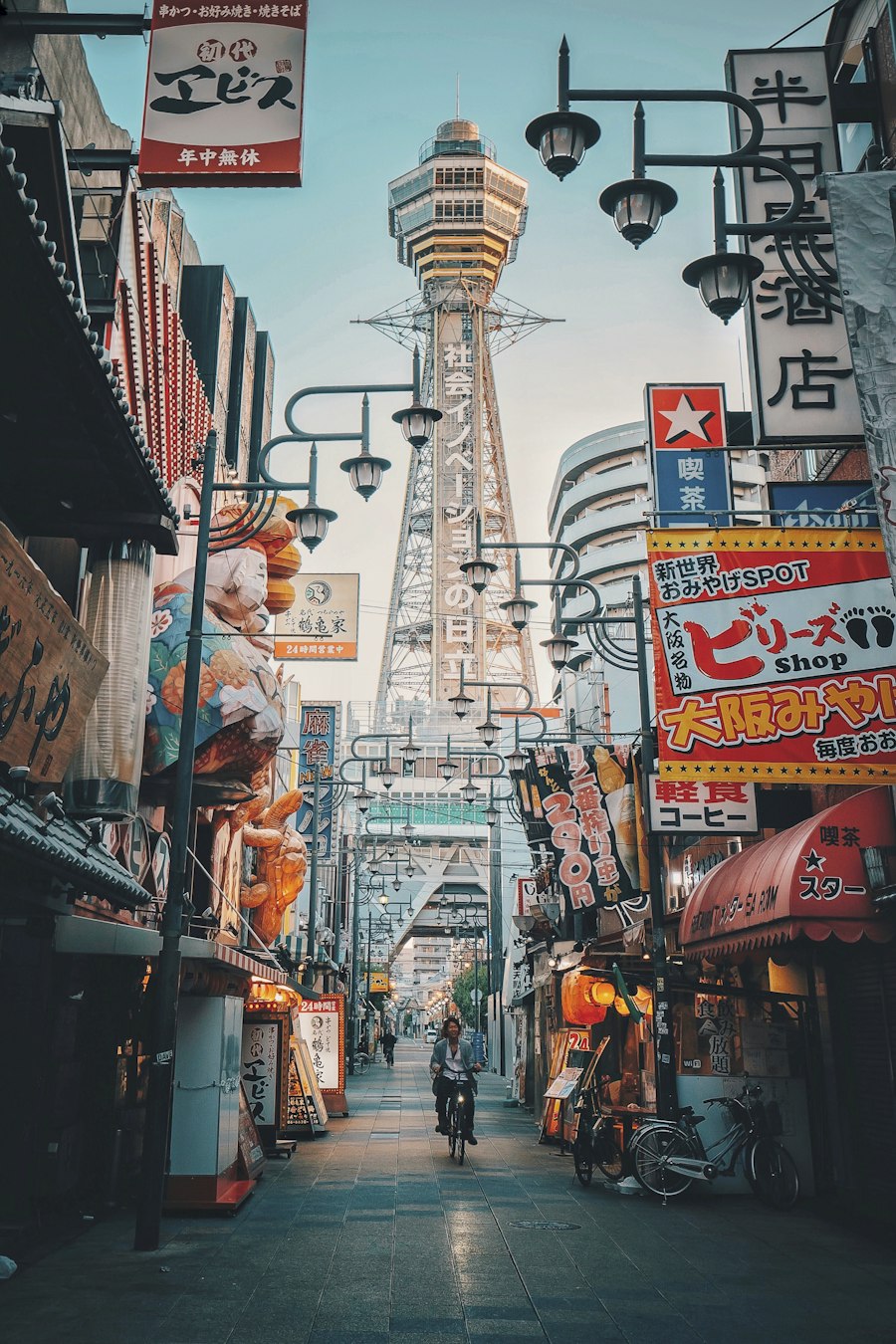
I moved to Tokyo in my twenties and played in bands based at spots like Mandala in Kichijoji and UZU in Fukushima. I know Tokyo's band scene well. But every time I come to Osaka, I think: "This city's music has a different kind of heat than Tokyo."
To put the characteristics of Osaka's band scene in one phrase: everything is closer. The distance between band members, between live house staff and bands, between audiences and the stage. Everything is shorter than in Tokyo. It's common to go for drinks with the performers after your first live and have someone say, "Want to hit the studio next week?"
Plus, the cost of band activity is cheaper than Tokyo. Studio rates and live house performance quotas are around 60-70% of Tokyo prices. This means you can increase practice sessions and rack up more live performances. The lower risk of having to quit due to financial constraints is a major advantage in Osaka.
This article provides a thorough explanation of concrete methods for finding band members in Osaka, complete with venue and practice studio information organized by area. While our area-by-area guide for Tokyo, Osaka, and Nagoya covered Osaka in overview, this time we focus more deeply on Osaka alone.
5 Methods for Finding Band Members in Osaka
First, let's organize the concrete methods for finding band members in Osaka.
The basic flow of band member recruitment — organized in 4 steps
When you hear "recruiting members," you might brace yourself, but the actual flow can be broken down into decide recruitment requirements → post/search → contact → meet in person → jam session in 4 stages. If you understand the pitfalls at each step, your success rate for making connections in Osaka jumps dramatically.
| Step | What to do | Common pitfalls |
|---|---|---|
| ① Decide recruitment requirements | Clarify instrument, genre, activity area (Shinsaibashi/Umeda/Namba), goals (original or cover), frequency, age range | Criteria that are too narrow result in zero responses. The golden rule is to separate "non-negotiable conditions" from "conditions you can compromise on" |
| ② Post/search | Post on sites like Membo or OURSOUNDS, or search existing recruitment posts | Posting on multiple sites simultaneously is more effective than relying on just one |
| ③ Contact/messaging | Send a short message to interesting prospects with your music link and SNS | Long self-introductions don't get read. 3-5 lines + music link has a higher response rate |
| ④ Meet in person / jam session | 30-minute chat at a Shinsaibashi café → 2 hours at a studio like BASS ON TOP | Clear up terminology misunderstandings early on (terms like "opening band," "quota," "venue") |
This flow is the same in Tokyo and Nagoya, but in Osaka's case, the "face-to-face relationship" progression at stage ④ is dramatically faster. When you jam at a Shinsaibashi studio or café, you can quickly tell whether you're compatible. This is Osaka's geographical advantage. For detailed advice on writing responses, see Common traits of people who can't find band members.
1. Use member recruitment sites and apps
This is the most convenient and efficient method. On Membo, you can filter member recruitment posts by Osaka Prefecture and view them in a list. You can specify by genre, instrument, and age range, making it possible to search precisely for things like "Osaka × Rock × Drummer Wanted."
Osaka ranks second only to Tokyo in the volume of member recruitment posts. New recruitment posts appear daily, so the key is to check frequently and contact anyone who catches your eye immediately. As mentioned in Common traits of people who can't find band members, if you wait thinking "maybe a better recruitment will come along," you'll never get started.
3 tips for using Membo effectively in Osaka
- Register → create profile: After free registration, fill in your profile with "playing experience," "favorite artists," and "preferred activity areas (specific wards like Shinsaibashi/Umeda/Namba/Tennoji)." Your profile details become the foundation for recruiters searching for members
- How to narrow your search: Filtering by "railway lines" (Midosuji Line/Chuo Line/Hankyu Lines) in addition to "Osaka Prefecture" helps you find members convenient to your practice location. Since Membo has detailed area specifications, search within your geographic range
- Messaging etiquette: On first contact, keep it to 3-5 lines with "self-introduction + music link + what genre you want to play together." A short message that conveys the "jam session vibe" gets higher response rates than a long self-introduction. Since it supports 5 languages, you can send messages in English to foreign recruiters
By similarly registering with other services like OURSOUNDS, Music365, and Jimoty, you increase your opportunities. Operating 2-3 services in parallel rather than relying on just one is the practical approach in Osaka.
2. Go to live houses
Osaka's band scene operates on face-to-face relationships. Rather than trying to complete everything online, actually going to see live shows is the fastest path.
Go to a live featuring bands in your favorite genre, and approach them after their set. The phrase "That was amazing!" opens up connections far more frequently in Osaka than Tokyo. It's not uncommon for members of an opening band to ask, "Our bass player is leaving—do you know anyone?" and introduce you.
3. Participate in session events
Osaka has many session events welcoming beginners. At Rock Bar SEVENTH in Umeda, you can enjoy guitar sessions. At Studio MAX's Amerikamura location, regular standard song practice sessions are held. Live Spot Tension offers a style where customers can freely play, and you can also do impromptu sessions with other customers.
Forming a band with someone you met at a session is a classic pattern in Osaka. As noted in The Complete Guide to Joining a Band for Beginners, a session is a place where you instinctively know "I want to play with this person."
4. Practice studio bulletin boards and communities
Large Osaka studios like BASS ON TOP and Studio 246 have member recruitment bulletin boards in their lobbies. If band members use the same studio, you won't have practice space conflicts, and you naturally become acquainted with other users.
5. Music store events and workshops
Miki Musical Instruments (Shinsaibashi Main Store) and Ishibashi Musical Instruments (Umeda Store) occasionally hold workshops and mini-session events. Beyond just buying instruments, participating in these events makes it easier to find like-minded friends.
Shinsaibashi & Amerikamura — the center of Osaka's band scene
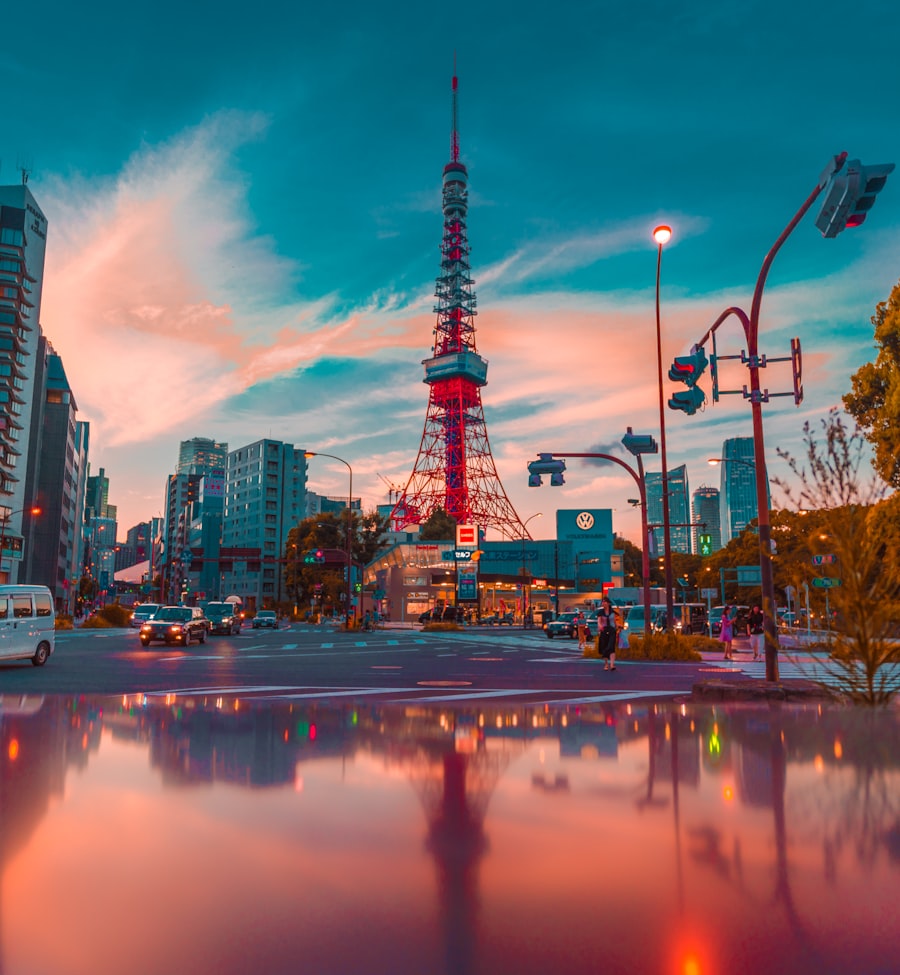
To play in a band in Osaka, you must first understand Shinsaibashi and Amerikamura. This is the central hub of Osaka's band scene, equivalent to Shimokitazawa in Tokyo.
Shinsaibashi BIGCAT
| Item | Details |
|---|---|
| Capacity | Standing room: approximately 800 |
| Genre | Rock, pop, indie |
| Location | BIGSTEP 4F, 1-6-14 Nishi-Shinsaibashi, Chuo Ward, Osaka |
| Access | 5 minutes walk from Shinsaibashi Station on Midosuji Line |
| Official Website | bigcat-live.com |
A flagship live house of Osaka located inside BIGSTEP. With capacity of 800, it's medium to large-scale and hosts a wide range of artists from major labels to indie. Located in the heart of Amerikamura, access is excellent. Member recruitment talks often come from opening bands for shows booked here.
Live House Pangea
| Item | Details |
|---|---|
| Capacity | Standing room: approximately 200 |
| Genre | Indie rock, alternative, pop |
| Location | 2-18-8 Nishi-Shinsaibashi, Chuo Ward, Osaka |
| Access | 7 minutes walk from Shinsaibashi Station on Midosuji Line |
| Official Website | livepangea.com |
A small venue representing Amerikamura, directly across from BIGSTEP. With 200 capacity and the right-sized space, it's a gateway venue for indie bands. The booking staff is helpful, and band-to-band networking is active. If you mention you're looking for members, you might get introductions from regular bands.
Shinsaibashi FANJ
| Item | Details |
|---|---|
| Capacity | Standing room: approximately 400 |
| Genre | Rock, metal, visual-kei, multi-genre |
| Location | 1-6-15 Higashi-Shinsaibashi, Chuo Ward, Osaka |
| Access | 5 minutes walk from Shinsaibashi Station on Midosuji Line |
| Official Website | s-fanj.com |
A serious live house in East Shinsaibashi. High-quality sound and lighting, hosting a wide range from indie to major label acts. Hall rental is also available for bands planning self-produced events.
OSAKA MUSE
| Item | Details |
|---|---|
| Capacity | Standing room: approximately 400 |
| Genre | Rock, visual-kei, idol, multi-genre |
| Location | 2-11-7 Nishi-Shinsaibashi, Chuo Ward, Osaka |
| Access | 8 minutes walk from Shinsaibashi Station on Midosuji Line |
| Official Website | osaka.muse-live.com |
An established live house in the Amerikamura area. Multi-genre compatible, from visual-kei to rock and pop. Having this many live houses concentrated in just the Shinsaibashi area is Osaka's strength. They're within walking distance, so you can even hop between multiple venues in a single day.
Amerikamura DROP
| Item | Details |
|---|---|
| Capacity | Standing room: approximately 250 |
| Genre | Rock, punk, alternative |
| Location | 2-18-8 Nishi-Shinsaibashi, Chuo Ward, Osaka |
| Access | 7 minutes walk from Shinsaibashi Station on Midosuji Line |
| Official Website | clubdrop.jp |
A live house right in the heart of Amerikamura. Strong in rock, punk, and alternative genres. Features many young bands, making it particularly suited for finding members in your 20s and 30s.
Umeda — Best accessibility, hub of working musicians' bands
Umeda, the center of north Osaka, has outstanding public transportation access. JR Osaka Station, Hankyu Umeda Station, Hanshin Umeda Station, Subway Midosuji Line Umeda Station—all railway lines converge here. Stopping by the studio on the way home from work, going to see live shows on weekends—it's convenient for both, making it a hub for working musicians' bands.
Umeda Shangri-La
| Item | Details |
|---|---|
| Capacity | Standing room: approximately 200 |
| Genre | Rock, pop, singer-songwriter |
| Location | 1-1-14 Oyodo-minami, Kita Ward, Osaka |
| Access | 10 minutes walk from JR Osaka Station |
| Official Website | shan-gri-la.jp |
A space where diverse musical genres flourish under the concept "100 Flowers Blooming." With 200 capacity and a comfortable size, the distance between performers and audience is close. Regular events create an established regular band community.
Umeda Zeela
| Item | Details |
|---|---|
| Capacity | Standing room: approximately 250 |
| Genre | Rock, pop, indie |
| Location | B1F Sanko Umeda Building, 1-5 Doyama-cho, Kita Ward, Osaka |
| Access | 5 minutes walk from Hankyu Umeda Station |
| Official Website | osaka-zeela.jp |
A relatively new live house that opened in 2013. The stage is designed 150mm higher, so it's easy to see from the back. It's co-located with BASS ON TOP Umeda, making the flow from rehearsal to performance extremely convenient. The lounge space is generous and accommodates acoustic live performances and DJ events.
Umeda CLUB QUATTRO
| Item | Details |
|---|---|
| Capacity | Standing room: approximately 700 |
| Genre | Rock, pop, world music |
| Location | Plaza Umeda Building, 8-17 Tafuji-ji-cho, Kita Ward, Osaka |
| Access | 5 minutes walk from Higashi-Umeda Station on the subway |
| Official Website | club-quattro.com |
Originally opened in Shinsaibashi in 1991, moving to Umeda in 2012. A prestigious live house carrying 20 years of history. With capacity of 700, it's fairly large and hosts many major artists. Many band musicians have the goal of performing here, making it a place where you're likely to find highly motivated bandmates.
Namba & Tennoji areas — hidden gems and individualistic venues
Namba Hatch
| Item | Details |
|---|---|
| Capacity | Standing: approximately 1,500 / Seated: approximately 800 |
| Genre | Rock, jazz, hip-hop, idol, multi-genre |
| Location | Inside Minato-cho Riverplace, 1-3-1 Minato-cho, Naniwa Ward, Osaka |
| Access | 5 minutes walk from JR Namba Station / 10 minutes walk from Namba Station on the subway |
| Official Website | namba-hatch.com |
Opened in 2002, characterized by its distinctive octagonal exterior, this is a major Osaka live house. With capacity of about 1,500, it hosts a wide range of live performances from major artists to indie acts. Many Osaka bands aim to perform here.
Teradacho Fireloop
| Item | Details |
|---|---|
| Capacity | Standing room: approximately 100 |
| Genre | Rock, punk, hardcore, indie |
| Location | B1F Sintei Building, 4-10-17 Daido, Tennoji Ward, Osaka |
| Access | 3 minutes walk from JR Teradacho Station |
| Official Website | fireloop.net |
An individualistic small venue in the Tennoji area. In the intimate 100-capacity space, rock, punk, and hardcore are strong. The smaller the venue, the closer the distance between performers and audience, and the more likely conversations about member recruitment arise. The Tennoji area also has relatively cheap studio rates, making it popular with student bands.
LIVE SQUARE 2nd LINE
| Item | Details |
|---|---|
| Capacity | Standing room: approximately 250 |
| Genre | Rock, pop, multi-genre |
| Location | 7-11-37 Fukushima, Fukushima Ward, Osaka |
| Access | 3 minutes walk from JR Fukushima Station |
| Official Website | arm-live.com/2nd |
A live house located under the elevated tracks in Fukushima Ward. It's a playful space hosting diverse events. Just one station from Umeda and with good access.
Osaka's recommended practice studios and price comparisons
As explained in How to Choose a Band Practice Studio, studio selection is the foundation of band activity. Osaka's major advantage is that studio rates are cheaper than Tokyo. Here's a guide to major studio chains.
BASS ON TOP
A popular studio chain centered in Osaka. Multiple locations including Umeda, East Shinsaibashi, and Tennoji branches. The Umeda location is co-located with live house Zeela, making the flow from rehearsal to performance seamless. Individual practice is also available, and studio costs are split per person.
- Official Website: bassontop.co.jp
- Locations: Umeda / East Shinsaibashi / Tennoji and more
Studio 246
A 24-hour studio chain with locations in Osaka, Nagoya, Kobe, and Kyoto. Osaka has 4 locations: OSAKA (Umeda), NAMBA, JUSO (Juso), and GEN (Tenroku). Open 24 hours, so it accommodates late-night and early-morning practice. Weekday daytime and night-time slots offer extended-hour discounts. The Juso location also has live house GABU co-located.
- Official Website: widewindows.com
- Locations: OSAKA (Umeda) / NAMBA / JUSO (Juso) / GEN (Tenroku)
Studio rate reference (Osaka vs. Tokyo)
| Item | Osaka | Tokyo |
|---|---|---|
| Band practice (1 hour) | 1,800–3,000 yen | 2,500–4,000 yen |
| Individual practice (1 hour) | 500–900 yen | 700–1,200 yen |
| 24-hour access | Available at Studio 246, etc. | Limited options |
As you can see in The Real Costs of Band Activity, studio rates are a fixed cost of band activity. Osaka's fixed costs are 30-40% cheaper than Tokyo. For 4 practice sessions a month, that's a difference of several tens of thousands of yen annually. This difference is significant.
Famous bands from Osaka — music born from this city

To understand the richness of Osaka's music scene, look at the artists born from this city.
- Wulful Ouzels — A soulful rock band born from Osaka. Songs like "Guts da ze!!" and "Banzai—good that I like you—" are like Osaka's spirit and humanity transformed directly into music
- KANA-BOON — All members are from Osaka Prefecture. Formed in a high school light music club in 2006, they made their major debut in 2013. A representative example of bands climbing through Osaka's indie scene
- 10-FEET — From Kyoto but always central to Osaka's live scene. Their hosted festival "Kyoto Daisaku-sen" is a summer tradition for Kansai musicians
- Kyuso Nekokami — From Kwansei Gakuin University's light music circle. Grew through playing live houses in Osaka and Kobe
- 04 Limited Sazabys — Originally from Nagoya but honed through Kansai tours. A symbolic example of the connection between Tokai and Kansai music scenes
What's common among Osaka-born bands is that the energy of their live performances is exceptional. MC banter with the audience, jumping off stage, unexpected encores—this "heat of the live" is the asset of bands raised in Osaka.
The full picture of band activity costs in Osaka
How much does it cost per month to continue band activity in Osaka? Here's a realistic breakdown.
| Item | Osaka rates | Frequency | Monthly estimate |
|---|---|---|---|
| Studio practice | 2,000–3,000 yen/session | 4x/month | 8,000–12,000 yen |
| Individual practice | 500–900 yen/session | 4x/month | 2,000–3,600 yen |
| Live performance quota | 10,000–20,000 yen/show | 1–2x/month | 10,000–40,000 yen |
| Transportation | In-city travel | 8x/month | 3,000–5,000 yen |
| Total | 23,000–60,600 yen |
In Tokyo, you'd add another 30,000-50,000 yen on top of that per month. As detailed in How to Perform at Live Houses, quotas vary greatly depending on venue capacity and location. In Osaka, quotas are typically 60-70% of Tokyo's, so you can build up more live performances. If you want to accumulate practical experience, Osaka is an extremely favorable environment.
Osaka's session and music event information
Looking for band members? Participating in session events is the quickest way. Here's a summary of major sessions regularly held in Osaka.
Beginner's guide to jam sessions — Shinsaibashi/Umeda debut edition
"Sessions seem intimidating." "Are there casual places to participate?" For beginners wondering this, here's the actual flow of participating in sessions in Shinsaibashi, Umeda, and Amerikamura. Osaka sessions operate on "feel free to come by" basis, welcoming beginners.
Necessary equipment and instruments
- Guitar/bass: Bring your own instrument. Don't forget your cable (usually available, but just to be safe)
- Drums: Standard to use the venue's kit. Just bring drumsticks
- Keyboard: Standard to use the venue's keyboard. Rock Bar SEVENTH and Studio MAX have permanent setups
- Vocals: Use the venue's microphone. Know the key of songs you want to sing beforehand
- Sheet music/chord progression notes: For rock, bring a "chord sheet." For jazz, bring the "Real Book" with keys. Brings peace of mind
Day-of flow
- Arrival/registration (pay cover charge): Arrive 30 minutes before opening through the start time. Cover is typically 1,500–3,000 yen (+ 1 drink). Tell the staff "This is my first time," and the host musician will guide you
- Wait and observe: For the first 30–60 minutes, the host band plays. Get a feel for the atmosphere, song selections, and level
- Get called on: The host asks "Who wants to play next?" or "Do we have a bass player?" Raising your hand takes courage. Osaka has an atmosphere where it's easy to speak up
- Perform (2–3 songs): One set is 2–3 songs. Rock standards include "Smoke on the Water / Sunshine of Your Love / Johnny B. Goode"; jazz includes "Autumn Leaves / Blue Bossa." Learn a few songs beforehand
- Switch / socializing: After playing, chat with other participants at the bar. This is where member recruitment actually happens in Osaka sessions — conversation after the performance is more important than the performance itself
Participation style by venue
| Venue | Participation method | Level | Strong genres |
|---|---|---|---|
| Rock Bar SEVENTH (Umeda) | Drop-in guitar sessions welcome | Beginner to intermediate | Rock, hard rock |
| Studio MAX Amerikamura location | Regular standard song practice sessions | Absolute beginners welcome | Rock, pop |
| Live Spot Tension (Umeda) | Customers can freely perform | Beginner to intermediate | All genres (rock-focused) |
| Jazz venues (Kitashinchi, Shinsaibashi jazz bars) | Some allow drop-ins; check beforehand | Intermediate and up (jazz theory required) | Jazz, bossa nova |
Level reference
If you're nervous about performing right away, just attending to watch is fine. Studio MAX's standard song practice session is also a place where "people just starting bands" gather, so it's perfect for a first step. Reading Jam Session Beginner's Guide (nationwide) will help you understand the different session cultures across cities. Osaka has a strong "give it a try" atmosphere, so please gather your courage and raise your hand.
Rock and pop session information
- Rock Bar SEVENTH (Umeda) — A rock bar where you can play and have sessions with artist-model guitars. Fun for beginners to advanced players, regardless of age or gender (official site)
- Live Spot Tension — A customer-participation-style live house. Open Tuesday–Sunday, bands and individuals can freely perform. Impromptu sessions with other customers happen regularly (official site)
- HOW Jam Standard Song Practice Session (Shinsaibashi) — Held regularly at Studio MAX's Amerikamura location. Beginner-friendly where everyone plays standard rock and pop songs together. Perfect for starting member recruitment
Jazz session information
- Jazz Bar PROUST (Shinsaibashi) — Hosts jam sessions monthly. Host members change each time, offering opportunities to play with professional musicians
The best part of sessions is that you can voice your interest to someone whose playing you like right then and there. Written information online can't convey the musical compatibility and vibe that you understand instantly at a live session.
Practical advice for finding band members in Osaka

Finally, here's practical advice for finding band members in Osaka.
Don't narrow your area too much
Unlike Tokyo, moving around Osaka is compact. From Shinsaibashi to Umeda is 10 minutes by subway, to Tennoji is 15 minutes. You can reach anywhere in Osaka within 30 minutes, so don't restrict yourself too much. Think "anywhere in Osaka" rather than "Shinsaibashi only."
Expand your search to the Kansai region
Many Osaka musicians form bands with members from Kobe and Kyoto. It's 30 minutes by Hankyu from Umeda to Sannomiya (Kobe), and 45 minutes on the Hankyu express to Kawaramachi, Kyoto. Viewing it as a Kansai-wide search dramatically increases your options. Membo lets you search across Osaka, Hyogo, and Kyoto.
Enjoy Osaka's "vibe"
Osaka's band scene is relaxed and warm in the best way. Even at first meetings in studios, people naturally ask "Where are you from?" and "What do you play?" You often get invited to post-live hangouts. Those who can enjoy this "vibe" won't struggle to find band members in Osaka.
Understand instrument-specific demand
Even in Osaka, there's a serious drummer shortage. People who play drums are in high demand. Conversely, aspiring vocalists face stiff competition. Understanding your instrument's supply and demand helps you find a band efficiently.
Summary — Osaka is a city where "action yields results"
Here's the summary of methods for finding band members in Osaka.
- Online: Check Membo for Osaka/Kansai member recruitment. Contact immediately when you find something
- Shinsaibashi & Amerikamura: Visit live houses like BIGCAT, Pangea, FANJ, OSAKA MUSE, DROP that cluster here
- Umeda: Venues like Shangri-La, Zeela, CLUB QUATTRO. A hub for working musicians' bands doing studio sessions on weekday evenings and weekend shows
- Namba & Tennoji: Individual venues like Namba Hatch and Fireloop. Cheap studio rates popular with students
- Sessions: Rock Bar SEVENTH, Live Spot Tension, HOW Jam. Musical compatibility becomes immediately apparent
- Costs: 60-70% of Tokyo. You can increase both practice frequency and the number of live performances
The greatest charm of Osaka's band scene is the proximity of everything. Live house staff, opening band members, the person next to you—they all have the potential to become friends. Tokyo is dry; Osaka is warm. Some might not prefer the warmth, but for finding band members, it's the ideal environment in my opinion.
Please also reference member recruitment in regional cities like Fukuoka, Sapporo, and Sendai, but Osaka is in a different league from regional cities in terms of scale. Japan's second-largest band scene exists right here.
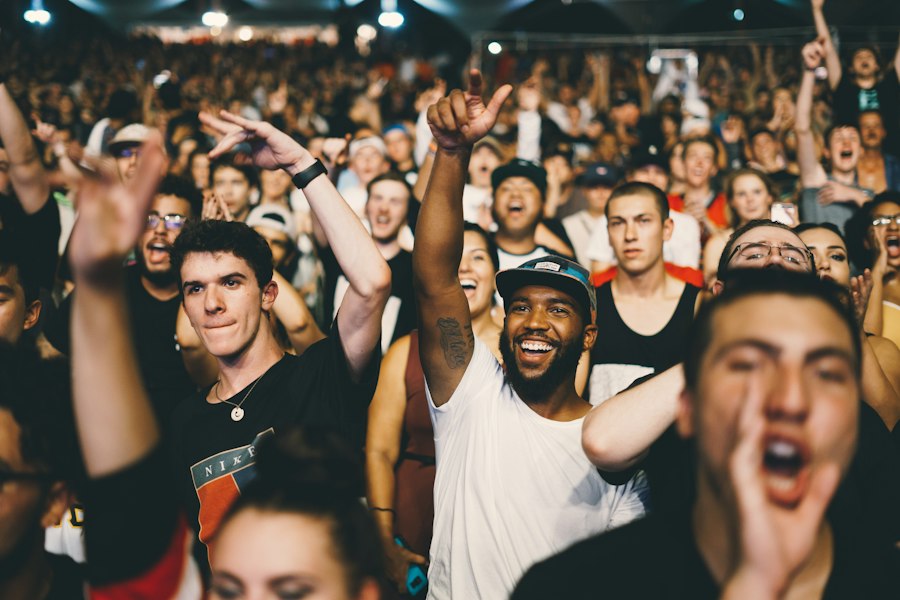
Regardless of nationality, gender, or age, music connects people through a single note. Just as I've always believed in spending my whole life doing sessions and bands, Osaka definitely has kindred spirits with the same feeling.
Check Osaka band member recruitment right now → Membo