Kobe is Not Just a "Jazz City" — A Port Town Where Rock and Punk Also Thrive
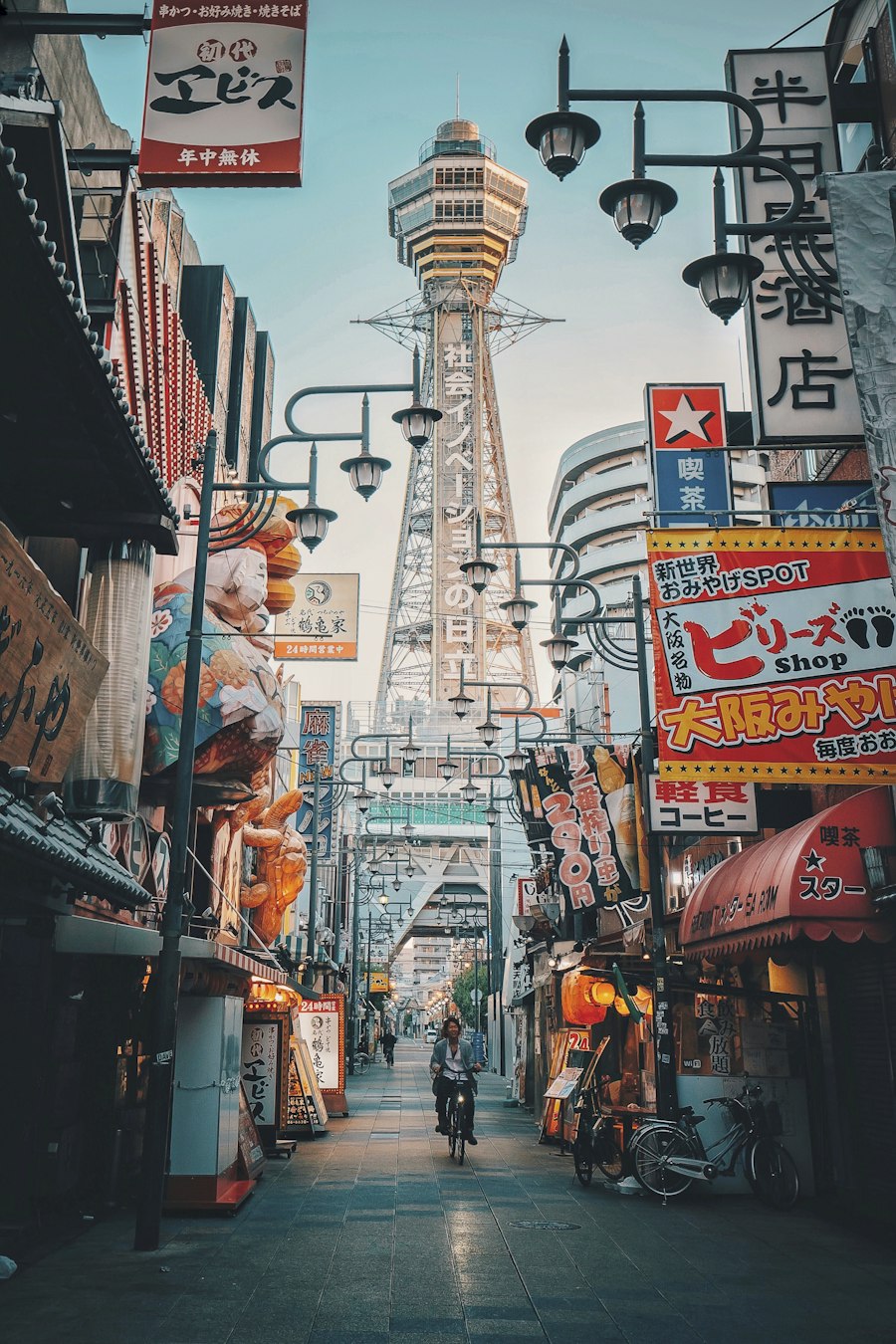
If you're looking for band members in Kobe, I want to tell you something first. Behind the banner of "Kobe, the jazz city," there lies a thick scene of rock, punk, alternative, and indie music.
It's said that Japan's first live jazz performance took place in Kobe in 1923. Over 100 years later, the jazz tradition continues to live in the live bars of Kitano-zaka, but Kobe's music is more than that. Gagaga SP shouted youth punk from under the elevated tracks in Sannnomiya, Jooh Bee spread their unique worldview nationwide from Kobe, and tofubeats transformed the Kobe atmosphere directly into beats. This city has the DNA of "taking music that came in from the harbor and playing it in our own language".
Moreover, Kobe has live houses, studios, and jam session venues densely packed in adjacent areas of Sannnomiya, Motomachi, and Shinkaichi. Unlike Osaka where they're scattered across a wide area, you can watch live music after work, practice in a studio on weekends, and have jam sessions at a jazz bar at night — your entire music-filled life can be completed within walking distance.
This article provides a thorough explanation of specific methods to find band members in Kobe, along with live house and practice studio information organized by area. While area-by-area guides for Tokyo, Osaka, and Nagoya and regional city guides didn't cover Kobe, Kobe's unique music scene, second only to Osaka in the Kansai region, deserves to be discussed independently.
5 Ways to Find Band Members in Kobe
First, let's organize the specific methods for finding band members in Kobe.
Basic Steps in Band Member Recruitment — Organized in 4 Steps
Even when "recruiting members," you actually go through stages: determining recruitment details → posting/searching → contacting → meeting → sound checking. Understanding the common pitfalls at each stage dramatically increases your chances of success in Kobe.
| Step | What to Do Specifically | Common Pitfall |
|---|---|---|
| ① Determine recruitment details | Organize position, genre, active area (Sannnomiya/Motomachi/Shinkaichi), goal (original or cover), activity frequency, age group | Too narrow conditions result in zero applications. The golden rule is to separate "non-negotiable conditions" from "conditions you can compromise on" |
| ② Post/Search | Post on sites like Membo or OURSOUNDS, or search existing recruitment posts | It's better to post on multiple sites in parallel rather than just one |
| ③ Contact/Message | Send a short message to interested prospects with your music links and SNS | Long self-introductions are rarely read. 3-5 lines + music link has higher response rates |
| ④ Meet/Sound Check | Have a 30-minute chat at a Sannnomiya cafe → 2-hour studio session at BASS ON TOP etc. | Make sure to clarify understanding of terms like "joint performance," "quota," "face-to-face practice" from the beginning |
This flow is the same as in Osaka and Tokyo, but in Kobe's case, studio costs are 20-40% cheaper than other cities, making it a major advantage to sound check casually with multiple candidates. For more tips, see Common Traits of People Who Can't Find Band Members.
1. Use Member Recruitment Sites and Apps
The most convenient and efficient method. With Membo, you can see member recruitment filtered by Hyogo Prefecture or Kobe City in a list. You can specify genre, position, and age group, so you can pinpoint searches like "Kobe × Rock × Drums Wanted."
Kobe is only 30 minutes by train from Osaka, making it easy to pair with Osaka members as well. As mentioned in Common Traits of People Who Can't Find Band Members, if you keep waiting thinking "maybe a better recruitment will come along," you'll never start moving. The rule is to contact them immediately when something catches your eye.
2. Attend Live Houses
Kobe's live houses are concentrated around Sannnomiya. Famous ones like Chicken George, VARIT., and Taiyo to Tora are within walking distance of each other, making it easy to bar-hop. Attend live shows of the genre that interests you and talk to performers or audience members after the show. You'll often get referrals from members of your fellow performers (bands you share a bill with) like "our bassist is leaving."
3. Participate in Session Events
Given that Kobe is a jazz city, session culture has taken root. You can hear professional performances every night at SONE on Kitano-zaka, and Basin Street allows sit-in sessions. Not just jazz, but rock and blues session events are also held irregularly at various live houses. As mentioned in Complete Guide to Entering a Band for Beginners, sessions are places where you instinctively know "I want to play with this person."
4. Practice Studio Bulletin Boards and Communities
Major studios in Sannnomiya like BASS ON TOP Kobe Sannnomiya branch and Studio 246 WEST have member recruitment bulletin boards in their lobbies. If you use the same studio, you won't have venue disputes. Following studios' SNS and LINE accounts to check for recruitment information is also effective.
5. Musical Instrument Store Events and Workshops
Shimamura Music Sannnomiya Opa holds band experience and workshops irregularly. Beyond just buying and repairing instruments, participating in these events increases your chances of meeting like-minded companions. If you ask staff "I'm looking for band members," they sometimes introduce you to regular musicians.
Sannnomiya — The Heart of Kobe's Band Scene
If you want to play in a band in Kobe, you can't start without knowing Sannnomiya. Where three train lines — JR Sannomiya Station, Hankyu Kobe Sannnomiya Station, and Hanshin Kobe Sannnomiya Station — intersect, Kobe's representative live houses are concentrated.
CHICKEN GEORGE
| Item | Details |
|---|---|
| Capacity | Approximately 400 standing |
| Genre | Rock, pop, jazz, blues, multi-genre |
| Location | 2-17-2 Shimoyamate-dori, Chuo-ku, Kobe |
| Access | 10 minutes walk from JR Sannomiya Station / 8 minutes walk from Hankyu Kobe Sannnomiya Station |
| Official Website | chicken-george.co.jp |
A historic live house representing Kobe, opened in 1980. In over 45 years of history, countless musicians have taken this stage. Characterized by open-mindedness regardless of genre, it hosts rock, jazz, blues, and pop. In 2021, it faced closure during the COVID-19 pandemic, but crowdfunding raised over 15 million yen in a single day, proving the heat of Kobe's music fans. Following the basic booking information mentioned in How to Perform at Live Houses, you could try applying to perform here first.
VARIT.
| Item | Details |
|---|---|
| Capacity | Approximately 350 standing (2-floor structure) |
| Genre | Rock, pop, idol, multi-genre |
| Location | 3-1-21 Shimoyamate-dori, Chuo-ku, Kobe |
| Access | 7 minutes walk from JR Sannomiya Station / 7 minutes walk from JR Motomachi Station |
| Official Website | varit.jp |
Opened in 2004, a rare 2-floor structured live house nationwide. With both main and second floors able to host different events simultaneously, you can encounter many bands in a single day. It actively collaborates with radio stations like Kiss FM KOBE on acoustic festivals. It's an ideal place to voice your need for members, as connections between performing bands naturally develop.
MUSIC ZOO KOBE Taiyo to Tora
| Item | Details |
|---|---|
| Capacity | Approximately 250 standing |
| Genre | Rock, punk, indie all-genre |
| Location | 2-1-253 Kotonooto-cho, Chuo-ku, Kobe |
| Access | 4 minutes walk from east exit of JR Sannomiya Station |
| Official Website | taitora.com |
Appeared suddenly in 2010, the "Year of the Tiger" — a "mysteriously-named live house." Located under the elevated tracks of Sannomiya Station, it's known as the gateway for young bands. It serves as the audition venue for the annual large free festival "COMING KOBE," and many bands that graduated from here have reached nationwide acclaim. The friendly atmosphere and close distance between performers and audience is its charm. If you voice "I'm looking for band members," staff and musicians might introduce you to someone.
live music club PADOMA
| Item | Details |
|---|---|
| Capacity | Approximately 220 standing |
| Genre | Rock, pop, acoustic, multi-genre |
| Location | B1F Sho Building, 1-4-10 Nakayamate-dori, Chuo-ku, Kobe |
| Access | 5 minutes walk from JR Sannomiya Station (along Kitano-zaka) |
| Official Website | padoma.jp |
Opened September 2022. The legendary live house "ART HOUSE" that supported Kobe's music scene for 37 years starting in 1985, its staff opened a new home in the basement of the Sho Building on Kitano-zaka. An artist-development-oriented live house inheriting ART HOUSE's spirit. The connections from ART HOUSE, which produced Alkara and Masahiro Oishi, continue to work, so visiting here lets you touch the core of Kobe's band scene.
Kobe 108
| Item | Details |
|---|---|
| Capacity | Approximately 150 standing |
| Genre | Rock, alternative, multi-genre |
| Location | 1-2-235 Kotonooto-cho, Chuo-ku, Kobe |
| Access | 5 minutes walk from east exit of JR Sannomiya Station |
| Official Website | livehouse108.net |
Located along the elevated tracks near Sannomiya Station, a venue that has led Kobe's indie scene. While rock-focused, all genres are OK, and it accommodates not just live shows but sessions and showcase events. In the intimate space of 150 capacity, the distance between performers and audience is exceptionally close. If you tell regular band members "I'm looking for members," the word spreads through the grapevine.
Motomachi and Harborland — An Area Where Unique Venues Gather

LIVEHOUSE&BAR ALWAYS -motomachi-
| Item | Details |
|---|---|
| Genre | Acoustic, jazz, pop, multi-genre |
| Location | 3 Motomachi-dori, Chuo-ku, Kobe (inside Motomachi shopping arcade) |
| Access | 3 minutes walk from JR Motomachi Station / 3 minutes walk from Hanshin Kobe Motomachi Station |
| Official Website | always-motomachi.live |
A live house and bar inside the Motomachi shopping arcade. A casual space where you can enjoy drinks and food while listening to live performances, with many acoustic and jazz shows. The unique location inside a shopping arcade provides an easy, casual drop-in charm. It's suitable for acoustic or duo performances and can serve as a base for solo activities before forming a band.
Kobe Brick Warehouse K-wave
| Item | Details |
|---|---|
| Capacity | Approximately 250 standing / approximately 130 seated |
| Genre | Rock, pop, dance, multi-genre |
| Location | South Building, 1-5-5 Higashigawakita-dori, Chuo-ku, Kobe |
| Access | 8 minutes walk from JR Kobe Station / 8 minutes walk from Subway Harborland Station |
| Official Website | kobe-kwave.jp |
A landmark live space in Kobe Harborland, utilizing over 120-year-old brick warehouses. The unique atmosphere surrounded by brick walls is like no other live house. Used not just for live performances but also for exhibitions and parties, it's a place to meet creators beyond just music. As introduced in Featured Live Houses Special, venue atmosphere directly affects band motivation.
Club Gesssekai
| Item | Details |
|---|---|
| Capacity | Approximately 300 seated |
| Genre | Rock, pop, enka, party events |
| Location | Gesssekai Building, 1-3-8 Shimoyamate-dori, Chuo-ku, Kobe |
| Access | 5 minutes walk from JR Sannomiya Station |
| Official Website | gessekai.net |
A former cabaret space converted into a live hall and party space, a venue with retro and unique atmosphere. With seating for 300, it can accommodate everything from one-man live shows to large-scale events. The interior retaining Showa-era charm offers a special feeling found nowhere else. Popular as a venue for bands' self-produced events.
Practice Studios — Kobe is Even Cheaper Than Osaka
Practice studios are indispensable for band activities. Kobe's studios are concentrated in Sannnomiya. While following the basics introduced in How to Choose a Practice Studio, take advantage of this city's unique cost-effectiveness.
BASS ON TOP Kobe Sannnomiya Branch
| Item | Details |
|---|---|
| Number of Rooms | Multiple rooms (band rehearsal + individual practice) |
| Price Estimate | Band practice 1 hour approximately 1,500-2,500 yen (depending on room and time) |
| Location | 3-chome Sannnomiya-cho, Chuo-ku, Kobe |
| Access | 7 minutes walk from JR Sannomiya Station |
| Official Website | bassontop.co.jp |
The Kobe branch of a studio chain operating in Kansai centered on Osaka. You can use the same quality equipment and facilities as Osaka at Kobe prices. There's a member recruitment bulletin board, and bands are frequently formed among users of the same studio.
Studio 246 WEST
| Item | Details |
|---|---|
| Number of Rooms | 12 total rooms |
| Price Estimate | Band practice 1 hour approximately 1,300-2,700 yen (depending on time and number of people) |
| Location | 1-chome Kitanagasaoi-dori, Chuo-ku, Kobe |
| Access | 2 minutes walk from Hankyu Kobe Sannnomiya Station |
| Official Website | widewindows.com |
Kobe's largest music studio with 12 rooms in prime location 2 minutes walk from Hankyu Sannnomiya Station. All rooms are mirror-lined, and one-take line recording is available at no extra charge. Long-time discounts apply for usage over 3 hours, making it ideal for those wanting serious practice time. With locations also in Osaka, Kyoto, and Nagoya, if members are in different cities, you can practice at the same chain.
Individual Practice and Small Ensemble Plans — Kobe's Unique Cost Advantages
What really makes Kobe studios strong is the wealth of pricing plans for individual practice and small ensemble practice (2-3 people). By using a two-tier approach — "full band once a week, individual practice three times a week" — you can dramatically cut yearly studio costs.
Individual Practice Pricing Estimate (Sannnomiya Area)
| Purpose | Price Estimate (1 hour) | Notes |
|---|---|---|
| Individual practice (vocal) | Approximately 500-700 yen | Mic + monitor environment, soundproof |
| Individual practice (guitar/bass) | Approximately 500-800 yen | No need to bring amp, PA system available |
| Individual practice (drums) | Approximately 700-1,000 yen | Includes kit use, acoustic playing allowed |
| Small ensemble (2-3 people) | Approximately 1,000-1,500 yen | Split costs, approximately 300-500 yen per person |
Discount Utilization by Time Slot
- Early morning pack (7-10 AM): Approximately 20% off. Employees and students can practice 1 hour before work
- Weekday daytime (1-5 PM): Free-time system offers further discounts for 3+ hour usage
- Late night pack (10 PM-5 AM): BASS ON TOP and Studio 246 both available, 5 hours for 5,000-7,000 yen
- Membership registration: Enrollment fee 500-1,500 yen, regular rates drop 10-15% after registration
The value of individual practice is surprisingly significant. If you use all your studio time for band "jam," individual weaknesses go unaddressed. When you add 1-2 individual practice sessions per member alongside weekly band practice, the entire band's level transforms within 3 months. Kobe's cheap studio rates provide the foundation for this habit.
3-City Studio Price Comparison
| Item | Kobe (Sannnomiya) | Osaka (Shinsaibashi) | Tokyo (Shinjuku) |
|---|---|---|---|
| Band practice (2 hours) | Approximately 2,600-5,400 yen | Approximately 3,000-6,000 yen | Approximately 4,000-8,000 yen |
| Individual practice (1 hour) | Approximately 500-800 yen | Approximately 600-1,000 yen | Approximately 800-1,200 yen |
| Late night pack (5 hours) | Approximately 5,000-7,000 yen | Approximately 6,000-8,000 yen | Approximately 8,000-12,000 yen |
As introduced in The Reality of Band Activity Costs, studio costs are the largest fixed expense in band activity. Kobe tends to be 10-20% cheaper than Osaka and 30-40% cheaper than Tokyo. If you practice 4 times per month for 2 hours each, the cost difference with Tokyo alone saves you several thousand yen per year.
Jazz Sessions and Live Bars — The True Essence of Kobe
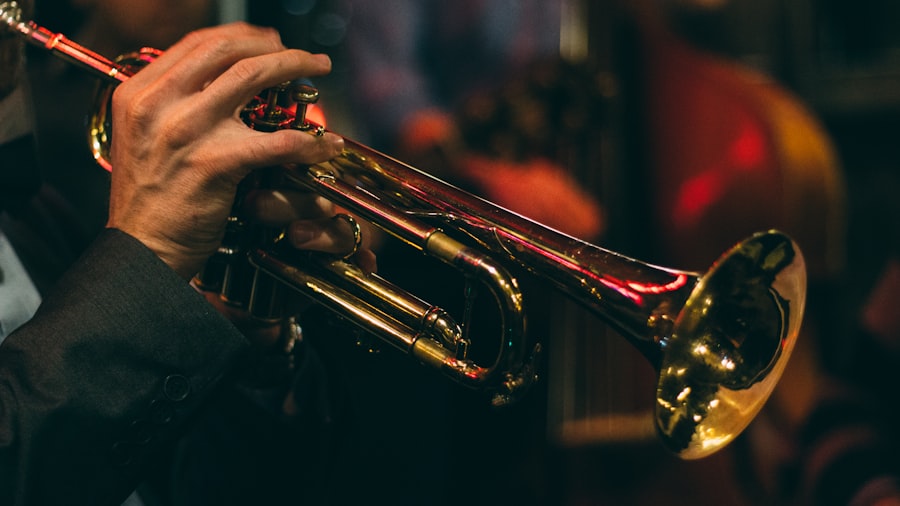
If you're looking for band members in Kobe, you can't miss jam session venues. Even if you're looking for rock band members, musicians from the jazz world you meet at sessions can create surprising chemistry.
Beginner's Practical Guide to Participating in Jam Sessions — Kitano-zaka Debut Edition
For beginners who think "jazz sessions seem like high barriers," here's the actual flow for participating in sessions at SONE, Basin Street, and Y's ROAD on Kitano-zaka. Kobe's session venues are basically open to beginners.
Necessary Equipment and Instruments
- Guitar/Bass: Bring your own instrument. Don't forget your cable (though venues usually have them)
- Drums: Using the venue's kit is standard. Just bring sticks
- Keyboard: Generally using the venue's keyboard. For smaller venues like Y's ROAD, check beforehand
- Vocal: Use the venue's mic. Know the key for songs (standards) you'll sing
- Sheet music/Lead sheets: For jazz, bring "Real Book" copies with keys marked for safety
Day-of Flow
- Arrival/Check-in (charge payment): Arrive 30 minutes to the start time. Charge is 2,000-3,000 yen (with or without one drink). Tell them "this is my first time" and the host musician will guide you
- Wait and observe: Spend the first 30-60 minutes watching the host band. Observe the vibe, song selection trends, and skill level
- Your turn comes: The host calls out "anyone want to play?" Raising your hand takes courage
- Perform (2-3 songs): One set is 2-3 songs. In Kobe jazz venues, standards like "Autumn Leaves," "All of Me," "Blue Bossa" are common. Learn a few beforehand
- Exchange and socialize: After playing, chat with other participants at the counter. This is Kobe's true strength — member-finding opportunities come after playing, not during
Venue-Specific Participation Styles
| Venue | Participation Style | Skill Level | Specialty |
|---|---|---|---|
| SONE | Professional performances center stage, younger musicians invited as approached | Intermediate to advanced, young musicians invited by pros | Serious jazz/vocal |
| Basin Street | Sit-in sessions welcomed | Beginner to intermediate, beginners welcome | Jazz/blues |
| Y's ROAD | 4th Tuesday anyone can participate | Beginner to intermediate, 12-seat intimate space | All jazz genres |
Skill Level Guidelines
If you're scared to perform immediately, just observe first — that's fine too. After attending several times and getting the feel, you can raise your hand. Kobe jazz session venues welcome this step-by-step approach. While jazz theory basics (chord progressions, scales) are needed, Basin Street and Y's ROAD welcome "beginners just starting jazz." Reading Jam Session Beginner's Guide (National Edition) also helps you understand session culture differences across cities.
SONE
| Item | Details |
|---|---|
| Hours | 5:00 PM - 11:00 PM |
| Stage Times | 1st 6:30 PM / 2nd 7:50 PM / 3rd 9:10 PM |
| Location | 1-24-10 Nakayamate-dori, Chuo-ku, Kobe |
| Access | 5 minutes walk from JR Sannomiya Station (along Kitano-zaka) |
| Official Website | kobe-sone.com |
Established 1969, iconic symbol of Kobe jazz. This jazz restaurant on Kitano-zaka features professional musician performances nightly. Sundays and holidays also have afternoon jazz shows (1,000 yen with one drink). The sight of young musicians invited by professionals to join spontaneous sessions is part of Kobe's unchanged daily life for 50+ years. Recipient of Kobe City's Cultural Activities Achievement Award.
Basin Street
| Item | Details |
|---|---|
| Operations | Live music daily (afternoon shows 2nd Saturday each month) |
| Location | 1-chome Kitanagasaoi-dori, Chuo-ku, Kobe |
| Access | 7 minutes walk from JR Sannomiya Station |
A Sannnomiya jazz bar with live music every day. The 2nd Saturday afternoon shows are perfect for those who work nights. They accommodate sit-in sessions, so bringing your instrument might just find you a band mate on the spot.
Y's ROAD
| Item | Details |
|---|---|
| Session | 4th Tuesday (anyone can participate) |
| Location | 1-22-10 Nakayamate-dori, Chuo-ku, Kobe |
| Access | 5 minutes walk from JR Sannomiya Station |
| Official Website | ysroad.info |
A small intimate space with counter and 12 seats. Live performances occur weekly, and anyone can join sessions on 4th Tuesdays. The small venue means performer-to-performer distance is nearly zero. Many bands have been formed here with musicians who clicked instantly.
Famous Bands and Artists from Kobe
Kobe has produced unique artists across genres. Understanding the music this city has created will help you understand its spirit.
- Gagaga SP — A youth punk band with all members from Kobe. Formed 1997, raised under the Sannnomiya elevated tracks. Embodies the "Kobe kid"
- Jooh Bee — Formed in Kobe 2009. Centered on vocalist Av-chan, spreading their unique worldview nationwide. Recognized as "the Kobe band" even after major label debut
- tofubeats — Kobe-born and based track maker/DJ. Songs like "Suisei" achieve billions of YouTube views by converting Kobe's atmosphere directly into beats
- Frederick — Kobe-based rock band. "Odoloop" surpassed 100 million YouTube views
- Yasuyuki Okamura — Kobe-born singer-songwriter/producer. Active since the 80s with unique funk-pop
- Alkara — A 4-piece rock band produced by Kobe's ART HOUSE (PADOMA's predecessor)
Like Gagaga SP and Frederick continuing local activities, or Jooh Bee spreading nationwide from Kobe, what's common is "playing Kobe's music, not copies of Tokyo".
Overall Cost Picture of Band Activity in Kobe

| Category | Monthly Estimate | Notes |
|---|---|---|
| Studio practice | 5,000-10,000 yen | 4 times/month × 2 hours, split among members |
| Live performances | 0-15,000 yen | With ticket quota system. Some venues have no quotas |
| Transportation | 2,000-5,000 yen | Concentrated in Sannnomiya, so affordable |
| Strings/consumables | 1,000-3,000 yen | Guitar string replacement 1-2 times/month |
| Session participation | 0-3,000 yen | Charge + one drink |
| Total | 8,000-36,000 yen | 30-40% cheaper than Tokyo |
Kobe's greatest advantage is that live houses, studios, and session bars are all concentrated in Sannnomiya. With no time or money wasted on transit, you avoid Tokyo's "train fare eats one studio session's cost." Osaka is only 30 minutes away, making it easy to expand your activity range across the greater Kobe-Osaka area.
Guide to Using Member Recruitment Sites
To find band members in Kobe, combine offline activity with online recruitment services. Here's how to choose between the 3 main services.
| Service | Features | Supported Languages | Cost |
|---|---|---|---|
| Membo | Map search, station specification, translation chat, profile privacy settings. Filterable by Hyogo Prefecture/Kobe City | 5 languages (Japanese, English, Chinese, and Korean) | Completely free |
| OURSOUNDS | Japan's largest posting volume (approx. 650,000 monthly). Forum-style with abundant information | Japanese only | Free |
| bandcrew | Approx. 33,000 monthly page views. Filterable by area and genre | Japanese only | Free |
OURSOUNDS has overwhelming posting volume but Japanese only. bandcrew allows area filtering but also Japanese-only. Membo is the only member recruitment service supporting 5 languages, letting you connect with foreign musicians in Kobe without language barriers. Since Kobe has many international students and researchers, this multilingual support is a huge advantage.
The smart approach is using multiple services in parallel. As mentioned in Common Traits of People Who Can't Find Band Members, relying on one service and waiting for "better recruitment" means never getting started. Cast your net across all channels.
How to Apply for Live House Performances
You want to perform at a Kobe live house but don't know how to apply — here's the basic process. While How to Perform at Live Houses explains in detail, here are the Kobe-specific points.
1. Prepare Demo Recordings
First, record your music. Even smartphone recordings of studio practice work, but ideally use studio line recording. Studio 246 WEST offers recording at no extra charge. 2-3 songs are sufficient.
2. Contact the Live House
Most venues have "performance inquiry" or "booking" info on their websites. Even historic venues like Chicken George and VARIT. accept new band performances. Email or use web forms to submit demo links (YouTube/SoundCloud is fine) and brief band intro.
3. Quota Guidelines
Kobe live house ticket quotas are more modest than Tokyo. Small venues (100-200 capacity) typically have 5-15 tickets × 1,500-2,000 yen. Some venues like Taiyo to Tora have quota-free events. Start with low-quota venues for your first performances. See The Reality of Band Activity Costs for reference.
Band Activity from Age 60 — Continuing Music in Kobe
I'm 64 and still searching for band members. I went to Tokyo in my 20s and played in bands centered on Gichoji's Mandala. Even in my 60s, I keep saying "always looking for a bassist!" As written in Complete Guide to Restarting Band in Your 40s and 50s, age isn't a reason to quit.
Continue at a Sustainable Pace
You don't need to hit the studio 3 times weekly like in your youth. Twice monthly for 2 hours — that's plenty. Kobe's studio costs are low. Monthly twice-weekly sessions run 3,000-5,000 yen. That's cheap for making music.
Meeting Same-Age Musicians
Kobe's jazz bars and session events host many 40s/50s/60s musicians. Visit SONE or Basin Street and you'll likely meet same-age bandmates. Chicken George's 45-year history is also the history of musicians who've stuck with it long-term. Even if you quit years ago, you can start again. Kobe's that kind of city.
What matters is not waiting for the "perfect band," but starting to play with what connections you have now. As noted in How Foreign Nationals Find Band Members in Japan, "until you play together, you can't know if someone's good for the band."

Summary — Find Bandmates Where Jazz Tradition and Youth Energy Cross
Kobe is a rare Japanese music city where 100 years of jazz tradition and youthful band energy from under the Sannnomiya elevated tracks intersect.
Chicken George's 45 years of history, PADOMA's inherited ART HOUSE spirit, young bands graduating from Taiyo to Tora. And jazz lights burning on Kitano-zaka at SONE for 50+ years. This city has the soil for music to "continue."
I've played in Tokyo bands, but every time I visit Kobe, I think: this city's music has the power to transform incoming culture into its own language. Like jazz, rock, punk, and electronica all take on Kobe's unique color passing through here.
If you're looking for band members, first check Membo for Kobe recruitment posts. Then head to Sannnomiya on weekends, catch one live, participate in one session. Learning recruitment news by position will clarify what you should emphasize in your role.
I look forward to your music sounding in port city Kobe.