Band Member Recruitment in Tochigi — Complete Guide to Utsunomiya Jazz
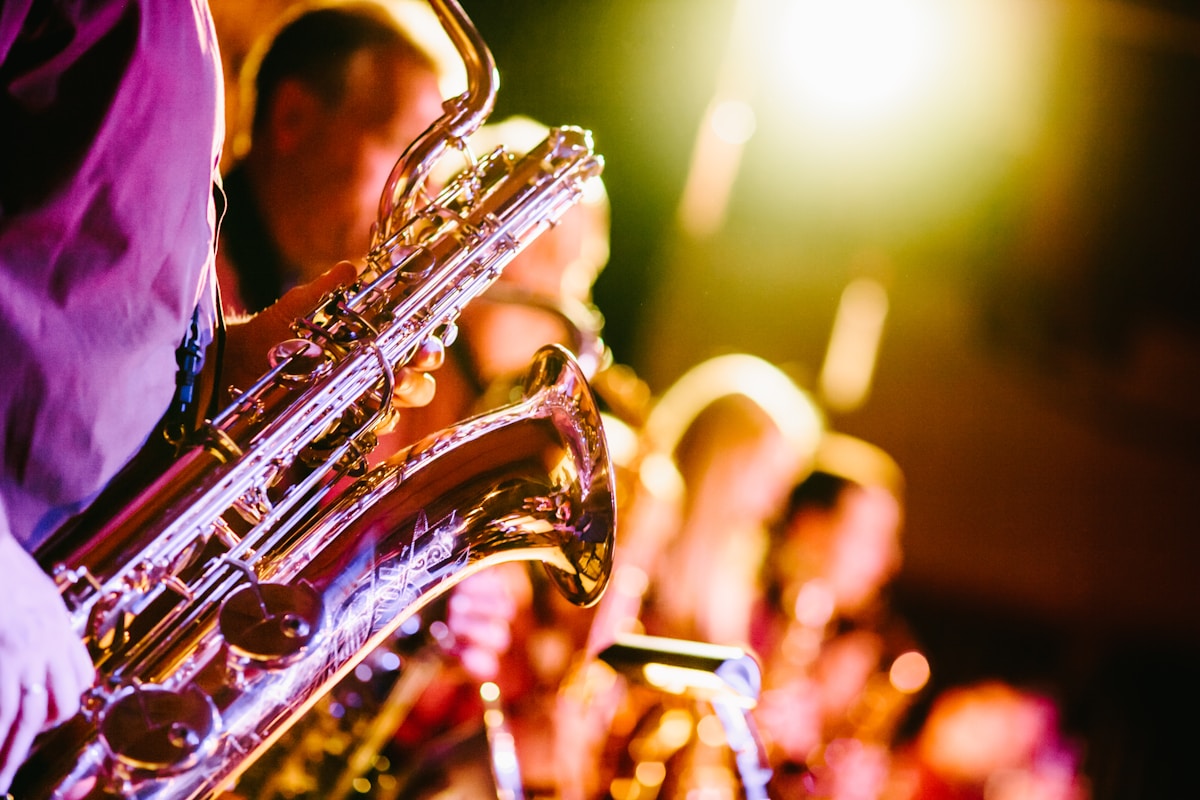
When I think of "jazz cities" in Japan, two cities come to mind immediately: Kobe and Utsunomiya. Kobe is well-known as expected, but you might not fully appreciate Utsunomiya until you visit in person. The first night I walked through the center of Utsunomiya, I heard saxophone music leaking from a café on Orion Street, piano trio sounds from the third floor of a building beyond, and two jazz bars lined up around the corner. Utsunomiya is rare even compared to Tokyo in the density with which jazz is woven into daily life. While browsing Tochigi's band member recruitment data on Membo, I think again: "People who can make music in this city are lucky." This article provides a thorough explanation of Tochigi's music scene, centered on Utsunomiya, for those who want to find band members in Tochigi Prefecture and those seeking musical companions across jazz, rock, and pop genres.
1. Introduction — The Musical Temperature of Utsunomiya
In my youth, I formed bands a few times in Tokyo, and stepped away from music in my 30s. When I picked up an instrument again in my 50s and started visiting live houses around the country, I realized that "the musical temperature differs drastically from city to city." Tokyo has intensity but is cold, Kansai is upbeat and audiences are lively. And Utsunomiya has a unique calmness. Jazz has been cultivated as a city culture for over 40 years, with the government, citizens, shop owners, and performers all engaged at the same temperature—one of the few cities where this happens.
The "Miya Jazz In" that began in 1974 takes place in the city center every November early, and has grown into the largest jazz festival in the North Kanto region, now attracting over one hundred thousand visitors (official guide). But the festival happens only once a year. What truly matters is that even on weekdays when there's no festival, there's a "daily reality" of live performances audible throughout the city. That's what I value highly about Utsunomiya.
If you're looking for musical companions in Tochigi Prefecture, especially in Utsunomiya, I strongly encourage you to make full use of this city's culture. Membo has band member recruitment postings from Tochigi every day, but I'd also strongly recommend visiting the city's live houses and jazz spots in parallel. I'll explain the reasons step by step throughout this article.
I also want to share something personal about Utsunomiya. The first time I heard a drum solo in this city was at BIG APPLE on the third floor of Hommaru Building. I climbed the stairs to the third floor, opened the door, and the shop owner and a dozen or so regulars looked at me all at once. It's a slightly frightening moment for a newcomer. But after sitting down and a glass of whiskey arrived, the performance began, and I was astounded by the skill of the piano trio playing that night. It was the same caliber as an established jazz club in Tokyo. Live music of this caliber happens daily in an obscure live house in a provincial city. For a moment, I was left speechless. When talking about Tochigi's music scene, this fact—"high standards in everyday life"—is what I want to convey above all.
2. Band Member Recruitment Explained — Basic Flow and Tochigi Characteristics
"Band member recruitment" means searching for members to perform music with. The basic flow is the same nationwide, roughly as follows.
- Decide recruitment criteria (genre, part, age, activity frequency, location)
- Post to or search recruitment services and message boards
- Receive applications and inquiries
- Exchange messages to confirm conditions
- Meet in person and rehearse at a studio
- If compatible, they join; if not, move to the next candidate
When putting this flow into practice in Tochigi, there are three characteristics to note. First, because the number of applicants is smaller than in major metropolitan areas, it's important not to make recruitment criteria "too narrow." Second, regions outside Utsunomiya (Ashikaga, Oyama, Tochigi City, Nasu-Shiobara, etc.) each have independent small music communities, so cross-regional activities require a car. Third, in the case of jazz, there's a functioning "real-world recruitment route" where simply showing up at Utsunomiya Jazz Association sessions or regular venues can generate job opportunities—a characteristic rarely seen in other prefectures.
Let me be more specific. In my 30s in Tokyo, I would post on member recruitment message boards with detailed conditions like "vocalist wanted, female in 20s, rock-oriented, hoping for 2 studio sessions per month." Dozens of applications would come in within days, but 90% were outside my criteria, and it took over half a year to find someone compatible. If you do the same thing in Tochigi, you won't get applications to begin with. Sometimes it's only 1 application in 3 weeks. That's why in Tochigi, rather than narrowing criteria, it's more realistic to first "broaden" them, then while meeting applicants, recalibrate your own priorities. In fact, half of my recent musical companions came from people I initially thought "the genre might not match," but ended up clicking with.
Another characteristic is that the age range is dramatically wider than in Tokyo. At Utsunomiya jam sessions, you'll see everything from 20-year-old music school students to 70-year-old veterans on the same stage. This is a major advantage—music works across generations in this city. I perform with a 20-something drummer who solos, and our connection continues. That's something I rarely found in Tokyo.
3. Five Ways to Find Band Members in Tochigi
I'll introduce five specific methods. I've used all of them. Each has different strengths, so using multiple in parallel is realistic.
3-1. Membo
Membo is a multilingual band member recruitment app I launched. It supports 8 languages including English, Chinese, Korean, making it easy for foreign musicians living in Tochigi to access. A unique feature is the ability to search by specific stations like Utsunomiya Station, Oyama Station, or Ashikaga City Station. While member numbers are still modest, this means it's currently an undercompetitive channel in Utsunomiya.
To be honest, Membo only launched in January 2026 and hasn't accumulated many posts from Tochigi yet. However, the "foreign musicians can view job postings in English" function is actually particularly powerful in a place like Tochigi where "foreign musicians drawn to the Utsunomiya jazz scene sometimes come to Japan." There's currently a layer of people unreachable by Japanese-UI-only sites. Membo was created to change that.
3-2. OURSOUNDS
OURSOUNDS is a web-based band member recruitment site where postings skew toward the Tokyo metropolitan area, though there are some from Tochigi Prefecture. Rock and pop recruitment seem relatively frequent. In Tochigi, postings center on Utsunomiya City, with several from rock bands aiming to perform at HEAVEN'S ROCK. Replies use the site's internal messaging system, so you can exchange information without exposing your email address.
3-3. Music365
Music365 is an established music community site characterized by a slightly older age demographic. Recruitment from amateur bands in their 50s and above appears relatively often, which suits my generation. In Tochigi, there are postings centered on Utsunomiya, and you occasionally see jazz and fusion recruitment. In my experience, contact through Music365 tends to be from "people my age who want to continue seriously," resulting in higher continuation rates than other sites. It's better for people wanting to maintain bands over 5-10 year spans rather than those seeking quick results.
3-4. music-square
music-square handles not just member recruitment but also equipment sales and studio information. The Tochigi Prefecture category has fewer postings, but listings tend to persist for extended periods, making it suitable for those wanting to search deliberately. While applicants are few, there are fewer mismatches.
3-5. with9
with9 is a free message board format with low registration barriers. Short-term session recruitment and single-song participation requests gather naturally. It's ideal for one-off requests like "want to perform once at a school festival" or "need a bassist for one wedding band appearance."
3-6. Real-World Recruitment Route (Secret Weapon)
Strictly speaking, this is a sixth method, but in Tochigi, it's the strongest. Regularly attending sessions at Utsunomiya Jazz Association member venues. As I'll explain later, Utsunomiya has bands formed by regulars themselves, and shop owners sometimes play matchmaker roles. Sometimes the real-world atmosphere matters more than online recruitment.
This route takes time but offers a privilege you can't replicate in Tokyo. In a case I know, a Kindaijin regular who attended for 3 years naturally assembled 4 members and eventually performed in the Miya Jazz In audition slot. "We could never have formed this lineup if we'd only posted online," the members said. In Utsunomiya, shops act as "selectors connecting people." That's the fundamental difference from other prefectures.
View Tochigi recruitment on Membo → Then also visit real-world venues in parallel—that's my recommended flow. Don't rush to decide; think in terms of 6 months to a year. That's the right way to engage with Tochigi's music.
4. Three Characteristics of Tochigi's Scene
4-1. Utsunomiya-Centric Concentration
To be frank, Tochigi Prefecture's music scene is heavily concentrated in Utsunomiya City. Of the prefecture's roughly 1.9 million people, about 500,000 are Utsunomiya residents, and most live houses, studios, and jazz spots cluster in downtown Utsunomiya (the area between Tobu Utsunomiya Station and JR Utsunomiya Station). This is both an advantage and a constraint. The advantage: "you can bar-hop multiple venues on foot." The constraint: "musicians outside Utsunomiya can't easily access the broader scene without coming to the city." Personally, the night I bar-hopped two venues in Utsunomiya was phenomenal, but participants from Ashikaga had early last trains pulling them away reluctantly.
Concretely, between JR Utsunomiya Station and Tobu Utsunomiya Station (about 20 minutes walk) are densely packed: 2 jazz spots, 7 jazz bars, 3 live houses, and 1 hall. It's comparable to covering the area from Shinjuku Sanchome to Shibuya Sakuragaoka on foot in Tokyo—exceptionally dense for a provincial city. More importantly, there are multiple parking lots in this area, so in car-dependent Tochigi, "drive, park, then bar-hop on foot" is easy. Unlike Tokyo, you don't need to rely solely on trains.
However, there are caveats. Most jazz spots peak from 7 PM onward on weekdays and 8 PM onward weekends, often ending after midnight. If driving, you must strictly avoid alcohol. If coming by train, consider staying at a hotel near Utsunomiya Station. I book business hotels near the station during Miya Jazz In. Bar-hopping 3-4 venues with next-day sightseeing is the most fulfilling approach.
4-2. Jazz City (Sadao Watanabe Birthplace, Jazz Fest, Shared Ticket Culture)
Utsunomiya officially positions itself as a "jazz city." The city is home to world-class jazz saxophonist Sadao Watanabe (born in Utsunomiya, graduated from Tochigi Prefecture Utsunomiya Technical High School) and jazz guitarist Haruhiko Takauchi (HARU) (also from Utsunomiya). The city pursues "jazz town development" as cultural policy (Utsunomiya City official).
The Utsunomiya Jazz Association, established in 2002, brings together jazz live houses, spots, bars, and halls in the city—around 15 venues coordinating. The multiple "Utsunomiya Jazz Cruising" events held yearly feature a unique system: buy a free pass and visit participating venues with no cover charge (advance ¥1,000, day-of ¥1,200. See official guide). This "shared music ticket culture" institutionalizes bar-hopping in a rare way.
This system is invaluable for audiences. Normally, jazz clubs charge ¥1,500-3,000 music charge plus ¥700-1,000 per drink; bar-hopping three places costs nearly ¥10,000. With a free pass, you can visit unlimited venues for ¥1,000-1,200. For performers, this creates "casual discovery" opportunities for new bands. It's ingeniously structured both economically and culturally.
Another critical fact: Utsunomiya has a separate "Utsunomiya Jazz Town Committee" (established 2001). This citizen-participatory organization runs "Miya-fureai Station Jazz" (mini-concerts in JR Utsunomiya Station) and school jazz outreach. The commercial sector (the Jazz Association) and public sector (the Committee) work in tandem, supporting the city's jazz ecosystem. City official sites (castle site) explicitly show this structure.
4-3. Kanto Access (Tokyo by Shinkansen in 50 Minutes)
JR Utsunomiya Station to Tokyo Station on the Tohoku Shinkansen is about 50 minutes. This is significant. Pro and semi-pro musicians active in Tokyo regularly make guest appearances in Utsunomiya. As far as I know, Tokyo and Utsunomiya jazz scenes exchange talent bidirectionally. Living in Tochigi and performing while making monthly Tokyo trips is realistic.
Shinkansen fares from Tokyo to Utsunomiya are ¥4,470 (unreserved on local trains like Nasuno/Yamabiko). Reserved seats run about ¥5,250; even at 4 round trips monthly, that's roughly ¥35,000. The rent difference between Tokyo and Tochigi (¥40,000-70,000 per month) easily covers it. What I call "hybrid base" strategy involves keeping Tochigi living costs down while commuting to Tokyo to broaden activity. The Utsunomiya Line (via Shonan-Shinjuku/Ueno Tokyo lines) also reaches Tokyo in about 100 minutes with Green Car supplement costing ¥980-1,000—a comfortable commute option.
I should also note: Utsunomiya to Haneda Airport by bus is roughly 3 hours, realistic for international tours and Okinawa expeditions. Base in Utsunomiya, no problem. Teaming with Northeast musicians means 75 minutes to Sendai by Shinkansen; linking with Kansai means roughly 3.5 hours via Tokyo. For provincial bases, Utsunomiya ranks among the strongest for access.

5. Introduction to Live Houses and Jazz Venues in Utsunomiya Center
Here are the main venues in central Utsunomiya, all verified through Utsunomiya Jazz Association or official booking sites.
| Venue Name | Location | Capacity | Characteristics | Official |
|---|---|---|---|---|
| HEAVEN'S ROCK Utsunomiya VJ-2 | Utsunomiya City Higashi-Shukugoh | ~300 (standing) | Center for rock, punk, visual-kei. Steps from Tobu Utsunomiya Station | heavensrock.com |
| BIG APPLE | Utsunomiya City Hommaru 13-19 Hommaru Building 3F | ~70 seats | Established 1998, veteran jazz live house. Amateur to professional | u-bigapple.site |
| BEAT CLUB STUDIO | Utsunomiya City Higashi-Hanekita 1-5-12 | Variable | Independent label operation, coordinated with local Tochigi radio show | ujazz.net |
| Kindaijin | Utsunomiya City Izumi-machi 1-9 | Counter-centered | Established 1960. Sacred site of Utsunomiya jazz scene | ujazz.net |
| BLUE・J | Utsunomiya City Honmachi 1-23 Honmachi Showa Building 3F | Counter + tables | Refined jazz bar. Live music weekends | ujazz.net |
| LIMOUSINE | Utsunomiya City Izumi-machi 2-19 Yamaguchi Rental Building 2F | Bar-scale | Jazz Association member jazz bar | ujazz.net |
| FREE FLIGHT | Utsunomiya City Higashi-Shukugoh 4-4-6 | Bar-scale | Jazz Association member, near JR Utsunomiya Station | ujazz.net |
| BRONCO | Utsunomiya City Odori 2-1-4 | Bar-scale | Jazz Association member. Along Odori Avenue | ujazz.net |
| SHERLOCK HOLMES | Utsunomiya City Naka-Imaizumi 1-6-18 | Bar-scale | Jazz Association member. Refined British ambiance | ujazz.net |
| CARAMEL STUDIO | Utsunomiya City Shimo-Kake-machi 850-1 | Variable | Hall and live house hybrid | ujazz.net |
Besides HEAVEN'S ROCK, jazz-focused venues predominate, though BIG APPLE and BEAT CLUB STUDIO often host amateur bands regardless of genre. For a debut live in Tochigi, HEAVEN'S ROCK (rock-oriented) or BIG APPLE (veteran jazz house, genre-open) are most approachable.
Let me elaborate on venue atmospheres. HEAVEN'S ROCK Utsunomiya VJ-2 is steps from Tobu Utsunomiya Station with solid PA, attracting visual-kei, punk, and metal crowds with Tokyo-level energy. BIG APPLE feels sit-down oriented, with jazz trios and vocal-piano duets as centerpieces. My first night there, the owner casually asked "First time here? Where from?" This is Utsunomiya's strength—first-timers don't stick out; the shop culture welcomes newcomers.
Kindaijin and BLUE・J are jazz spot-tier; Kindaijin is 1960-founded, the city's oldest jazz café where the master's stories are basically Utsunomiya jazz history. Record-listening nights alternate with live nights. BLUE・J is newer-style with cinematic lighting and weekend live music, suitable for dates. Bar-category venues (LIMOUSINE, BRONCO, FREE FLIGHT, SHERLOCK HOLMES, etc.) each have strong owner personalities; compatibility requires visiting. I personally favor SHERLOCK HOLMES's refined British calm.
BEAT CLUB STUDIO is unique: beyond live house function, it runs a self-label and coordinates with local Tochigi Broadcasting's radio program "We Are Music Friends" (Tuesday nights). Utsunomiya's sound reaches nationwide through local broadcast—a rare role for provincial live houses. Long-term artist activity in Tochigi significantly benefits from BEAT CLUB STUDIO's ecosystem. Radio inquiries are a path most regional venues lack.
5-1. Using the Utsunomiya Jazz Association Member Venue Map
Utsunomiya Jazz Association's official site (ujazz.net) publishes all member venues and monthly schedules. I always check schedules here before venue-hopping. "Tonight's drum-piano performance at that venue, tomorrow's session at this bar"—systematic touring is uniquely Utsunomiya.
Combining Membo's Tochigi recruitment with ujazz.net schedule checks as habit dramatically accelerates integration into Tochigi's music scene.
6. Live Houses Outside Utsunomiya (Ashikaga, Oyama, Tochigi City)
| Region | Venue | Location | Characteristics | Official |
|---|---|---|---|---|
| Ashikaga City | Ashikaga Live House Embassy | Ashikaga City Karishuku-machi 318-7 | Nearest Tobu Isesaki Line Ashikaga City Station. Rock-focused | live-taishikan.com |
| Oyama City | Jazz Dining Fellows | Oyama City 27-1 | Near JR Oyama Station. Jazz dining live format | g-fellows.jp |
| Sano City | Jazz Spot JAZZ (Yanagibashi Branch) | Sano City Sakae 3-2778 | JR Sano Station. Locally rooted jazz spot | @jazz listing |
While TIME'S CAFE serves as a Tochigi City live house within jazz scenes, official site verification currently has issues, so detailed listing is omitted. For actual visits, pre-call confirmation is wise.
The southern region (Ashikaga, Sano, Oyama) is more Tokyo-oriented via Tobu/JR lines, realistic for Tokyo commuters. The northern region (Nasu-Shiobara, Otawara) has fewer venues; activity there means Utsunomiya expedition.
Ashikaga Live House Embassy warrants more detail. Walking distance from Ashikaga Station with mid-scale capacity, rock-punk booking dominates. For regional Tochigi rock bands, combining Utsunomiya's HEAVEN'S ROCK and Ashikaga's Embassy creates a tour circuit image. Extending to Gunma (Maebashi, Takasaki) and Saitama (Kumagaya, Kawagoe)—1-1.5 hour drives—Embassy becomes a key North Kanto rock band touring hub.
Oyama's Jazz Dining Fellows deserves clarification: JR Oyama Station's jazz dining venue is more restaurant with performance space than traditional live house. Meals plus live music style. Jazz, bossa nova, fusion dominate. Sano's Jazz Spot JAZZ is a veteran small jazz venue, locally focused. Southern Tochigi's music centers on these three plus Utsunomiya access.
Northern areas (Nasu-Shiobara, Otawara, Nikko) have fewer music venues despite tourist prominence. Nikko's Kaki no Ki Kashiwa (@jazz listing) is a café-dining bar pairing tourism. Northern musicians essentially commute to Utsunomiya monthly.
7. Tochigi Practice Studios
Whether a band continues depends on whether practice studios are sustainable—my theory. Here are Tochigi's practically usable studios.
| Shop Name | Location | Price (Estimate) | Equipment | Official |
|---|---|---|---|---|
| LOVE SOUNDS | Utsunomiya City Nishi 1-2-3 | Band ¥1,500-¥2,400/h, solo ¥500/h | 4 studios. Marshall/Roland/Pearl/PDP standard. Recording studio and live house attached | hellodolly1999.com |
| Shimamura Guitars Utsunomiya Interpark Village Branch | Utsunomiya City Interpark | Band ¥1,980/h, solo ¥770/h (up to 2 people) | Marshall/Badcat/Roland, TAMA drums, full PA | shimamura.co.jp |
| studio JOIN | Utsunomiya City | Contact for details | Band practice available (see official for details) | studio-join.com |
LOVE SOUNDS is my recommendation. Pricing is reasonable, and the same building houses "Utsunomiya HELLO DOLLY" live house plus recording studio. Practice-recording-live all happen in one location—nowhere else in Tochigi offers this workflow. If I were Utsunomiya-based, this would be my launchpad. ¥1,500/hour band practice is half to one-third of most Tokyo studio rates; over a year of weekly practice, this difference reaches ¥100,000+. Long-term sustainability is significantly affected.
Four separately optimized studios (201, 202, 203, A, B) per-purpose is key. 201-202 suit bands, 203 suits DTM/recording, A-B specialize in band practice. Drums are Pearl/PDP, guitar amps Marshall and Roland. This caliber at these prices leverages provincial city advantages.
Shimamura strengthens through instrument sales store integration, immediate technical response during equipment troubles, and staff instrument consultation access. Located in the large Interpark Village commercial complex means free parking, ideal for musician families. Amps are Marshall, Badcat, Roland; drums are TAMA STARCLASSIC—higher-grade gear for pro aspirants. Pricing exceeds LOVE SOUNDS but equipment tier is superior. 24-hour web booking helps irregular schedules.
studio JOIN (studio-join.com) is another Utsunomiya band studio; confirm current details via official site. Long-term Tochigi activity means rotating between multiple studios—different availability by day/time makes rotating bookings stabilize weekly practice.
Utsunomiya municipal studios exist too; residents/employees/students access at ¥990/hour (tax-included), budget-subsidized so especially invaluable for beginners. Details appear on Utsunomiya City official civic activity facility information pages.
8. Tochigi Session and Jazz Venues
"Attend sessions before recruiting members"—this is my principle. Three reasons: first, you see playable musicians in real-time. Second, you befriend shop owners and regulars. Third, people hear your actual playing—information unattainable from recruitment text.
8-1. Utsunomiya Jazz Association Member 15-Venue Highlights
Utsunomiya Jazz Association includes jazz spots (Kindaijin, BLUE・J), bars (LIMOUSINE, CHARILU+, BRONCO, FREE FLIGHT, INDULZ DREAM, GORGE, SHERLOCK HOLMES), and halls/live houses (BIG APPLE, BEAT CLUB STUDIO, CARAMEL STUDIO), etc. (official reference).
Session frequency varies per venue, but Kindaijin and BIG APPLE especially standardize jam nights. Check the association's official schedule page for latest info.
8-2. Miya Sunset Jazz
Besides fall's Miya Jazz In, Utsunomiya hosts summer's "Miya Sunset Jazz" (official). Outdoor evening jazz event with pro-to-amateur performers. Aspiring band performers should attend first as audience to grasp atmosphere.
8-3. Session Etiquette Essentials
Jazz sessions have unique rules; newcomers inadvertently breaking them get cold stares. I've been corrected by shop owners multiple times in my youth. Tochigi sessions follow standard rules, but please observe these minimums:
- Always greet upon arrival. Tell shop owner/host "I'd like to join the session"
- State key clearly for tune requests. "Autumn Leaves, original key (Em)" leaves no ambiguity
- Don't solo too long. 2-3 choruses max. Hogging is frowned upon
- Back other soloists. Silent listening or empty playing is unacceptable
- Rhythm section is especially valuable. Participating as drums/bass means high demand
- Order food/drink without fail. Cover-only residency violates etiquette
These are nationwide norms, but Tochigi sessions especially value "polite people," I've found. Enter politely once and you're cherished long-term.

9. Tochigi-Born and Related Artists
Tochigi surprisingly produces musicians. Here are the major ones to my knowledge, all Wikipedia or official-site verified.
| Artist | Origin/Connection | Activity Field | Reference |
|---|---|---|---|
| Sadao Watanabe | Utsunomiya City | Jazz saxophonist. World-class performer | Wikipedia |
| Haruhiko Takauchi (HARU) | Utsunomiya City | Jazz guitarist. NY-based active | Utsunomiya Jazz Association |
| Kazuyoshi Saito | Shimotsuga District Mibu Town | Singer-songwriter. "Yasashiku Naritai," "Aruite Kaero" | Wikipedia |
| Tatsuo Sakiyama | Sano City | Spitz drummer | Wikipedia |
| Kyogo Kawaguchi | Tochigi Prefecture | Singer-songwriter. "Sakura" | Wikipedia |
Sadao Watanabe (born 1933, Utsunomiya Technical High School grad) went to Tokyo, studied at Berklee from 1962, returned 1965, and anchored Japan's jazz scene. His Utsunomiya origins are fundamental to the city's "jazz city" identity.
Kazuyoshi Saito (debuted 1993) is rock-and-roll rooted singer-songwriter from Mibu Town, Shimotsuga District. Tochigi youth grew up hearing Saito and formed bands afterward.
Tatsuo Sakiyama (born 1967, Sano City, Sano High grad) played drums from high school, joined Spitz in 1987 via Bunka Fashion College connections. When Japan rock history discusses Spitz's drummer, this person's Tochigi origins deserve pride.
Haruhiko Takauchi (born 1954, Utsunomiya) majored in oil painting/printmaking at Tokyo Zokei, then pursued jazz guitar, studied under Kazumi Watanabe two years, moved to America, and sessioned with Jaco Pastorius, Mike Stern, Wayne Shorter, and other jazz giants. NYC-based 40+ years, world-renowned. Utsunomiya official sites list him alongside Watanabe as "jazz city" symbol.
Kyogo Kawaguchi (born October 1, 1974) is singer-songwriter famous for 2003's "Sakura." Tochigi spawned cross-generational, genre-diverse musicians: singer-songwriters, rock, jazz.
Also know Tochigi Prefecture Culture Promotion Association's "Tochigi Artist Bank" (local musician registry). Numerous musicians register, becoming connection points for Tochigi-active musicians. Tochigi long-term activity benefits from knowing such local systems; unexpected opportunities arise.

10. Miya Jazz In Detail
Miya Jazz In is North Kanto's largest jazz festival. Starting 1974 with 50+ year history, it occurs early November, Saturday-Sunday annually in downtown Utsunomiya, 2025 being November 1-2, 10 AM to 7:20 PM (official guide).
Venues span Orion Square, Tobu Utsunomiya Department Store 6F rooftop, Orion Street event plaza, and multiple city stages. Walk between stages while absorbing cross-generational jazz—unique experience. Most stages are free.
Related to Miya Jazz In, Utsunomiya Jazz Cruising happens 3 times yearly (May, August, November) featuring "free pass" systems: ¥1,000 advance/¥1,200 day-of passes mean unlimited venue jazz with zero cover. This "shared music ticket" institutionalizes bar-hopping—Utsunomiya's symbolic approach.
If you search for Tochigi band members, Miya Jazz In attendance is mandatory as audience. Accessing the city's temperature before targeting stage performance is critical.
Miya Jazz In's hidden charm: diverse lineups. Regional and external pro/semi-pro/amateur mixes perform simultaneously across outdoor and rooftop stages. Audiences pace themselves discovering preferred acts. My two attendances saw initially-unplanned bands become highlights. That's festival magic.
Targeting performance, Miya Jazz In sometimes has amateur audition slots; check official (miyajazz.jp) around May-July yearly. Amateur acts can perform if selected. A Utsunomiya Jazz Association three-year session regular I know got his trio onto the outdoor stage, ultimately landing Miya Jazz In. "That moment was my best musical memory," he said. That's Tochigi's promise.
Additionally: Miya Jazz In period means hotel scarcity. Early booking is essential. While day-trips via Shinkansen are possible, two-night stays letting you explore evening bars are most fulfilling. Potentially meet Membo Utsunomiya recruitment candidates face-to-face—festival timing is optimal.
11. Member Recruitment Service Comparison
| Service | Cost | Multilingual | Map Search | Tochigi Posts | Strengths |
|---|---|---|---|---|---|
| Membo | Free | 8 languages (JP/EN/ZH/KO/VI/ID/HI) | Yes (station-specified) | Moderate-Low | Foreign speaker support, mobile-optimized, modern UI |
| OURSOUNDS | Free | Japanese only | Name filters | Moderate | Rock/pop applicant volume |
| Music365 | Free | Japanese only | Prefecture | Moderate | Slightly older demographic, mature bands |
| music-square | Free | Japanese only | Prefecture | Low | Long post durations, equipment sales too |
| with9 | Free | Japanese only | Prefecture | Moderate-Low | Lightweight recruitment ideal |
Membo's unique multilingual interface and mobile clarity offer irreplaceable advantages. I created Membo because existing sites overly optimized for "Japanese male rock bands," making it difficult for foreign musicians, women, and jazz/classical-leaning players to recruit effectively. Especially in "jazz-land" Tochigi, Membo's design philosophy shines.
On combining services: if I were forming a Tochigi-based band, I'd post "jazz bass, Utsunomiya, 2 studio sessions/month, English OK" to Membo, then duplicate on OURSOUNDS and Music365. Same text works (no need to customize per platform). Message incoming applicants asking age/experience/favorite artists/residency. Good candidates get a meet-up, then studio session. Service differences appear in applicant demographics and reply speed. Membo skews foreign/female-heavier, Music365 skews 40-60 male, OURSOUNDS skews 20-30 male rock. For Tochigi jazz/bossa want, Membo+Music365 combo is most efficient.
12. Tochigi vs. Tokyo vs. Sendai — Three-Region Comparison
| Item | Tochigi (Utsunomiya) | Tokyo | Sendai |
|---|---|---|---|
| Practice Studio Cost (band/h) | ¥1,500-¥2,400 | ¥3,000-¥6,000 | ¥2,000-¥3,500 |
| Live House Performance Fee (estimate) | ¥3,000-¥10,000 | ¥10,000-¥30,000 | ¥5,000-¥15,000 |
| Live House Count (central) | ~10 venues | 100+ venues | 20-30 venues |
| Jazz Venue Sophistication | ★★★★★ (15-venue network) | ★★★★★ | ★★★ |
| Shinkansen to Tokyo | ~50 min | — | ~90 min |
| Rent (1K apt) | ¥40,000-60,000 | ¥80,000-130,000 | ¥50,000-70,000 |
This table comes from multiple studio/live house public rates. The critical point: Tochigi's cost/scene-richness balance beats Tokyo and Sendai combined. Rent is More bluntly: ¥13/month Tokyo rent + ¥8/month music activities = ¥21/month. Same in Tochigi: ¥5 rent + ¥4 music = ¥9/month. ¥12/month gap available for car loans, instrument upgrades, savings—expanded life options. Sixty-year-olds like me restarting music found Tochigi's affordability enabling what Tokyo couldn't. I'd never continue without that shift. Versus Sendai: Utsunomiya excels in jazz sophistication. Sendai emphasizes rock, pop, band music—less institutionalized jazz policy, association, festival, shared ticketing. Sendai's winter cold significantly strains music sustainability versus Tochigi's milder winters with frequent sunny days. Musicians with cold-region experience understand this impact. I recommend posting on Membo, then visiting real venues in parallel. "Hybrid base" strategy—Tochigi living, Tokyo commute—maximizes both stability and growth. "Direct email apply" loses to "attend as audience, get known, then approach." I'd have moved much faster in my 30s knowing this. At performance negotiation, confirm four points: "ticket quota existence/amounts," "PA cost burden," "rehearsal time/count," "merchandise allowed/banned." Tochigi live houses are relatively kind on quotas, but verification is mandatory. BIG APPLE and veteran jazz houses typically have soft quotas (performance fee only suffices), while HEAVEN'S ROCK rock venues may impose some (ticket bundles). Always pre-confirm. Debut setlist standards are 40-50 minutes. Opening slot might be 15-20 minutes; construct 5-6 songs with encore flexibility. Keep MC brief; focus on the music. Standard everywhere—Tochigi included. Estimates vary individually, but critically: Tokyo equivalent runs ¥80,000-120,000/month; Tochigi achieves ¥30,000-60,000. Including living costs, Tochigi wins decisively. Fifty-sixty year-olds restarting music find provincial Tochigi more sustainable than Tokyo. This is lived experience. Finding one person in 3 months is good. Tochigi's small volume differs from Tokyo's "drummer settled in 3 days." But members found slow-built endure 5x longer than Tokyo quick-matches—my experience-based rule. About reply text construction: Tochigi applicants judge "sincerity visible on the page" highly. Most effective structure: This much text conveys sincerity. Bad: "Bass, thanks" one-liner or "¥XX income minimum" condition-first messages. Tochigi values politeness over Tokyo's speed. This is Tochigi's greatest activity advantage. Cities officially "jazz-branded" with coordination between association, citizens, and government are rare. Whether rock or pop, riding this cultural wave broadens worldview. I'd never have gained this in Tokyo. Jazz demands "real-time dialogue with others" technically. Reading chord changes instantly, syncing rhythm, reacting to partner phrasing. Mastering this deepens any genre. Tochigi's long-term engagement—the city breathing jazz—naturally expands every player's toolkit regardless of genre. That's small-city strength. Tokyo: 10 performers met monthly, remember 1 after 6 months. Tochigi: 3 performers met quarterly, all 3 drinking buddies 3 years later. That's provincial music truth. Choose "bonds" over "numbers." Sixty now, I feel this is absolutely correct. Exploit that 50-minute Shinkansen access. Tochigi-base with 2-4 Tokyo trips monthly is realistic. This "hybrid base" strategy leverages both Tochigi continuity and Tokyo stimulus. Both matter. Concretely: Shinjuku, Shibuya, Shimokitazawa live houses; Aoyama, Roppongi jazz clubs; Jimbocho jam sessions. Monthly Tokyo visits while Tochigi-based makes you a "hub"—connecting provincial networks to central ones. This is hidden provincial musician advantage. You become the person Tokyo musicians visit. Tochigi has inland climate: cold mornings, frequent sunny days. Snowfall in Utsunomiya central is rare (several times yearly). Summers hit 37-38°C. Studios/live houses have AC, but gear transport summer heat requires planning. I once left guitar amp in car during summer; nearly damaged the tubes. Temperature-manage gear storage. Typhoon season (August-September): live cancellations and postponements happen. Miya Sunset Jazz has indoor backup venues but sometimes day-of announcement. Follow organizer SNS to catch updates. Tochigi music activity centers overwhelmingly on downtown Utsunomiya: 15-venue Jazz Association network, live houses, practice studios, 50-year jazz festival run by city, shared free-pass bar-hop culture, 50-minute Shinkansen to Tokyo. Few nationwide provincial cities match this package. In youth, I formed Tokyo bands; 30s, I quit. 50s, I restarted. Upon visiting Utsunomiya, I felt 30 again. "Jazz city" isn't tourism fluff—it's genuine culture. Tochigi music starters should absolutely ride this wave. Membo exists to help. See Tochigi recruitment, message promising matches, attend Utsunomiya jam nights, eventually take the stage. My 60s joy: watching you perform from the audience. If this article inspires one person to start Tochigi music, it succeeds. Articles teach unknown options. I'd have moved faster with such guidance at 50. Writing now feels right. Article info as of April 2026 is officially site-verified, but venues, rates, schedules change. Always pre-visit confirm current details via official or direct contact. Yet "Utsunomiya is genuine jazz city" endures—I'm convinced. A. Honestly, no single site is definitive. Parallel register Membo + OURSOUNDS + Music365 realistically. Membo's multilingual and map search beat others; station-specified Utsunomiya recruitment gets better response. A. Varies per venue, but Kindaijin and BIG APPLE often welcome amateurs. Tell shop owner "first time, still beginner." Pre-study 2-3 jazz standards (Autumn Leaves, All The Things You Are) for safety. A. ~2km, 20-25 minute walk. Live venues cluster toward Tobu side, so JR arrivals prefer bus/taxi. Frequent municipal bus service prevents inconvenience. A. Membo (8-language) reaches Tochigi-resident foreigners better than OURSOUNDS/Music365 (Japanese-UI only). Membo's founding reason was exactly this. A. Spend 3 months visiting Utsunomiya Jazz Association venues (BIG APPLE, Kindaijin, BLUE・J, LIMOUSINE, etc.); attend 2x/month sessions. Simultaneously post "jazz piano," "jazz bass" to Membo. Real-world + online dual-track works best for Tochigi jazz. A. From personal 50-restart experience: far easier than Tokyo. Three reasons: lower cost-of-living lets you fund music. Wider age demographics mean you're not out-of-place. Rich jazz scene supports "adult music." Studio fees half Tokyo's ensures continuation. Fifty-sixty year-olds restarting should seriously consider Tochigi. A. Check Utsunomiya Jazz Association site (ujazz.net) schedule monthly, Miya Jazz In official (miyajazz.jp) quarterly, follow venue SNS accounts, and review Membo Tochigi weekly. Covers both jobs and venues. A. Utsunomiya hosts 50+ year Miya Jazz In and 15-venue network with shared free-pass culture—North Kanto's unmatched concentration. Sadao Watanabe and HARU's legacy plus city "jazz town" policies mean higher live frequency and audience sophistication than most prefectures. Membo's Tochigi category reflects jazz's equal standing with other genres. A. Women players remain scarce nationwide, but Utsunomiya jazz comparatively favors female participation. Festival/session organizers intentionally encourage women. Membo lacks gender filters but posting "female vocalist sought" draws response. A. Already owning instruments and restarting = essentially free first month. First month: ~¥10k studio, ~¥5k two audience visits = ~¥15k total. Full gear setup (electric bass + amp + case) = ¥100,000-150,000; personal practice electric drums = ¥50,000-100,000. Tochigi's used instrument market is reasonable; Utsunomiya secondhand shops and Hard Off yield bargains. A. "Go yourself" matters most. Attend sessions, apply online, visit new-band live events as audience. Tochigi musicians welcome polite people; sincerity draws community. "Wait for invitation" fails; "actively move" always builds friendships. Anyone can join. Related Articles: The 47-Prefecture Series is currently at Vol. 6. Vol. 1 (Tokyo), Vol. 2 (Osaka), Vol. 3 (Nagoya), Vol. 4 (Gifu), Vol. 5 (Ehime) also available. This Article's Recruitment Path: View Tochigi Band Member Recruitment on Membo13. Five Steps to Your First Utsunomiya Live
14. Monthly Cost Breakdown for Tochigi Band Activity
Item
Frequency
Monthly Estimate
Practice Studio (1x/week × 3h × 4 weeks)
4x/month
¥18,000-¥28,000
Live Performance Fee/Quota
1x/month
¥3,000-¥10,000
Equipment/Consumables (strings, sticks, etc.)
Monthly average
¥2,000-¥5,000
Session Participation (Jazz Association member venues)
2x/month
¥4,000-¥8,000 (cover + drink)
Transportation/Gas (car-based)
Monthly average
¥3,000-¥8,000
Total
—
¥30,000-¥60,000
15. Five-Step Tochigi Band Member Finding Process
16. Three Mindsets for Sustaining Tochigi Band Activity
16-1. Leverage "Utsunomiya Jazz City" Cultural Asset
16-2. Convert "Small Numbers" to "Deep Bonds"
16-3. Don't Abandon Tokyo
16-4. Ally Seasons and Weather
17. Summary — Ride the "Jazz City Utsunomiya" Cultural Wave
18. FAQ
Q1. Which Tochigi band recruitment site gets most people?
Q2. Can beginners join Utsunomiya Jazz Association sessions?
Q3. Walking distance between JR and Tobu Utsunomiya Stations?
Q4. How to team with English-speaking foreign musicians in Tochigi?
Q5. Starting a jazz band in Tochigi: where begin?
Q6. Is 50+ band debut in Tochigi realistic?
Q7. How to stay current on Tochigi music?
Q8. How does Utsunomiya jazz differ from other prefectures?
Q9. Female vocalist/bassist/drummer recruitment in Tochigi?
Q10. Starting Tochigi band activity: initial investment?
Q11. How to befriend Tochigi musicians?