Kanazawa: A City Where the Kaga Million Stone Legacy Cultivated Sound
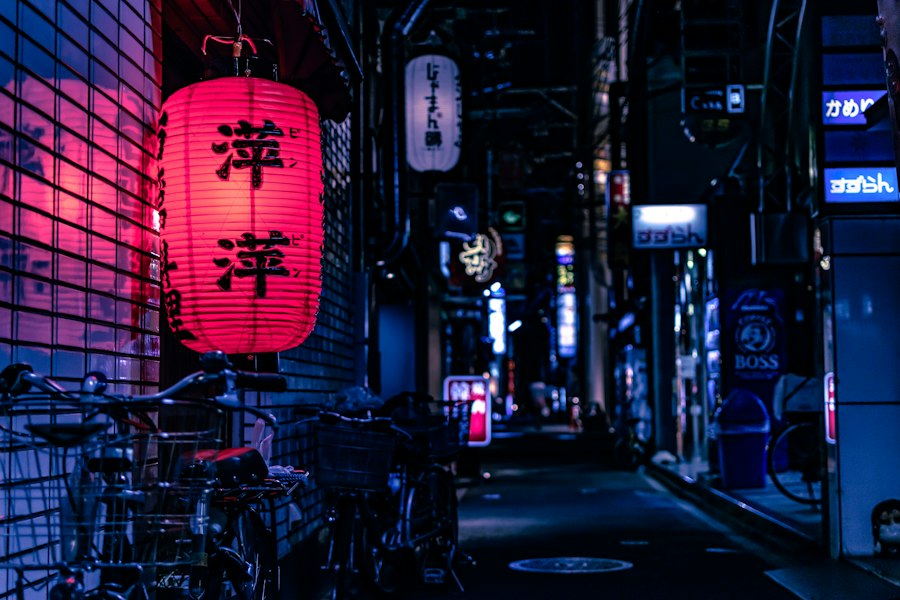
When you start looking for band members in Kanazawa, the first thing you notice is that "the musical layer is surprisingly thick for a city of this size."
Developed as the castle town of the Kaga Million Stone domain, Kanazawa has a deep tradition of "sound" woven into daily life through Noh theater (Kaga Hounshou), court music, and tea ceremony. Just beside the "walkable cultural area" centered on the 21st Century Museum of Art and Kenrokuen Garden stands a legendary jazz venue that opened in 1971, and in the bustling Katamachi and Korinbo shopping districts sits a rock mecca that has operated since 1981.
The Noto Peninsula earthquake on January 1, 2024, and the extension of the Hokuriku Shinkansen to Tsuruga in March 2024—Ishikawa's music scene has weathered trials and transformation as it enters 2026.
What is Band Member Recruitment?
Band member recruitment refers to the activity of searching for performers in the parts needed to form or continue a band (guitar, bass, drums, vocals, keyboard, etc.). There are two scenarios: when an existing band is recruiting to fill a vacancy, and when people are at the stage of looking for others to start a band together.
In Ishikawa Prefecture, the five main methods for recruitment and application are: ① dedicated platforms (such as Membo) ② in-person meetings at live houses ③ SNS posts ④ bulletin boards at music instrument stores ⑤ public music venues like Kanazawa Citizens' Art Village. Since each has different characteristics, it's practical to combine multiple approaches.
Katamachi and Korinbo — Sacred Ground of Rock
The area stretching from Katamachi to Korinbo, Kanazawa's bustling commercial district, has long been a hub supporting the Hokuriku rock, metal, and hardcore scenes.
Kanazawa AZ (107 Uroko-cho, Kanazawa) is a mid-sized live house with a capacity of approximately 300, featuring 100 seats. With an attached studio and comprehensive sound support, it's favored by rock bands and singer-songwriters alike. Located within walking distance of the Katamachi scramble crossing and known for its accessibility, it has become a standard touring venue for bands from outside the prefecture.
Kanazawa EIGHT HALL (1-6-10 Katamachi, Kanazawa) boasts one of Hokuriku's largest capacities at approximately 500 people and frequently hosts major artists. Located in the heart of Katamachi, the venue's location—where attendees can walk directly into the nightlife district for afterparties—has fostered deep networking among performers.
Kanazawa vanvanV4 (1-21-12 Kikukawa, Kanazawa) is a long-established venue that opened in 1981 and is known as a hub for rock, hard rock, and hardcore across Hokuriku. With three practice studios attached, both live performances and practice can be accomplished in one location—a major advantage. It has often served as "the first practice space" for local bands, and the intergenerational community thrives there today.
The Lineage of Kanazawa Jazz
Jazz is another face of Kanazawa. Just near the 21st Century Museum of Art and Kenrokuen Garden stands a venue called the sacred ground of jazz.
Mokkiriya (Kanazawa MOKKIRIYA) (3-6 Kakikibatake, Kanazawa) is a jazz café and live house that opened in 1971 and has remained the center of Kanazawa's jazz scene for over half a century. Both domestic and international jazz musicians perform here, and the intimate proximity between stage and audience makes it a special presence among jazz enthusiasts as a place to experience sophisticated performances.
Every September, Kanazawa transforms into a jazz festival. Kanazawa Jazz Street 2026 will be held over three days—September 19 (Saturday), 20 (Sunday), and 21 (Monday, national holiday) 2026—with the pre-party on the 18th (Friday). Multiple venues throughout the city simultaneously become live venues, offering everything from free street live performances to paid formal stage concerts, featuring jazz and diverse musical performances that color the city.
Kanazawa Jazz Street functions as a meeting place for jazz players. Not only performers but also audience members regularly approach musicians they find interesting—this is normal practice in Kanazawa.
Kanazawa Citizens' Art Village — A 24-Hour Civic Music Hub
Essential to discussing Kanazawa's music scene is the existence of the Kanazawa Citizens' Art Village (1-1 Yamato-cho, Kanazawa).
The Art Village's Music Workshop (PIT4) operates as a 24-hour civic music hub, equipped with five practice studios in addition to a central stage studio. Because it's run by the city, usage fees are relatively affordable, and it accommodates a wide range of activities from band practice and recording to small-scale live performances.
It's barely an exaggeration to say that almost everyone in Kanazawa who performs in a band has used the Citizens' Art Village. Band members often become familiar with other bands practicing at the same time, and these connections frequently develop into jamming sessions or new band formations. It's characteristically Kanazawa that a publicly-maintained cultural facility has organically become the hub of the local music community.
The Hokuriku Shinkansen and the Music Scene After 2024
In March 2024, the Hokuriku Shinkansen extended to Tsuruga. This significantly improved access from the Kansai region to Kanazawa, making it easier to facilitate tours by Kansai bands and performances by Kansai artists.
Meanwhile, the Noto Peninsula earthquake on January 1, 2024, left its impact on Ishikawa's music scene. Some cultural facilities in the Noto region remain in recovery, and restoration efforts continue. Nevertheless, live houses and music events in Kanazawa have continued operating since 2024, and the Million Stone Music Festival (Million Rock Festival) has been held annually in June at the Ishikawa Prefecture Industrial Exhibition Hall. In 2026, it is scheduled for June 6 (Saturday) and 7 (Sunday) across two days, with a lineup of approximately 80 acts.
With the shinkansen opening and the festival's continuation—Ishikawa's music scene, while weathering trials and periods of transformation, is preparing to welcome new layers to the scene in 2026.
Around Kanazawa Station — Music Stores and Practice Studios
Just a one-minute walk from the east exit of JR Kanazawa Station, Shimamura Gakki Kanazawa Forum Store (5F Kanazawa Forum, 3-1 Horikawa-shincho, Kanazawa) is Hokuriku's largest comprehensive music instrument store, handling all major instruments including guitar, bass, drums, and keyboard. With an attached rental studio and music school, people coming to try instruments cross paths with those coming for practice.
For practice studio options beyond the Citizens' Art Village, +MUSIC Kanazawa (9-19 Nakamura-cho, Kanazawa) is another option. Located in central Kanazawa, it offers hourly rental of piano and session rooms, with live performances also possible in the lobby.
Some music stores handle member recruitment information on their in-store bulletin boards or SNS accounts. Particularly at large stores like Shimamura Gakki, bands sometimes form through connections between music school students.
Five Ways to Find Band Members in Ishikawa
1. Recruit and Apply Through Membo
Membo is a platform specializing in member recruitment for bands, theater, and clubs, with recruitment information registered for Ishikawa Prefecture as well. You can narrow searches by area, part, and genre, making it efficient to find matches for specific needs like "looking for a bass player who can work in Kanazawa" or "need a jazz-oriented drummer."
On the application side, registering your profile and publicly sharing what kind of music you want to play allows you to receive scout offers from bands. In regional areas with less competition, simply being registered increases the likelihood of successful matches.
2. Build Your Reputation at Live Houses
In Kanazawa's live houses, bill-splitting format live performances happen regularly. By performing with your own band, you naturally become acquainted with members of other bands. If you think "that band's guitarist has a similar style to us," it's normal in Kanazawa to approach them after the show.
A good approach is to search for Ishikawa bands using Membo's recruitment search, check their activity area and vibe, and then reach out.
3. Frequent Kanazawa Citizens' Art Village
The Music Workshop at Kanazawa Citizens' Art Village is the biggest meeting point for Kanazawa musicians. It's not uncommon for members of different bands who practice at the same time to become acquainted, leading to jamming sessions or new band formations.
Since Citizens' Art Village is open 24 hours, you can visit regardless of time preference—late weekday nights or early weekend mornings. The situation of "every time we practice, the same band uses the studio next to us" nurtures relationships.
4. Network at Kanazawa Jazz Street and the Million Stone Music Festival
Kanazawa Jazz Street every September and the Million Stone Music Festival in June bring Ishikawa's entire music community together. While it's ideal to participate as a performer, even attending as an audience member and approaching musicians can lead to future connections.
Jazz Street especially features many free street performances that are easy to drop by. Addressing a performer whose music interests you is not unusual in Ishikawa.
5. Use SNS and Local Community
Searching hashtags like "#金沢バンドメンバー募集" and "#金沢ライブハウス" on Twitter (X) and Instagram reveals actively recruiting bands and musicians. In smaller cities, you can easily see who's posting, and direct DM connections from SNS are common.
For finding foreign musicians, Reddit's r/japanmusic and Facebook music communities in the Hokuriku region are effective options. With many foreign tourists in Kanazawa, a band that can communicate in English has a built-in advantage.
Music Scene Characteristics by Area
| Area | Primary Genres | Characteristics | Access |
|---|---|---|---|
| Katamachi and Korinbo | Rock, Metal, Hardcore | Concentrated live houses integrated with commercial district | 10 minutes by bus from Kanazawa Station |
| Kakikibatake and 21st Century Museum Area | Jazz | Established jazz culture centered on Mokkiriya | 15 minutes by bus from Kanazawa Station |
| Kanazawa Citizens' Art Village | All Genres (Practice Hub) | 24-hour civic music venue | 10 minutes by car from Kanazawa Station |
| Around Kanazawa Station | (Instrument Purchase and Trials) | Major music instrument stores like Shimamura Gakki | Walking distance from Kanazawa Station |
| Noto Region | Local Community and Traditional Music | In recovery, cultural facilities in reconstruction phase | 2 hours by car from Kanazawa |
Finding Companions in Ishikawa on Membo
Ishikawa Prefecture has a population of approximately 1.1 million, with Kanazawa at approximately 460,000, yet the density of the music scene exceeds what the population would suggest. Membo allows you to search by filtering parts (guitar, bass, drums, vocals, etc.), genre, and activity area, making it possible to search with specific conditions like "looking for a drummer who can work in Kanazawa" or "want jamming partners in Noto."
Additionally, using the push notification feature lets you immediately receive alerts for new recruitment postings matching your criteria. In smaller cities where new postings aren't as frequent as in Tokyo, this responsiveness becomes critical.
Membo User Reviews and Feedback
Membo is still in its growth phase and doesn't have as many registered users as major platforms. However, in regional cities like Ishikawa, where competing platforms aren't as densely present as in Tokyo or Osaka, simply registering with Membo increases the probability of successful matches.
In particular, Membo's 5-language support is a significant advantage in Kanazawa. With many foreign tourists, there are numerous foreign musicians who can only search in English. Recruitment sites in Japanese alone won't reach them, but Membo was designed to bridge this gap.
There are success stories like "a Kanazawa jazz musician messaged me after I registered," but also accounts of "it took several weeks to make a match." The realistic approach is to use multiple methods in parallel without rushing.
Membo Compared to Other Methods
| Method | Advantages | Disadvantages |
|---|---|---|
| Membo | Condition-based search, 5-language support, accessible to foreigners | User base still developing |
| Live Houses | Can directly assess musical compatibility | Requires time and transportation costs |
| Citizens' Art Village | 24-hour access, city-operated reassurance | Depends on chance meeting during practice schedules |
| SNS (X/Instagram) | Free, easier to see who's posting in regional areas | Response quality varies |
| Music Store Bulletin Boards | Community-focused, direct musician contacts | Information sometimes outdated |
Ishikawa is a regional city, but the depth of musical culture nurtured by the Kaga Million Stone legacy is substantial. Membo's strengths are its 5-language support enabling reach to foreign musicians and its ability to conduct condition-based searches. The more specifically you narrow criteria—like "Kanazawa city, jazz-oriented, keyboard"—the more precise your matches become.
Walking the streets of Kanazawa, you'll hear Noh chants in alleyways and jazz drifting from a Kakikibatake shop. In Katamachi, rock band instruments are being carried. A band started with friends you met in Kanazawa might someday be written into the city's musical history—such possibility lies embedded in this city's sound. Start by searching for Ishikawa members on Membo.
If you want to explore other Hokuriku areas, check out the articles on Niigata and Gifu. For major metropolitan areas, we also have articles on Tokyo, Osaka, and Nagoya.