Kyoto Isn't Just an "Ancient Capital" — Where Student Culture and Historic Sake Breweries Create a Unique Music Scene
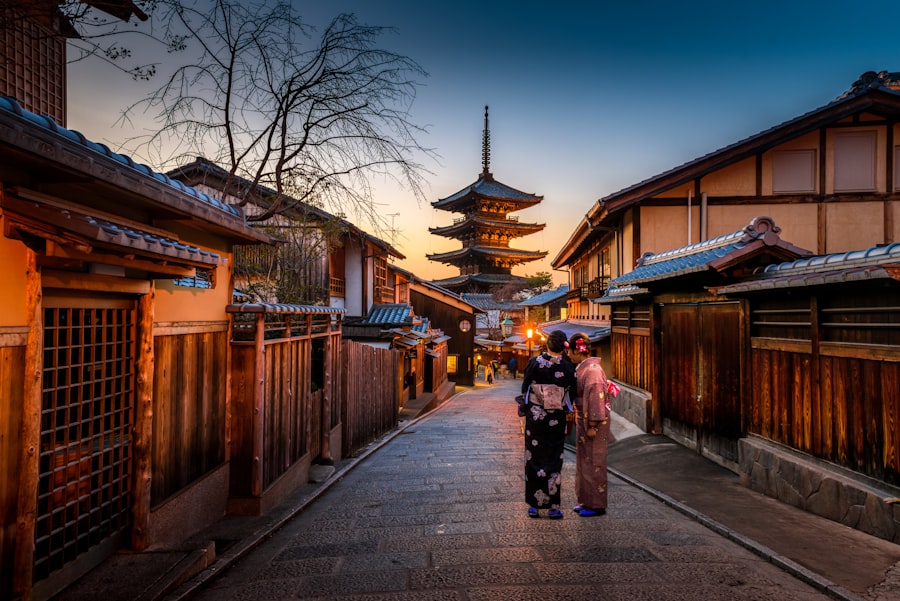
If you're looking for band members in Kyoto, there's one thing I want to tell you first. Behind tourists' image of Kyoto as a city of temples and shrines lies one of Japan's most unique music scenes.
There is only one city in all of Japan where two live houses have been converted from century-old sake breweries: Kyoto. Takutaku, opened in 1974, and Shittoku, opened in 1973—both are housed in historic sake warehouses nearly 300 years old, and have been hosting music for over 50 years. The soft reverberations created by wood and earthen walls that concrete boxes can never produce are the original sound of Kyoto.
And there's one more thing that makes Kyoto special: the presence of students. Universities including Ritsumeikan, Doshisha, and Kyoto University are densely packed together, and new bands are born from light music clubs every year. CURLy is from Ritsumeikan, 10-FEET hails from Kyoto. This city has a cycle where "young impulses pour into traditional vessels."
This article provides a thorough explanation of concrete ways to find band members in Kyoto, along with live house and rehearsal studio information organized by area. Combined with our area-by-area guides for Tokyo, Osaka, and Nagoya, our Osaka guide, and our Kobe guide, you'll have complete coverage of the Kansai music scene.
5 Methods to Find Band Members in Kyoto
First, let's organize the concrete methods for finding band members in Kyoto.
1. Use Member Recruitment Sites and Apps
This is the easiest and most efficient method. With Membo, you can filter band member recruitment listings by Kyoto Prefecture or Kyoto City and view them all at once. You can specify genre, instrument, and age range, so you can search precisely for things like "Kyoto × Rock × Guitar wanted."
Kyoto is about 45 minutes from Osaka by Hankyu Railway, and about 1 hour 20 minutes from Kobe. It's close enough to team up with members from the wider Kansai region. As I wrote in Common Traits of People Who Can't Find Band Members, waiting thinking "maybe a better recruitment will show up" leaves you stuck forever. The rule is to contact people as soon as you find someone interesting.
2. Frequent Live Houses
Kyoto's live houses are scattered across three areas: Kawaramachi-Kiyamachi, Nijo-Karasuma, and Saiin. While not as spread out as Osaka, each area has a distinct character. Kiyamachi leans artistic, Nijo is indie music central, and Saiin is the home of punk and hardcore. Attend live shows in the genre that interests you, and approach performers and audience members after the show.
3. Participate in Jam Sessions
Kyoto has a strong jazz and blues session culture. Live Spot RAG hosts jam sessions twice a month, and Le Club Jazz holds sessions every Sunday. As I mentioned in The Complete Beginner's Guide to Joining a Band, jam sessions are places where you instantly understand "I want to play with this person."
4. Check Bulletin Boards and Communities at Rehearsal Studios
Major Kyoto studios like Studio Rag and Studio 246 KYOTO have member recruitment bulletin boards in their lobbies. If you use the same studio as other musicians, you won't have conflicts over practice space. Checking the studio's SNS and websites for recruitment information is also effective.
5. Leverage University Circle Connections (Kyoto Specific)
This is a method unique to Kyoto. Many universities with excellent music clubs—Ritsumeikan, Doshisha, Kyoto University, Kyoto Seika University, Kyoto University of Art and Design (formerly Kyoto University of Arts)—are located here. Even if you're not a student, you can join alumni band practices or attend school festival performances and network. Age differences don't matter in music. It's not uncommon in Kyoto for working adults and students to perform in the same band.
Kawaramachi and Kiyamachi — The Center of Kyoto's Music Scene
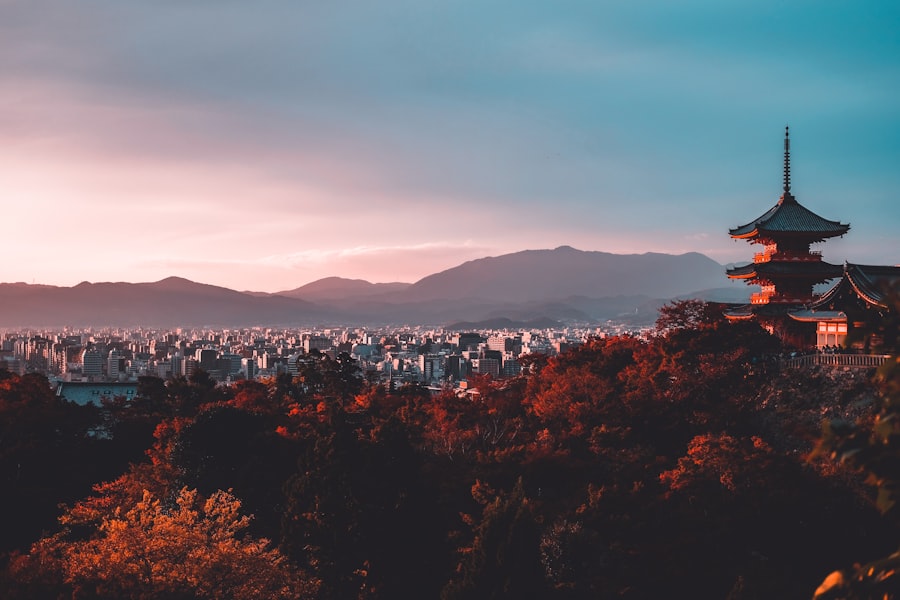
If you're going to play in a band in Kyoto, you can't start without knowing Kawaramachi and Kiyamachi. Kyoto's most representative live houses and session venues are concentrated in this area between Hankyu Kawaramachi Station and Keihan Sanjo Station.
Takutaku
| Item | Details |
|---|---|
| Capacity | Standing room: approximately 250-300 people |
| Genres | Rock, folk, blues, multi-genre |
| Location | 139 Sugeya-cho, Shichijo Dori, Shimogyo Ward, Kyoto |
| Access | 3 minutes walk from Hankyu Kawaramachi Station |
| Official Website | takutaku.jp |
A legendary live house opened in 1974, renovated from a century-old sake brewery. Surrounded by thick beams and earthen walls, this space creates a unique sound resonance unlike any other live house. For over 50 years, countless musicians have performed on this stage playing rock, folk, and blues. Important underground scene bands like Bo Gambosu and Soul Flower Union were nurtured here. It's worth visiting to understand the booking fundamentals introduced in How to Perform at a Live House.
UrBANGUILD
| Item | Details |
|---|---|
| Capacity | Approximately 120 people |
| Genres | Experimental music, noise, theater, dance, multi-genre |
| Location | 3F, Sanjo Kiyamachi Building, 171 Zaimokucho, Kiyamachi-dori, Nakagyō Ward, Kyoto |
| Access | 3 minutes walk from Keihan Sanjo Station |
| Official Website | urbanguild.net |
An experimental space on the 3rd floor of a building in Kiyamachi Sanjo where music, theater, and art intersect. Genre boundaries don't exist here—noise, improvisation, dance performances, and video art are all welcome. Better described as an "experimental expression space" than a typical "live house." If you make experimental music or want to collaborate with artists from other disciplines, this is the perfect place.
Live Spot RAG
| Item | Details |
|---|---|
| Capacity | Seated: approximately 100 people |
| Genres | Jazz, fusion, blues |
| Location | 531-1 Kamiōsaka-cho, Kiyamachi-dori, Sanjo Agaru, Nakagyō Ward, Kyoto |
| Access | 5 minutes walk from Keihan Sanjo Station |
| Official Website | ragnet.co.jp |
Opened in 1981, a central figure in Kyoto's jazz scene. For 45 years, jazz, fusion, and blues performances have been hosted nightly. It's the flagship venue of the RAG Group, which also operates Studio Rag. The monthly jam sessions—"Deep Night Jazz Jam Session" (donation-based) and "Tetsuji Horio's 'Come At Me'" (1,000 yen)—are excellent opportunities to find musical collaborators.
Nijo and Karasuma — The Sacred Ground of Indie Music

The Nijo-Karasuma area is essential to any discussion of Kyoto's indie scene. Venues committed to original compositions cluster here, making this the epicenter where "the sound of Kyoto" is born.
Live House nano
| Item | Details |
|---|---|
| Capacity | Approximately 80 people |
| Genres | Original compositions only (cover bands not permitted) |
| Location | 37-3 Umagishi-cho, Nijo, Nakagyō Ward, Kyoto |
| Access | 7 minutes walk from Subway Nijojo-mae Station |
| Official Website | livehouse-nano.com |
Opened in 2004, this live house maintains a strict policy of original compositions only. Performers must submit a demo and pass an audition. This strictness has paradoxically created a prestigious status—"performed at nano"—making it a gateway venue for Kyoto indie bands. At 80 capacity, the distance between performers and audience is nearly zero. Bands that meet here often cross-promote and share members.
Kyoto ROKA
| Item | Details |
|---|---|
| Capacity | Standing room: approximately 200 people |
| Genres | Rock, pop, indie general |
| Location | B1F, Amity Nijo Building, 42 Nikamigosonouchicho, Nakagyō Ward, Kyoto |
| Access | 2 minutes walk from Subway Nijo Station |
| Official Website | kyoto-roka.com |
Opened January 2025, Kyoto's new generation live house. Opening on the site of GROWLY, which supported Kyoto's scene for 13 years, it launched under the banner of "future-responsive live house." While equipped with state-of-the-art sound and lighting, it has inherited GROWLY's band community. As a new venue, it's an environment where you can easily find collaborators to build the scene together.
Shittoku
| Item | Details |
|---|---|
| Capacity | Approximately 50 people |
| Genres | Folk, blues, country, acoustic |
| Location | Maruta-cho-dori, Omiya-dori, Shimokawaracho, Kamigyō Ward, Kyoto |
| Access | 15 minutes walk from Subway Maruta-cho Station |
| Official Website | jittoku.com |
Opened in 1973, a former sake brewery approximately 300 years old—one of Japan's oldest live houses. A year older than Takutaku. In this intimate 50-person space, you can experience acoustic folk, blues, and country performances. CURLy's Shigeru Kishida frequented this venue in his youth and cites its acoustic character as an influence on his music. The sensation of unamplified sound being absorbed into 300-year-old wooden architecture can be experienced nowhere else.
Saiin and Elsewhere — Where Unique Venues Gather
LIVE HOUSE GATTACA
| Item | Details |
|---|---|
| Capacity | Standing room: approximately 180 people |
| Genres | Rock, punk, hardcore, indie |
| Location | 9 Tatsumicho, Saiin, Ukyō Ward, Kyoto |
| Access | 2 minutes walk from Hankyu Saiin Station |
| Official Website | kyoto-gattaca.jp |
Opened in 2012, a live house in Saiin. Events center on rock, punk, and hardcore, making it perfect for those who want to play aggressive music. The attached rehearsal studio "BeatFree" means live performances and practice can happen under one roof. The community of performing bands is strong, with regulars knowing each other well. Tell people you're looking for members, and someone will likely make an introduction.
CLUB METRO
| Item | Details |
|---|---|
| Capacity | Approximately 300 people |
| Genres | Electronica, techno, hip-hop, live events |
| Location | B1F, Ebisuya Building, 82 Shimotsutsumi-cho, Kawabanadori, Maruta-cho-dori, Sakyō Ward, Kyoto |
| Access | Direct access from Keihan Jingu Maruta-cho Station |
| Official Website | metro.ne.jp |
Opened in 1990, an established name in Kyoto club culture. While primarily hosting techno, electronica, and hip-hop club events, it frequently features live performances. It's a place where collaborations between bands, DJs, and producers naturally occur, with meetings across genre boundaries. The credibility of this veteran venue supporting Kyoto's nightlife for 35 years runs deep.
Rehearsal Studios — Kyoto Offers the Best Value in Kansai
Rehearsal studios are essential for band activity. Kyoto's studios concentrate in the Kawaramachi and Omiya areas. Understanding the fundamentals covered in How to Choose a Rehearsal Studio while leveraging this city's excellent value is key.
Studio Rag Kawaramachi Branch
| Item | Details |
|---|---|
| Rate | All studios: 1,000 yen per hour |
| Location | Nakagyō Ward, Kyoto (right near Hankyu Kawaramachi/Keihan Sanjo) |
| Access | 3 minutes walk from Hankyu Kawaramachi Station |
| Official Website | ragnet.co.jp/studiorag |
The rehearsal studio of the RAG Group, which operates Live Spot RAG. The defining feature is an astonishing flat rate of 1,000 yen per hour for all studios. Regardless of time of day or room size, it's a flat 1,000 yen. Split among four band members, that's 250 yen per person. This ranks among the best value in the Kansai region. The prime location in Kawaramachi-Sanjo is another plus.
Studio 246 KYOTO
| Item | Details |
|---|---|
| Number of Rooms | 14 rooms total |
| Rate Guide | 2 people or fewer: 1,540 yen/hour weekdays and up |
| Location | Shichijo Omiya, Nakagyō Ward, Kyoto |
| Access | 1 minute walk from Hankyu Omiya Station |
| Official Website | widewindows.com |
A large-scale studio with 14 rooms, 1 minute walk from Hankyu Omiya Station. With locations throughout Osaka, Kobe, and Nagoya, if members are in other cities, they can practice at the same chain's facilities. It accommodates individual practice too, with many musicians using it for self-practice on non-band days.
Studio Rental Price Comparison Across 4 Cities
| Item | Kyoto | Kobe (Sannomiya) | Osaka (Shinsaibashi) | Tokyo (Shinjuku) |
|---|---|---|---|---|
| Band Practice (2 hours) | Approximately 2,000–4,000 yen | Approximately 2,600–5,400 yen | Approximately 3,000–6,000 yen | Approximately 4,000–8,000 yen |
| Individual Practice (1 hour) | Approximately 500–700 yen | Approximately 500–800 yen | Approximately 600–1,000 yen | Approximately 800–1,200 yen |
| Late Night Package (5 hours) | Approximately 4,000–6,000 yen | Approximately 5,000–7,000 yen | Approximately 6,000–8,000 yen | Approximately 8,000–12,000 yen |
As introduced in The Reality of Band Activity Costs, studio fees are the largest fixed expense in band activities. Kyoto tends to have the lowest studio costs among the four Kansai cities, with Studio Rag's 1,000 yen per hour being a prime example. Costs are 20-30% cheaper than Osaka and 40-50% cheaper than Tokyo. If you practice 4 times monthly for 2 hours each, the savings compared to Tokyo alone amounts to tens of thousands annually.
Jam Sessions and Open Mikes — Places Where You Converse Through Music
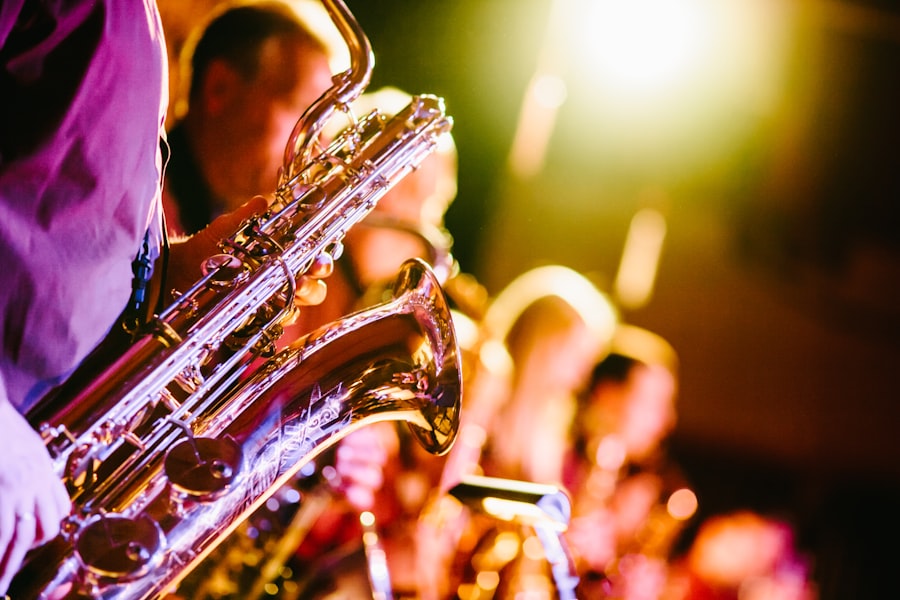
If you're searching for band members in Kyoto, don't overlook jam session venues. Even if you're looking for rock band members, meeting a jazz musician at a session might create surprising chemistry.
Live Spot RAG (Jam Sessions)
| Item | Details |
|---|---|
| Sessions | Twice monthly — "Deep Night Jazz Jam Session" (donation-based) / "Tetsuji Horio's "Come At Me"" (1,000 yen) |
| Location | Kiyamachi-dori, Sanjo Agaru, Nakagyō Ward, Kyoto |
| Access | 5 minutes walk from Keihan Sanjo Station |
| Official Website | ragnet.co.jp |
RAG hosts jam sessions twice monthly. "Deep Night Jazz Jam Session" is donation-based and easy to join. "Tetsuji Horio's 'Come At Me'" costs 1,000 yen and offers professional support while jamming—popular with beginners. The experience of jamming at a jazz venue with 45 years of history is something you can't find elsewhere. Bring your instrument, and you might find bandmates on the spot.
Le Club Jazz
| Item | Details |
|---|---|
| Sessions | Every Sunday 18:00–23:00 (2,000 yen, one drink included) / Fridays also welcome vocalists and musicians |
| Location | Sanjo Gokoku-cho, Nakagyō Ward, Kyoto |
| Access | 5 minutes walk from Keihan Sanjo Station / 3 minutes walk from Subway Kyoto City Hall Station |
Famous for its jam session every Sunday starting at 6 PM. For 2,000 yen including one drink, you get 5 hours of jamming. Fridays also welcome vocalist and instrumental sit-ins, giving you two opportunities weekly. Located conveniently in Sanjo Gokoku-cho, you can drop by after work. Band invitations from session partners are routine here.
Renowned Bands and Artists from Kyoto or Connected to Kyoto
Kyoto has produced distinctive artists across genres. Understanding what kind of music this city has created is valuable.
- cURLy — Formed in 1996 at Ritsumeikan University's music circle "Rock Commune." They organize Kyoto Music Expo and continue to lead Kyoto's music scene. Their roots trace to spending time at Shittoku as young musicians
- 10-FEET — A three-piece rock band from Kyoto. Since 2003, they've hosted "Kyoto Daiwasaku," an annual summer event that's become iconic, drawing fans nationwide
- ROTTENGRAFFTY — A Kyoto-based mixture rock band. Since 2003 they've hosted "Kyoto Hyper Express," alongside Kyoto Daiwasaku, one of Kyoto's major festivals
- Yabai T-shirts Yasan — Vocalist Takuya Koyama is from Kyoto. Orthodox rock dressed up as comedy
- Okazaki Taiiku — From Uji, Kyoto Prefecture. Self-proclaimed "Bonchi Techno" artist with a unique style. His "MUSIC VIDEO" MV became a YouTube sensation
- Kenji Sawada — Raised in Kyoto. As vocalist of The Tigers, he led the GS (Group Sounds) boom of the 1960s
- Folk Crusaders — Formed in 1965 as a Kyoto university band. "Kaette Kita Yoppparai" was a major hit. The origin point of Kyoto's student band culture
Like cURLy and 10-FEET, bands born in Kyoto host major festivals to "bring music fans to Kyoto," creating a cycle. Rather than moving to Tokyo, Kyoto bands stay and broadcast nationally. This is what makes Kyoto's band scene distinctive. As covered in How Foreign Nationals Find Band Members in Japan, each region of Japan has distinct music cultures. Kyoto stands as one of the strongest in independent character.
Complete Picture of Kyoto Band Activity Costs
| Expense Category | Monthly Budget | Notes |
|---|---|---|
| Studio Practice | 4,000–8,000 yen | 4 sessions × 2 hours monthly, split among members (at Studio Rag: 8,000 yen ÷ number of members) |
| Live Performances | 0–15,000 yen | For ticket quota venues. nano uses audition-based selection |
| Transportation | 2,000–5,000 yen | Venues cluster in Kawaramachi, Nijo, and Saiin; minimal travel |
| Strings and Consumables | 1,000–3,000 yen | Guitar string changes 1–2× monthly expected |
| Session Participation | 0–2,000 yen | RAG donation-based through Le Club Jazz 2,000 yen |
| Total | 7,000–33,000 yen | 40–50% cheaper than Tokyo |
Kyoto's greatest advantage is affordable studio rental. Studio Rag's 1,000 yen per hour is less than half Tokyo rates. Monthly practice of 4 sessions × 2 hours split among four members comes to 2,000 yen per person monthly. Keeping recruitment realities by instrument in mind, using savings on equipment and string replacement is far more productive.
Furthermore, Kyoto is a compact city where live houses and studios are accessible by bicycle, and many students can keep transportation costs nearly to zero. This geographic advantage is distinctly Kyoto.
Conclusion — Dive Into "The Sound of Kyoto" Born From Historic Breweries and Student Energy
Kyoto is Japan's one-of-a-kind music city, where sound born from 300-year-old sake warehouses blends with the fresh energy of new student musicians arriving every year.
Fifty years of Takutaku and Shittoku. Nano's commitment to original compositions. ROKA continuing GROWLY's community. RAG's unbroken 45-year jazz flame. And the path created by cURLy and 10-FEET to "stay in Kyoto and broadcast nationally." This city is rooted in the conviction to "voice music in our own language."
I haven't stepped foot in Kyoto studios myself, but I've touched the wooden resonance of Takutaku and felt the night air of Kiyamachi many times. Kyoto's music carries a quiet, unmovable core that Tokyo and Osaka don't possess. It may reflect the "commitment to one's own aesthetic" cultivated over a thousand years as Japan's imperial capital.
If you're searching for band members, start by checking Membo for Kyoto recruitment listings. Then head to Kawaramachi on a weekend, catch a live at Takutaku or Shittoku, and join a RAG session once.
We look forward to the day your sound joins the "music of Kyoto" woven by historic sake breweries and student culture.