Introduction — The Memory of That First Sound Check
I first walked into a band rehearsal studio in my twenties. It was a small studio in Kichijoji. The moment I opened the door, the muffled air unique to soundproof rooms and the faint hum of the amplifier hit my ears.
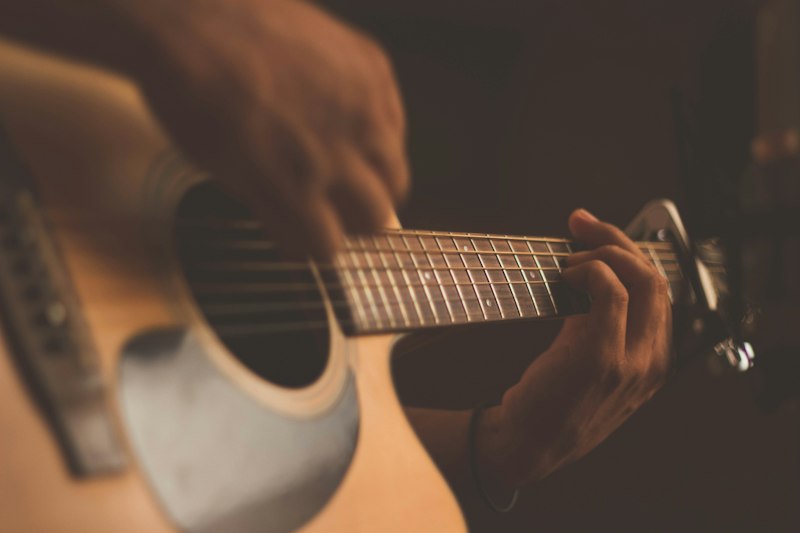
I plugged my guitar into the amp and started playing chords to the drummer's count. The sound was messy. The tempo was off, chord changes weren't in time, and I didn't have the mental capacity to think about the balance between bass and guitar volume. But the rush I felt after leaving that studio is something I remember vividly. I thought, "So this is what a band is."
More than 40 years have passed since then, and I'm still playing in bands. Now that I'm in my 60s, I can say this with certainty: the first month is the most thrilling time of your entire band life. You don't need to play well. You don't need to be perfect. You just need to understand the path to take that first step, and then the music will guide you.
In this article, I've created a week-by-week roadmap covering the first month from the day you decide to start a band through your first studio practice session. I'd recommend reading this alongside the complete guide to joining a band as a beginner.
Week 1 (First Half): Choosing Your Instrument
"I want to start a band, but I don't know which instrument to play." This is the most common concern. The answer is simple: just pick the instrument you're drawn to. You don't need logic—intuition is fine.
That said, knowing the characteristics of each instrument makes the choice easier. Use the comparison table below as a reference.
| Instrument | Initial Cost (New) | Initial Cost (Used) | Difficulty | Band Demand | Ease of Solo Practice |
|---|---|---|---|---|---|
| Electric Guitar | $300–$500 | $100–$300 | ★★★☆☆ | High | ◎ (Headphones possible) |
| Acoustic Guitar | $200–$400 | $100–$200 | ★★★☆☆ | Moderate | △ (Loud sound) |
| Bass | $300–$500 | $100–$300 | ★★☆☆☆ | Very High | ◎ (Headphones possible) |
| Drums | $500–$1,000 (electronic) | $300–$600 (electronic) | ★★★★☆ | Very High | △ (Practice pad recommended) |
| Keyboard | $300–$600 | $100–$400 | ★★★☆☆ | High | ◎ (Headphones possible) |
| Vocals | $50–$200 (microphone) | $30–$100 | ★★☆☆☆ | Moderate | △ (Karaoke, etc.) |
Why I Recommend Guitar or Bass If You're Unsure
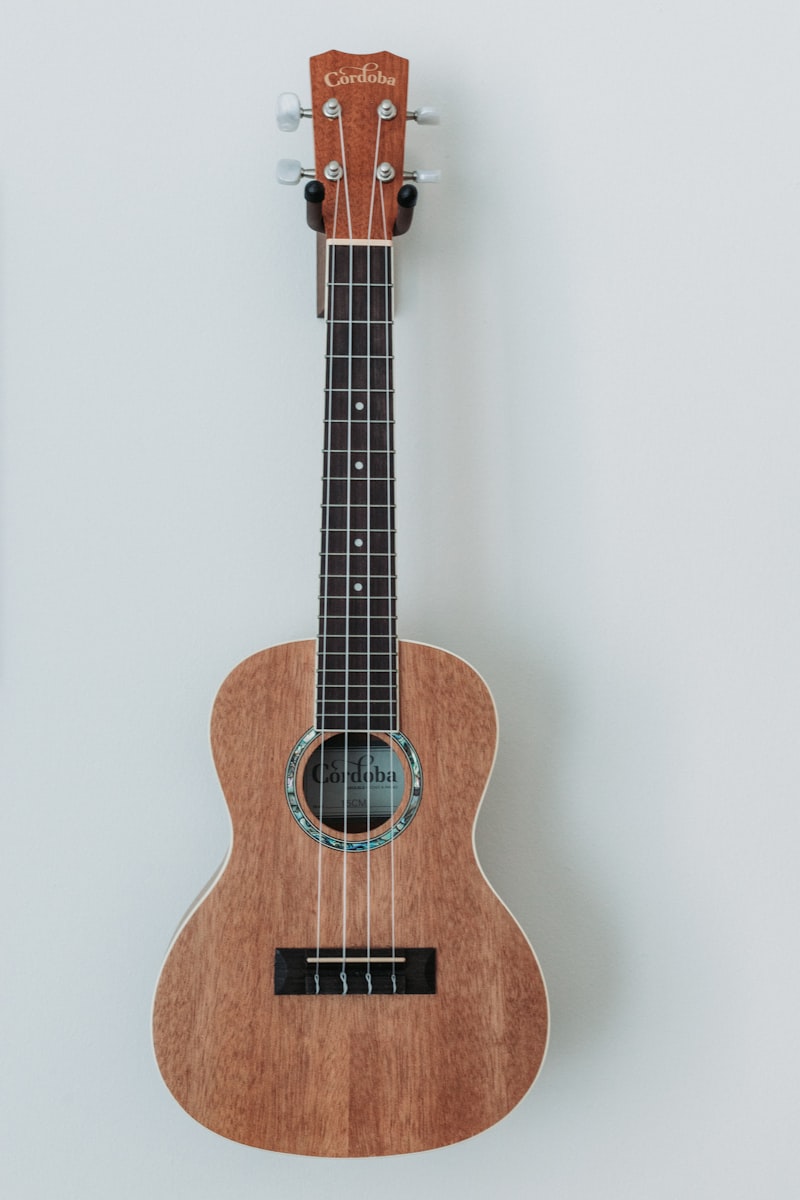
Based on my experience, if you're torn, go with guitar or bass. There are three reasons.
- You can practice quietly at home — Plug headphones into your amp and you can practice even at midnight. Unlike acoustic guitar, you won't disturb your neighbors
- They're easy to transport — You can't realistically carry a drum kit every time. With guitar or bass, you can take them on the train in a soft case
- You can play a complete song relatively quickly — You can play famous rock songs with just three power chords
Bass is especially hard to find even when recruiting, so you'll have a major advantage when searching for a band. Drums are similarly in short supply, so if you feel drawn to drums, jump in without hesitation.
Vocals don't require an instrument and are easy to start, but you'll need someone to play music with, so learning a bit of another instrument expands your options when finding members.
Week 1 (Second Half): Buying or Renting an Instrument
Once you've chosen your instrument, it's time to get one. You have three main options.
1. Buy New From a Music Store
Ochanomizu (Tokyo) is Japan's largest music district. With stores like Ishibashi Musical Instruments, Kurosawa Musical Instruments, Shimokura Musical Instruments, and Taniguchi Musical Instruments lined up, you can spend a day trying out instruments. When you tell the staff "I'm a beginner and want to start a band," they'll patiently help you choose an instrument that fits your budget.
Shimamura Musical Instruments is often located in shopping malls, making it accessible even if you live outside major cities. They regularly hold beginner-friendly instrument experience events.
2. Buy Used
The musical instrument section at Hard Off is a treasure trove. It's not uncommon to find a decent electric guitar in good condition for around $100. You'll find plenty of used instruments on Mercari and Yahoo Auctions, but there's risk in not seeing the item in person. If you have a musically knowledgeable friend, have them check it out with you for peace of mind.
3. Rent
"I'm not sure I'll stick with it, so I can't spend that much money." I completely understand. These days, you can rent instruments for around $30–$50 per month. Rent for a month first and if you think you'll continue, then buy. That's a smart choice.
The Pitfall of Beginner Packages
"Guitar + Amp + Tuner + Case + Strap + Cable — everything for $198!" Beginner packages look tempting, but the quality of the instrument itself is often poor. High action that's hard to press down, tuning that goes out quickly, thin sound—this kills your motivation to practice.
My recommendation is to concentrate your budget on the instrument itself. You can buy the amp later, and a smartphone app like GuitarTuna works fine as a tuner. With $300, you can get an instrument that plays smoothly and sounds decent.
Week 2 (First Half): Your First Practice
When your instrument arrives, you'll probably be mesmerized with it for 2–3 hours. Cherish that energy. But by day two or three, you'll hit a wall: "Wait, I'm not getting any better." This is your first hurdle.
The Reality of Home Practice
With electric guitar and bass, you can practice with headphones even at midnight. Acoustic guitar and drums are different. If you live in an apartment, aim for 10 a.m. to 8 p.m. practice hours. Outside those times, use mutes or practice pads.
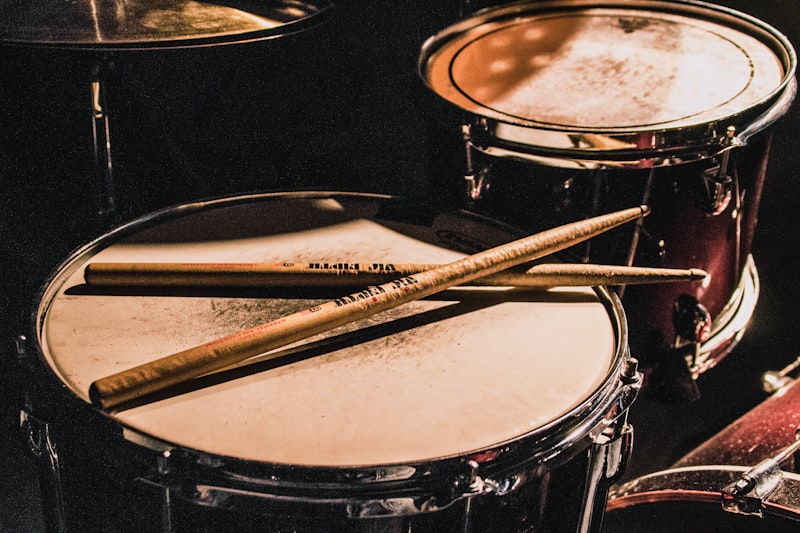
For drummers, I recommend a personal practice studio. Most rehearsal studios have a "solo practice" slot where you can use the drum set for around $5–$8 per hour. I've explained how to choose a band practice studio in detail, so check that out.
Your First Practice Plan
The goal for your first week is to be able to play one song of your choice all the way through. It doesn't need to be perfect. Even if chord changes are messy or your rhythm is a bit off, the important thing is the experience of "playing through to the end."
YouTube is the ultimate teaching tool. Search "(song name) guitar beginner" and you'll find tons of instructional videos. Honestly, amateur videos where someone explains "here's how I learned it" are often more helpful to beginners than famous instructors' channels. You're on the same level.
If you buy a lesson book, choose one with a CD or downloadable audio. Looking at sheet music alone doesn't tell you the rhythm. Learning by listening and imitating is fastest.
Week 2 (Second Half) through Week 3: Finding Members
I've seen so many people think "I'll find members once I get better," then half a year or a year passes. You should start looking for members two weeks after picking up your instrument. The reason is simple: if your band members are also beginners, "everyone's not good yet" is the baseline.
As I mentioned in the article about people who can't find band members, waiting for the right time is a waste of time.
How to Find Members
- Membo — You can filter by "beginners welcome." It supports 5 languages, so you can find international members too
- oursounds — A long-established band member recruitment site. Lots of listings
- Music school recitals and jam session events — People of similar skill levels gather. There's peace of mind in meeting face-to-face
- X (formerly Twitter) and Instagram — Search "#bandmemberrecruitment" or "#beginnerband." Add your region to narrow it down further
The Advantages of Starting With Other Beginners
Getting mixed in with experienced players is one option, but there are real advantages to starting with other beginners.
- No weird pressure. Everyone's in a "it's normal to struggle" atmosphere
- You feel growth together. The joy of playing next month what you couldn't last month
- You create your band's "sound" from scratch. Not a copy of someone else, but your own music
When you post your recruitment, be honest. "I've been playing for two weeks, so I'm a total beginner. Anyone around the same level want to start something relaxed together?" That's enough. No need to oversell yourself. Try finding beginner-friendly friends on Membo.
Week 3: Your First Band Studio Session
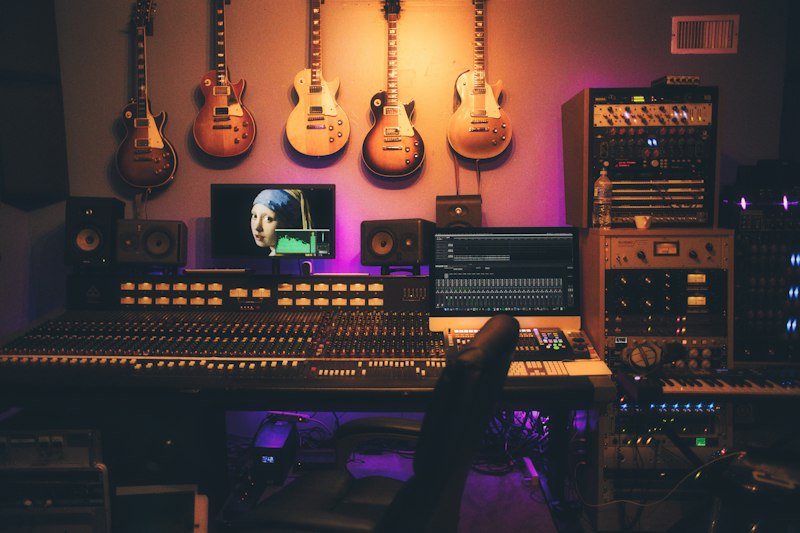
Once you've found members, it's time to book a studio. Everyone gets nervous before their first studio session. I did too. But don't worry. Studio staff are used to beginners.
How to Book a Studio
- Choose a studio — Pick somewhere accessible to all members. A studio close to the station is ideal. Check out my guide on choosing a studio
- Make a reservation — Most studios accept web or phone bookings. For your first time, say "We'd like to do band practice, and this is our first time, so could you walk us through how to use everything?" They'll explain thoroughly
- Book 2 hours — 1 hour doesn't work because setup and cleanup eat into your actual playing time. Start with 2 hours
- Check the price — Around $20–$40 per hour (room rental) is standard. For 3 people, it's about $5–$15 per person
Packing Checklist
- Guitar/Bass: Instrument, cable, picks, tuner
- Drums: Sticks (the studio has the drum set)
- Keyboard: Confirm if the studio has one. If not, bring yours
- Vocals: The studio has a mic. Bring lyrics sheet
- Everyone: Towel, drinks, song backing tracks (smartphone + small speaker)
Studio Etiquette
- Be on time — There are other bands before and after you. Enter 5 minutes early and finish cleanup by your scheduled end time
- Be gentle with equipment — Don't suddenly turn amp knobs. Follow the proper procedure for turning things on and off
- Start at low volume — Begin with everyone playing quietly, then gradually turn up while balancing levels
- Take your trash with you — Obvious, but surprisingly many bands don't do this
Week 4: Your First Sound Check
It's finally here. Your members are gathered, you're in the studio, and someone says "Alright, let's give it a shot." This is what you've been preparing for this whole month.
What Should Your First Song Be?
I've explained how to start a cover band in detail, but your first song should be "simple and something everyone knows." Here are classics for beginner bands:
| Song | Artist | Difficulty | Why Recommended |
|---|---|---|---|
| Small Love Song | MONGOL800 | ★☆☆☆☆ | Only 3–4 power chords needed. Good tempo |
| Cloudy Sky | DOES | ★★☆☆☆ | Memorable riff. Famous from Gintama anime |
| Celestial Observation | BUMP OF CHICKEN | ★★☆☆☆ | The opening arpeggio is great practice. Very well-known |
| Linda Linda | THE BLUE HEARTS | ★☆☆☆☆ | Punk origins. 4 chords. You can power through on energy |
| Smoke on the Water | Deep Purple | ★☆☆☆☆ | The world's most famous guitar riff. Everyone's heard it |
Tips for Keeping Tempo Together
Tempo is what beginner bands struggle with most. When everyone's playing at different tempos, the song falls apart. Three tips:
- Use the drummer (or rhythm keeper) as the reference — Everyone listens to the drums. Don't get lost in your own sound
- Use a metronome — A smartphone app is fine. Play it through the studio speaker or have the drummer listen on headphones
- Slow down the tempo — If you can't play at the original speed, drop the BPM by 20–30. Learn it slow, then gradually speed up
The Mindset of "It Doesn't Have to Be Good"
Let me be clear: your first studio session won't sound like much. Tempo will be off, chords will be wrong, and when someone stops, everyone stops. That's fine.
When I was younger, a regular musician at Mandala (a Kichijoji live house) told me something I still remember: "No band ever sounds tight from day one. The fact that you're not tight is why you try to lock in together. That process—that's what a band is." That's still true.
Your Next Steps After One Month
You've finished your first studio session. Congratulations. You're a musician now. Here are some guideposts for where to go from here.
Set a Regular Practice Schedule
For working adults, 2–3 times a month is a manageable pace. For students, once a week works. As I wrote in how to start a band as a working adult, it's better to commit to "twice a month" and stick with it for six months than to say "every week" and quit after three sessions.
Think about the accumulated studio costs too. I recommend reading the reality of how much band activities cost to get a sense of your long-term budget.
Make a Live Performance Your Goal
3–6 months after starting, aim to play a small live show. You might think "that's too soon," but when a live date is confirmed, your practice intensity goes up. Read about how to perform at live houses and let yourself dream.
Communication Within the Band
Musical direction, practice frequency, money—as you continue, you'll always need alignment. From the start, create an atmosphere where "people say what they think, but also listen to others' opinions." This is crucial.
Five Common Beginner Mistakes
In 40+ years of playing in bands, I've watched beginners make the same mistakes. So you don't repeat them, I've compiled them here.
1. Buying an Expensive Instrument Right Away
"If I'm buying, I might as well get something good." I understand the thinking, but you don't need a $2,000 guitar to start. Play a $300 guitar for six months, figure out what you like, then upgrade to a better one. You'll be happier in the end.
2. Being Too Stubborn About Self-Teaching
Self-teaching via YouTube and lesson books is possible. But bad habits formed early are hard to break later. Even once a month, have someone experienced check your technique. Free or cheap trial lessons at music schools are a good option.
3. Chasing Perfection and Getting Stuck
"I'll find members once I'm better." "I'll go to the studio once I can play this song perfectly." This thinking is the most dangerous. Perfect never comes. Go to the studio at 60% competency, and gain the last 40% with your bandmates. That's the power of being in a band.
4. Quitting Immediately When Members Don't Click
Your first band rarely turns out to be your forever band. Different taste in music, different dedication levels—it happens. Instead of quitting right away, try talking about it first. If it doesn't work out, find the next band. Just don't become the type who never finds members.
5. Skipping Rehearsal
This is the biggest taboo. Studio costs are split evenly. When you don't show, you waste other members' time and money. Illness and emergencies happen, but skipping because "I'm not feeling it" is betraying your band. Go anyway, and you'll have fun. That cycle is the secret to keeping a band alive.
What Your First Month Will Cost
"So how much will this actually cost?" That's probably your biggest question. Here's the reality:
| Item | Cost (Estimate) | Notes |
|---|---|---|
| Instrument | $100–$500 | Used starts around $100. New, plan on $300 |
| Accessories | $30–$100 | Cable, picks, strap, stand, etc. |
| Solo practice studio (2 visits) | $10–$16 | $5–$8 per hour |
| Band studio (1 visit, 2 hours) | $10–$20 | $40–$60 room fee split among 3–4 people |
| Learning materials | $0–$20 | YouTube is free. Lesson books run $15–$20 |
| Transportation | $10–$30 | To and from the studio |
| Total | $160–$686 | Used instrument + YouTube can be under $200 |
With a used instrument, free YouTube learning, and shared studio costs, your first month can stay under $200. That's 2–3 nights out. The experience you gain is worth far more than that.
Conclusion — Your First Month Is the Best Part
I'm 60 now and still pick up my guitar multiple times a week. When I walk into a studio, my heart still races like it did in my 20s. If that happens after 40+ years, imagine how intense what you're feeling right now must be.
Here's the four-week roadmap I've outlined in this article:
- Week 1: Choose and get your instrument
- Week 2: Practice at home or in solo studios. Aim to play one song through
- Week 2–3: Start finding members. Search Membo for beginner-friendly bandmates
- Week 3: Book your studio
- Week 4: First sound check. It doesn't have to be perfect. Play, and you'll find your people
You don't have to be good. You don't have to be perfect. What matters is taking that first step. Pick up an instrument. Make a sound. Go to a studio. That's all it takes to change your world.
Not "someday"—today. Open your browser to a music store's website right now.