A Night When Music Spoke — Sessions Are My Origin
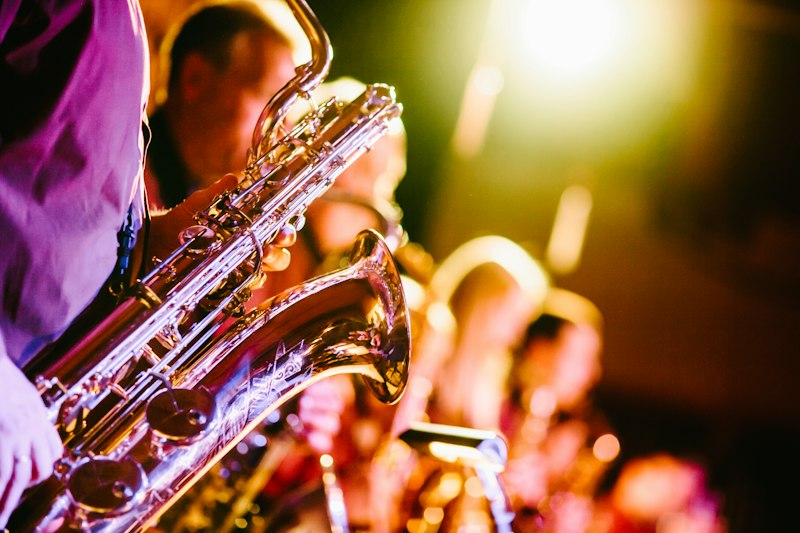
In my twenties, I was always at Mandala in Kichijoji. When you descend into the basement of that building, you're surrounded by air mixed with cigarette smoke and the smell of beer. On stage are guitarists you've never seen before, and a drummer caressing the snare with brushes. I open my guitar case, check the tuning, and signal to the host with my eyes: "Can I play?" A nod. The key is A. Twelve-bar blues.
The moment the intro began, words became unnecessary. I didn't know the other player's name, age, or occupation. But the instant that A chord rang out, we became "one."
The same was true at Fussa's UZU. In a town near a U.S. military base, I played blues with an American bassist one night. We could hardly speak each other's language. But when the twelve-bar turnaround came, our rhythm was perfect. "I want to spend the rest of my life doing sessions and bands where nationality, gender, and age don't matter—where people connect through music alone." This is my personal motto, and it was born that night.
Even now in my sixties, that feeling hasn't changed. Sessions are the origin of music. Before forming a band, I want you to go to a session first. There awaits a meeting that could change your musical life.
Having grasped the bigger picture of band activity through the "Complete Guide for Beginners to Join a Band," I'd like to introduce you to the world of jam sessions as your next step.
What Is a Jam Session? — Understanding the Difference from a Band
A jam session is when musicians who gather in one place play together improvising on the spot. It's fundamentally different from a band, where fixed members practice predetermined songs.
The Difference Between Bands and Sessions
| Item | Band | Jam Session |
|---|---|---|
| Members | Fixed | Changes every time |
| Songs | Decided and practiced in advance | Decided on the spot |
| Arrangements | Refined | Mostly improvisation |
| Practice frequency | Studio 1–2 times per month | Drop in whenever you feel like it |
| Purpose | Live performances and creating works | Enjoying performance, honing skills, meeting people |
| Difficulty | Need to gather members | Can participate solo |
The biggest advantage of sessions is that you can go alone and make musical friends on the spot. Before searching for "the first song to play together in a band," it's also a good idea to try jamming with various people at a session.
Types of Sessions
Even though we call it a jam session, there are actually several types.
| Type | Characteristics | Example Standard Songs | Beginner-Friendly Rating |
|---|---|---|---|
| Blues Session | 12-bar blues progression is the foundation. Anyone can participate if you know the key | Key of A / Stormy Monday | ★★★★★ |
| Rock Session | Playing famous rock numbers together. You can participate if you know the songs | Johnny B. Goode / Route 66 | ★★★★☆ |
| Jazz Session | Based on standard song progressions with improvisation. Easier with music theory knowledge | Autumn Leaves / Fly Me to the Moon | ★★★☆☆ |
| Funk/Soul Session | Groove-focused. The rhythm section needs to be stable | Cissy Strut / Superstition | ★★★☆☆ |
| Open Mic | Solo performances and cover songs allowed. More individual performance-oriented than sessions | Free choice (original songs OK) | ★★★★★ |
Blues sessions are strongly recommended for beginners. The reason is simple: once you learn the 12-bar blues progression, everyone can play together just by matching the key. It works with just three chords (A7, D7, E7, etc.). You don't need to understand theory deeply; you can learn it physically.
What Is a Session Bar? — Understanding the Difference from Live Houses
The article "Live Houses in Tokyo" introduced the world of live houses, but session bars are a completely different space.
Session Bar Basics
A session bar is a bar with a permanent stage and PA equipment that regularly hosts jam sessions. Customers drinking there and people who brought instruments enjoy music in the same space.
| Item | Live House | Session Bar |
|---|---|---|
| How to perform | Booking (advance reservation) | Walk-ins welcome on the day |
| Performance fee | Ticket quota (¥30,000–50,000) | Participation fee ¥1,500–3,000 + 1 drink |
| Performance format | Band-based | Individual participation and improvisation |
| Audience | Mainly acquaintances of the performing band | Musicians + regular music lovers |
| Atmosphere | Formal (stage vs. audience) | Casual (blurred boundaries) |
| Booking | Performance weeks to months in advance | Not required (same-day participation OK) |
The charm of session bars is that the barrier to entry is extremely low. Unlike "How to Perform at a Live House," there are no booking walls or ticket quotas. You can take the stage regardless of whether you're a pro or amateur, just paying the participation fee and drink charge.
Participation Fee Rates
| Format | Participation Fee | Drink | Estimated Total |
|---|---|---|---|
| Session Bar (Standard) | ¥1,500–2,500 | 1 drink (¥500–800) | ¥2,000–3,300 |
| Session Bar (Professional Host) | ¥2,500–3,500 | 1 drink | ¥3,000–4,300 |
| Live House Session Event | ¥1,500–2,000 | Separate | ¥2,000–3,000 |
| Open Mic | Free–¥1,000 | 1 drink | ¥500–1,800 |
Compared to individual practice at a studio (¥500–1,000 per hour) mentioned in "How to Choose a Practice Studio," it's a bit more, but the experience of improvising with live musicians cannot be gained from solo studio practice. Think of this ¥2,000–3,000 not as "tuition" but as "live experience."
Preparation for Beginners to Participate in Sessions
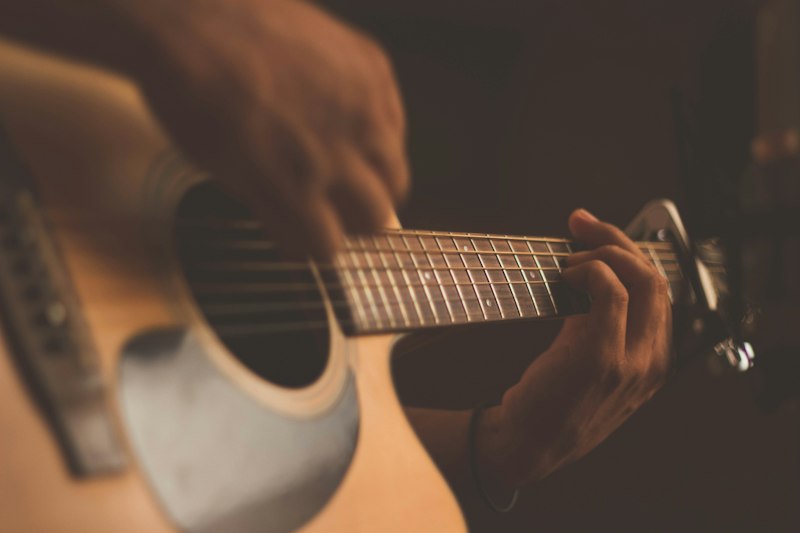
Minimum Skills — Don't Aim for Perfection
"I'll go when I get better" — this is the biggest misconception among people new to sessions. Sessions don't require "perfection." You only need these three things:
- You can stably produce chords (or rhythm) on your instrument — Guitarists don't need to play barre chords. Open chords are enough
- You know the 12-bar blues progression — I-I-I-I / IV-IV-I-I / V-IV-I-V (In key A: A-A-A-A / D-D-A-A / E-D-A-E)
- You can play while listening to others — Don't focus only on your own sound. This is the most important
For vocalists, knowing 2–3 standard blues songs is enough. For drummers, if you can play eighth-note and shuffle rhythms, you're immediately useful. For bassists, you can support the whole band just by playing solid root notes.
What to Bring to a Session
| Item | Essential/Nice to Have | Notes |
|---|---|---|
| Your own instrument | Essential | For drummers, bring sticks only (the venue provides drums) |
| Cable (XLR) | Essential | Two cables are ideal. The importance of backup cables is mentioned in "How to Run Band Practice" |
| Tuner | Essential | Clip-on is convenient. A smartphone app works too |
| Effects pedal | Nice to have | At first, plugging directly into the amp is fine. Too much gear gets in the way |
| Sheet music / Chord charts | Nice to have | A notebook or smartphone with standard song progressions noted |
| Business cards / Contact info | Nice to have | You can exchange contact info immediately with people you click with |
| Cash | Essential | Many session bars don't accept cards |
What to Do Before You Go
- Check the venue's SNS and website — Confirm the session day, time, genre, and participation fee. Choose venues that clearly list the genre like "blues session" or "rock session"
- Practice 3–5 standard songs — Pick songs from the standard song list introduced in the next section and practice them
- If possible, visit as an observer once — Go as a customer without performing, grab a drink, and get a feel for the atmosphere. Saying to the regulars or host, "I'd like to participate next time" will make things smooth on the day
Session Standard Song List — Know These and You Can Jump Right In
When asked "What do you want to play?" at a session, being able to answer from this list is enough. I've compiled standard songs by genre.
Blues Session Standard Songs
Blues is the foundation of sessions. Since the 12-bar blues progression is basic, anyone can participate once the key is set.
| Song Title | Artist | Key | Characteristics |
|---|---|---|---|
| Key of A (Slow Blues) | — | A | Just decide the key and play freely. The basic form for beginners to start with |
| Key of E (Shuffle Blues) | — | E | Standard blues with a shuffle rhythm |
| Stormy Monday | T-Bone Walker | G | Jazz-influenced blues. The chords are slightly complex but a session favorite |
| Sweet Home Chicago | Robert Johnson | E / A | Famous from the Blues Brothers. Easy for vocalists to jump in |
| The Thrill Is Gone | B.B. King | Bm | Minor blues. Great for wailing guitar solos |
| Hoochie Coochie Man | Muddy Waters | A | Striking stop-time riff. Great for the whole band to lock in on the "hit" |
| Pride and Joy | Stevie Ray Vaughan | E | Texas shuffle. Essential if you're an SRV fan |
Rock Session Standard Songs
| Song Title | Artist | Key | Characteristics |
|---|---|---|---|
| Johnny B. Goode | Chuck Berry | Bb | The origin of rock and roll. You can join immediately if you know the riff |
| Route 66 | Bobby Troup | A / Bb | Interpreted widely from rockabilly to R&B |
| Stand By Me | Ben E. King | A | Four chords. The famous bass line makes it easy to lock in |
| Rock And Roll | Led Zeppelin | A | The drum intro builds tension immediately |
| Crossroads | Cream / Robert Johnson | A | The Clapton version is the session standard. A chance for guitarists to shine |
| Mustang Sally | Wilson Pickett | C / G | Funky rhythm. Gets the whole crowd fired up |
Jazz Session Standard Songs (Beginner-Friendly)
| Song Title | Composer | Key | Characteristics |
|---|---|---|---|
| Autumn Leaves | Joseph Kosma | Gm / Bbm | Most frequently played in jazz sessions. The textbook example of II-V-I progression |
| Blue Bossa | Kenny Dorham | Cm | Bossa nova rhythm and relatively simple. Beginner-friendly jazz |
| Fly Me to the Moon | Bart Howard | C / Am | A melody everyone knows. Easy for vocalists to join |
| All of Me | Gerald Marks | C | Simple chord progression. Perfect for solo practice too |
| Now's the Time | Charlie Parker | F | Essentially a blues progression. Ideal for jazz introduction |
| Billie's Bounce | Charlie Parker | F | Also based on blues progression. Bebop introduction |
Suggestion for beginners: Master three songs—"Key of A (Blues)," "Johnny B. Goode," and "Stand By Me"—before going to a session. With these three, you're guaranteed to participate in 1–2 sets in either a blues or rock session.
Guide to Session Bars and Session Venues in Tokyo
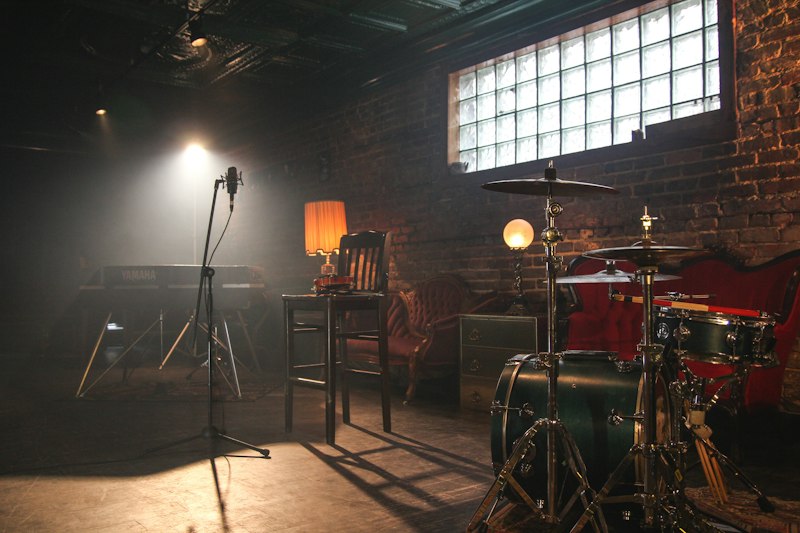
Tokyo is the city where sessions thrive most in Japan. As mentioned in "Introduction to Japan's Music Scene," Tokyo is home to diverse musical cultures coexisting. Below are beginner-friendly session bars and session venues worth trying.
Note: Dates, times, and participation fees may change. Always check each venue's website or SNS for the latest information before visiting.
1. Jirokichi (Koenji)
| Item | Details |
|---|---|
| Genre | Blues / Rock / Funk |
| Session | Blues sessions hosted (check official site for schedule) |
| Participation Fee | ¥2,000–3,000 + 1 drink |
| Atmosphere | A legendary live house founded in 1975. The holy site of blues and rock |
| Address | 3-2-13 Kita Koenji, Suginami Ward, Tokyo (3 min walk from Koenji Station north exit) |
| Official | Official Website |
Three minutes on foot from Koenji Station's north exit. This legendary live house, founded in 1975, hosts a wide range of sessions centered on blues, rock, and funk. Half a century of history proves it's one of the best places for beginners to take their first step.
2. Shinjuku PIT INN (Shinjuku)
| Item | Details |
|---|---|
| Genre | Jazz |
| Session | Jam sessions hosted (check official for schedule) |
| Participation Fee | ¥1,500–3,000 + 1 drink |
| Atmosphere | A legendary jazz venue representing Japan. A session holy site where pros and amateurs gather |
| Address | B1F Accord Shinjuku, 2-12-4 Shinjuku, Shinjuku Ward, Tokyo (3 min walk from Shinjuku-sanchome Station) |
| Official | Official Website |
When it comes to sessions in Shinjuku, Shinjuku PIT INN is the place. One of the most important venues in Japan's jazz scene, it also hosts jam sessions. You can take the stage where leading professional musicians perform—in a session, you can too.
3. Organ Jazz Club (Numaike)
| Item | Details |
|---|---|
| Genre | Jazz / Organ Jazz |
| Session | Jam session days available |
| Participation Fee | ¥2,000+ + drink order |
| Atmosphere | Hammond organ sounds fill the room. A gathering spot for jazz lovers |
| Address | B1F, 1-34-4 Numaike, Nakano Ward, Tokyo (2 min walk from Numaike Station) |
Two minutes on foot from Numaike Station. A jazz-specialized session bar with permanent Hammond organ, where you can experience the unique groove of organ jazz. An open atmosphere for jazz session beginners.
4. Naru (Ochanomizu)
| Item | Details |
|---|---|
| Genre | Jazz |
| Session | Jam sessions hosted (check schedule) |
| Participation Fee | ¥2,500+ |
| Atmosphere | A legendary jazz club founded in 1969. Steeped in history and prestige |
| Official | Official Website |
A long-established jazz club in Ochanomizu. With over half a century of history, countless jazz musicians have graced its stage. Beginners can participate on session days. Since it's in Ochanomizu, the instrument district, you can drop by after buying an instrument.
5. Mandala (Kichijoji)
| Item | Details |
|---|---|
| Genre | Rock / Folk / Blues / Multi-genre |
| Session | Open mics and session events held irregularly |
| Participation Fee | Varies by event |
| Atmosphere | Founded in 1974. A holy site supporting Kichijoji's music culture for 50 years |
| Official | Official Website |
The place I spent my twenties hanging out. Since its founding in 1974, countless musicians have graced this basement stage. Though not a permanent session bar, it hosts irregular open mics and session events. If you're in Kichijoji, experience the air of this place first.
6. Sometime (Kichijoji)
| Item | Details |
|---|---|
| Genre | Jazz |
| Session | Regular jam sessions |
| Participation Fee | ¥2,000+ + drink order |
| Atmosphere | Founded in 1975. A prestigious jazz venue representing Kichijoji |
| Official | Official Website |
A music landmark of Kichijoji alongside Mandala. Centered on jazz, this live house regularly hosts jam sessions. The warm environment makes it comfortable for beginner jazz players.
7. Ogikubo Rooster (Ogikubo)
| Item | Details |
|---|---|
| Genre | Blues / Rock |
| Session | Regular blues sessions |
| Participation Fee | ¥2,000 + 1 drink |
| Atmosphere | A famous Ogikubo venue known for blues sessions. Welcomes beginners |
| Address | 5-16-15 Ogikubo, Suginami Ward, Tokyo (3 min walk from Ogikubo Station south exit) |
| Official | Official Website |
Three minutes on foot from Ogikubo Station's south exit. Known for regular blues sessions, this live bar has an intimate setting where you feel close to the performers and experience musical unity. Ideal for blues session beginners.
8. Blues Alley Japan (Meguro)
| Item | Details |
|---|---|
| Genre | Jazz / Blues |
| Session | Jam session nights hosted |
| Participation Fee | ¥2,500+ + food/drink order |
| Atmosphere | The Tokyo version of the legendary club in Washington, D.C. Prestigious but approachable |
| Official | Official Website |
A prestigious jazz and blues club along the Meguro River. Named after the famous Blues Alley in Washington, D.C. While professional performances are the main draw, jam session nights offer the rare opportunity to perform with world-class sound equipment.
Session Venues in Osaka, Nagoya, and Beyond
Session culture is rooted in cities outside Tokyo. Sessions in regional cities are smaller in scale than Tokyo's, but often more intimate and with closer friendships among regulars.
Osaka
| Venue | Area | Genre | Features |
|---|---|---|---|
| Rock Bar SEVENTH | Umeda | Rock / Blues | A session bar in Umeda (3F Umeda Royal Building, 2-14-10 Sonezaki, Kita Ward, Osaka; near Higashi-Umeda Station). Regularly hosts rock and blues sessions |
| Jazz on Top | Umeda | Jazz | A jazz club in Umeda with session days. Good accessibility |
| Live Spot Tension | Sakaisuji-Honmachi | Blues / Rock | A blues bar in Sakaisuji-Honmachi (B1F Ichioka Hirosan Building, 1-4-6 Kawaracho, Chuo Ward, Osaka; near Sakaisuji-Honmachi Station). Hosts beginner-friendly sessions |
Nagoya
| Venue | Area | Genre | Features |
|---|---|---|---|
| Jazz Bar STAR EYES | Chikusa Ward (Kakuozan) | Jazz | A jazz bar in Kakuozan (3-4-1 Kikezakacho, Chikusa Ward, Nagoya; near Kakuozan Station). Regularly hosts jam sessions |
| SlowBlues | Meto Ward | Blues / Rock | Blues sessions every Tuesday (3-3 Meito-honsuji, Meto Ward, Nagoya, official website) |
Other Regions
| Venue | Area | Genre | Features |
|---|---|---|---|
| Gate's 7 | Fukuoka, Nakasu | Jazz / Blues | A jazz bar in Nakasu. Jam sessions available |
| STORMY MONDAY | Sapporo | Blues | A Sapporo blues bar hosting blues sessions |
| D-Bop Jazz Club | Sapporo | Jazz | A center of the Sapporo jazz scene. Regular sessions hosted |
Session information for regional cities is covered in detail in articles about those cities. Also check the "How to Find Band Members in Osaka" article for Osaka's session scene.
Session Etiquette and Unwritten Rules
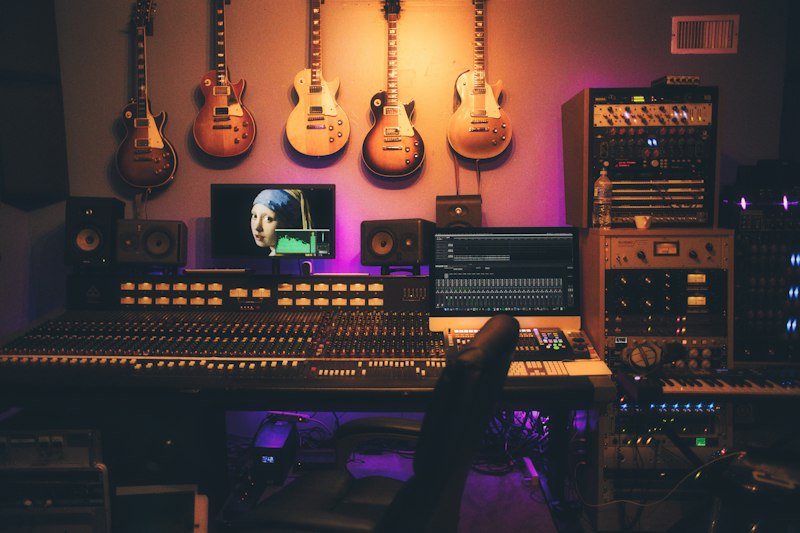
Sessions don't come with a written rulebook. But based on my 40+ years of session experience, I want to share these unwritten rules. Understanding them means a beginner can enjoy sessions without standing out.
1. Follow the Host's Instructions
Every session has a "host" who runs the show. Song selection, participant order, key setting, who takes solos — the host directs everything. Always follow the host's instructions. Even if you have a song you want to play, if the host says "Next, let's do blues in A," go with that.
2. Solo for 1–2 Choruses, Then Pass It On
The most hated thing is playing a solo endlessly. In blues, play one chorus (12 bars) or at most two before passing to the next person. The host or the player next to you will give you an "your turn is done" look, so don't miss that signal.
3. Keep Your Volume Low — Especially at First
Playing loud in a session is almost antisocial behavior. Guitarists especially should keep amp volume low. Volume so loud you can't hear others destroys the unity of the session. Same for drummers; hitting the snare at about 60–70% strength is just right.
4. Be Honest If You Don't Know a Song
When asked to play a song you don't know, it's fine to say "Sorry, I don't know that one". It's way cooler to watch from the side rather than fake it and mess things up. Session regulars are kind to honest beginners and cold to those who lie and create confusion.
5. Applaud When Others Finish
This sounds obvious, but some people don't do it. When someone else's solo ends and you're not playing, applaud. Good or bad doesn't matter. It's your way of saying "Thanks for playing with me."
6. No Cell Phones During Sessions
Don't fiddle with your phone when you're not playing. If you're not listening to the performance, you might miss your cue to come in next time.
7. Handle Equipment with Care
If using the venue's amp or drum set, return it to its original state. If you moved a knob, move it back. Don't overwork the rims with sticks. Treating borrowed gear well builds trust with the regulars.
How to Form a Band with People You Meet at Sessions
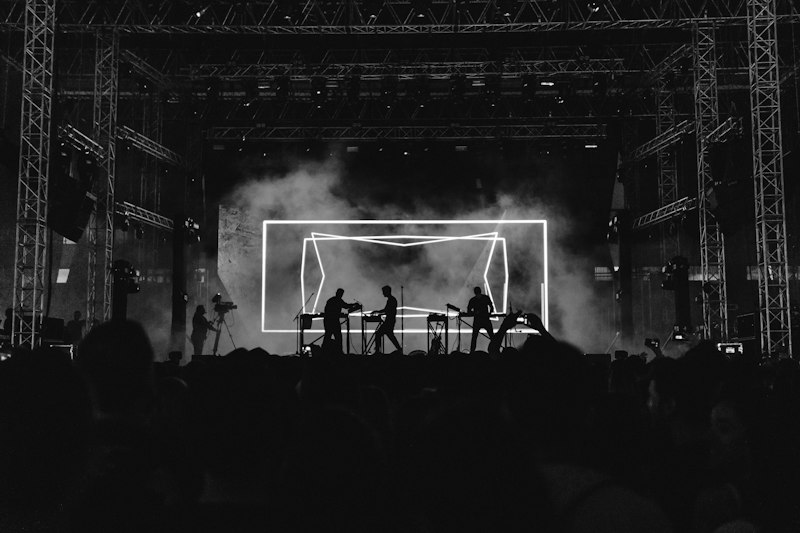
The true value of sessions isn't just the performance itself. It's the conversation at the bar counter after you finish where meetings that can change your musical life happen.
After jamming with an American bassist at UZU in Fussa, I spent two hours with him at the counter. Our language was broken, but we had a blast talking about our favorite artists and albums. We never formed a band, but that night's encounter is still a treasure to me.
As mentioned in "Benefits and Considerations of Playing in a Band with Foreigners," sessions are exactly the place for meetings across borders. If music connects, language doesn't matter.
Three Steps to Develop Sessions into Bands
- Keep going to the same session regularly — If you attend the same venue on the same day 2–3 times a month, you'll become familiar faces to regulars. Becoming a regular is the first step
- Reach out to players you click with — "I enjoyed playing with you" or "Want to jam in a studio sometime?" Just saying this puts you halfway there
- Post a recruitment on Membo — Besides the session acquaintance, if you need another member, post on Membo. Saying "Looking for someone to jam with at session bars" attracts session-loving musicians
You don't need to form a band right after meeting someone at a session. Play together a few times first and see if your musical taste and tempo feel match. Rushing leads to breakups.
Five Other Ways to Build Music Connections Beyond Jam Sessions
Opening a session bar door might still be too high a hurdle, or maybe there's no session venue nearby — for those people, here are other ways to make music friends. Using these alongside sessions greatly expands your network.
| Method | Cost Guide | Features | Best For |
|---|---|---|---|
| Music Store Workshops | Free–¥3,000 | Workshops held by major stores like Shimamura or Ishibashi. Beginner chord lectures, amp demos. Natural conversation happens with other participants | People just starting instruments who want to meet store staff and other beginners |
| University and Adult Music Circles | ¥1,000–3,000/month | University light music clubs, adult cover band circles (like Keion R40), community orchestras. Regular practice and concerts | People who want long-term practice with the same members. See "Adult Bands" article too |
| Music School Recitals | School fees ¥8,000–15,000/month | Individual lessons often include recitals where you perform with other students. Teachers' networks often lead to "Want to start a band?" introductions | People who want structured fundamentals and want to use teacher's network |
| Online Jamming (Jamulus, etc.) | Free (requires PC and audio interface) | Low-latency online session software like Jamulus and JackTrip. Works from anywhere, even abroad | People with no local session venues or wanting to connect with foreign musicians |
| Live House Open Mics | ¥500–1,500 + 1 drink | Get on stage for one song as a solo artist. Lower barrier than sessions because you perform independently. Chat with other performers afterward | Vocalists, singer-songwriters, people who just want the experience of performing live |
These aren't exclusive alternatives—combining them expands your network. I know someone doing "weekday music lessons, weekend sessions, monthly circle rehearsals." Think of jam sessions as one choice in the mix. Multiple entry points are better. Most eventually post on Membo to find a proper band. More doors mean more connections.
The 12-Bar Blues Progression — Learn It Today, Play It Tomorrow
After all this, if you're thinking "I want to try a session, but what exactly is 12-bar blues?" — here I'll break down the progression to a level you can learn today and play tomorrow.
In my twenties, a senior guitarist told me at a Kichijoji session: "Just learn three chords and shuffle. You can do all the blues with that." After 40 years, I still believe that's true.
12-Bar Blues Progression Chart (Key of A)
| Measure | 1 | 2 | 3 | 4 | 5 | 6 | 7 | 8 | 9 | 10 | 11 | 12 |
|---|---|---|---|---|---|---|---|---|---|---|---|---|
| Degree | I7 | I7 | I7 | I7 | IV7 | IV7 | I7 | I7 | V7 | IV7 | I7 | V7 |
| Key A | A7 | A7 | A7 | A7 | D7 | D7 | A7 | A7 | E7 | D7 | A7 | E7 |
| Key E | E7 | E7 | E7 | E7 | A7 | A7 | E7 | E7 | B7 | A7 | E7 | B7 |
The "V7" at the end of measure 12 is the signal to return to "I7" at the top of the next chorus. This is called the "turnaround." Sessions use this to pass solos around or move toward the ending.
Chord Fingering Tips (Guitar)
| Chord | Fingering | Tip |
|---|---|---|
| A7 | 5th string open, 4th string 2nd fret, 3rd string open, 2nd string 2nd fret | Open chord is fine. Don't tense your thumb; relax |
| D7 | 4th string open, 3rd string 2nd fret, 2nd string 1st fret, 1st string 2nd fret | Strum from the 4th string. Don't play 5th or 6th strings |
| E7 | 6th string open, 5th string 2nd fret, 4th string open, 3rd string 1st fret, 2nd string open, 1st string open | Needs only one index finger and one middle finger—the easiest chord |
| B7 (Key E) | 5th string 2nd fret, 4th string 1st fret, 3rd string 2nd fret, 2nd string open, 1st string 2nd fret | Beginners often make this a full barre, but open B7 works fine |
Key of E is easier for beginners because it uses more open strings. When asked "What key?" at a session, answering "E, please" works for most blues.
Three-Step Home Practice
- Step 1 — Just I7 for 4 beats × 4 measures: Set a metronome to 100 bpm and play A7 for 4 beats × 4 measures (16 total beats). Let the rhythm sink in
- Step 2 — I7 to IV7 back and forth: 4 measures A7 → 2 measures D7 → 2 measures A7, repeat this 8-measure loop. Get your fingers used to chord changes
- Step 3 — Play all 12 bars: Play the full 12-bar progression above. If you mess up, keep going—don't stop. Sessions don't pause for mistakes
Do these three steps 15 minutes daily for a week, and you'll be ready to play at a session. The basic rhythm is shuffle (tuh-ka, tuh-ka). Search YouTube for "12 bar blues shuffle in A backing track" and tons of free backing tracks appear. Playing along with those is the best practice.
Mastering blues progression helps with writing original songs too. "Johnny B. Goode," "Route 66," "Sweet Home Chicago"—most standards work with this 12-bar progression. Learn one and you can play 100 songs, and it's not exaggeration.
Frequently Asked Questions (FAQ)
Q. Can I go to a session if I just started playing?
A. You can if you have minimum preparation. For guitar: play three chords (A, D, E) in rhythm. For drums: play an 8-beat. For bass: follow root notes. Perfection isn't needed. Just make sure you tune well and manage volume—these affect others.
Q. Can I participate as just a vocalist?
A. Absolutely. Knowing 2–3 standard blues or rock songs is enough to join as a vocalist. As a vocalist, you have the advantage of needing no instrument. Bringing written lyrics isn't embarrassing either.
Q. Is it OK to go alone?
A. Going solo is standard. Sessions are about "going alone and becoming friends." It's nerve-wracking at first, but the host guides everything. Actually, bringing a friend and sticking together creates a wall. Better to go solo.
Q. Can I borrow an instrument at the venue?
A. Drum sets, bass amps, and guitar amps are basic house gear. Bring your guitar, bass, or horn. Some venues lend out guitars or bass, so ask ahead.
Conclusion — Sessions Return You to Music's Origin
For over 40 years since my twenties, I've been going to sessions. At Mandala in Kichijoji, at UZU in Fussa, at countless bars around Tokyo—I've spent numberless nights there. One thing has never changed.
Sessions have no "failures."
In a band, mistakes might mean "not enough practice." At a live show, someone might say "improve the finish." But at sessions, even if you miss a chord or lose rhythm, nobody blames you. Everyone's just enjoying "this moment's music."
Sure, playing well feels better. But even playing poorly is fun. That's the essence of sessions.
If you're thinking "I want to form a band but can't find members" or "I play but have no one to jam with," please open the door to a session bar. There awaits a meeting that could change your musical life.
And when you meet kindred spirits at sessions, post on Membo saying "I want to form a band with session friends." Nationality, gender, age don't matter. Musicians who connect through sound—you'll find them.
Even in my sixties, I keep going to sessions because I believe that.