Matsuyama has a sense of place where "connections" endure
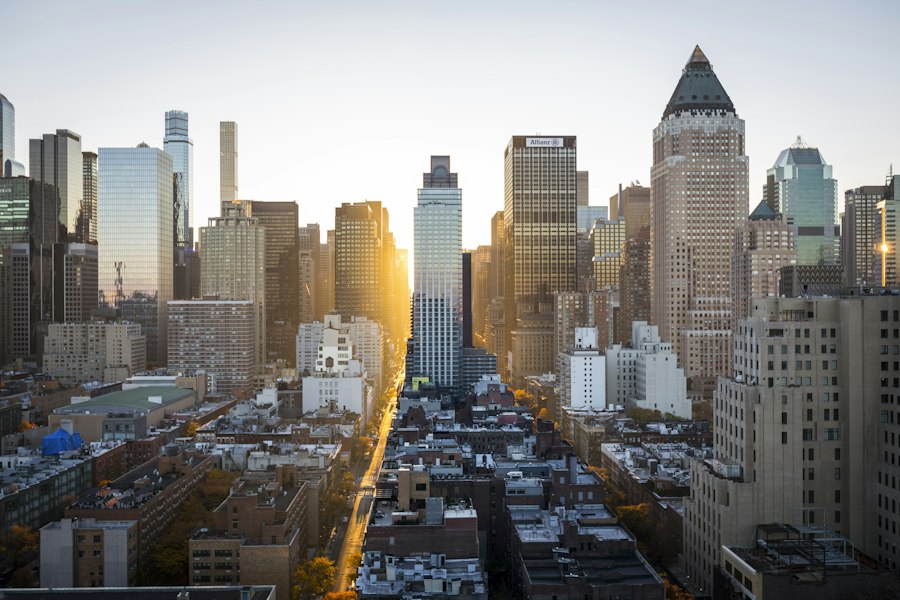
I spent several years of my twenties in Matsuyama. Working part-time at "Popaye," a rental record shop run by Ikegawa, was one of the origins of my music. Forty years have passed since then, and Ikegawa now runs a music café called Café Brú on Odaidori. For me, he's "a former boss and now a cherished friend." I think Matsuyama is the kind of place where such "connections" endure for a long time.
The band scene in Ehime Prefecture is not as large in scale as Tokyo or Nagoya. However, Shiho Ochi of Superfly, Japari Net, and LUNKHEAD all started from high schools and university light music circles in Matsuyama. Because of the regional scale, the distance between people is close. That's the greatest strength of this land. For those of you now looking for band members in Ehime (mainly Matsuyama), I've compiled the current scene and practical ways to find members.
In this article, I've gathered information about live houses in Matsuyama that gather around Odaidori, Ginten-gai, Sanban-cho, and Minato-cho, studios that can be rented for just 600 yen per hour—one of the lowest rates nationwide, regular sessions held every week and month, and even SUGAR VILLAGE, an event where 13 Matsuyama live houses unite in a single night. If you also use Membo for member recruitment, you can search across Matsuyama city, Matsumae, Imabari, and Niihama with map search.
Band Member Recruitment Explained — Basic Flow and Ehime-Specific Characteristics
"Band member recruitment" refers to the overall activity of calling for matching parts (vocal/guitar/bass/drums/keyboard, etc.) through in-person meetings, online platforms, or bulletin boards, and finding companions to perform with. Historically, handwritten flyers at musical instrument stores and recruitment columns in music magazines were the center, but since the 2000s, the focus has shifted to dedicated websites like OURSOUNDS and with9, social media hashtags, and map search and multilingual support apps like Membo.
General Flow of Band Member Recruitment
| Step | What to Do | Time Frame |
|---|---|---|
| ① Clarify Direction | Articulate musical style (J-rock/JAZZ/Soul, etc.), activity frequency (1-4 times per month), and goals (practice only/live performances/original composition) | 1 day to 1 week |
| ② Select Recruitment Channels | Combine 2-3 from: web services (Membo/OURSOUNDS/with9), live house bulletin boards, studio bulletin boards, SNS (#band member recruitment), musical instrument stores, student circles | Day 1 onwards |
| ③ Create Recruitment Post | Specify musical style, activity area, age range, practice frequency, goals, and contact method. Adding specific local proper nouns (venue/studio names) increases response rate | 1-2 hours |
| ④ Communicate with Applicants | Confirm audio samples, experience, and available dates; first do a sound check at a studio (face-to-face → first session) | 1-4 weeks |
| ⑤ Confirm Membership & First Rehearsal | Formally join after agreeing on conditions, start regular practice and gradually increase repertoire | 1 month onwards |
In addition to this nationally common flow, the Ehime (Matsuyama-centered) scene has unique characteristics. ① The main live houses, jazz bars, and jam session venues are densely concentrated within walking distance of central Matsuyama (Odaidori - Ginten-gai - Sanban-cho - Minato-cho), so the efficiency of in-person channels (② of studio/venue visits) is higher than in other prefectures. ② The tradition of university light music circles remains alive, with the option to reach out to the Matsuyama University Light Music alumni community that produced Superfly and Japari Net. ③ Thanks to Ohga Studio's ultra-low rate of just 600 yen per hour, the barrier to "first session" with applicants is extremely low. These differ from the patterns I've written about in Niigata, Nagano, Gifu, and Fukuoka, and are prerequisite conditions unique to Ehime's member-finding approach. For detailed nationwide common member-finding methods, also refer to 5 Common Traits of Those Who Can't Find Band Members and Solutions.
5 Ways to Find Band Members in Ehime
Ehime Prefecture has a population of approximately 1.28 million, with Matsuyama City accounting for about 50 million, or nearly 40% of the prefectural population—a single-city concentration type. Next are Imabari City (approximately 140,000), Niihama City (approximately 110,000), Saijo City (approximately 100,000), and Shikoku Chuo City (approximately 80,000). Band activity centers are concentrated in central Matsuyama (Odaidori - Ginten-gai - Sanban-cho - Minato-cho), with each of Niihama, Imabari, and Saijo having their own scenes. Since they are connected by highways geographically, bands crossing the boundaries of Toshin, Tosho, and Nanyo regions for monthly joint practice sessions are not uncommon.
5 Channels for Band Member Recruitment in Ehime
| Method | Suited For | Practical Value in Ehime |
|---|---|---|
| ① Member Recruitment Sites & Apps | Those who want to efficiently explore a wide range of candidates | Most posts center on Matsuyama. The golden rule is to search "Matsuyama + Matsumae + Iyo" as one unit using map search |
| ② Live House Bulletin Boards & Opposing Bands | Those who want to be remembered, convey seriousness | Frequenting SALON KITTY, W studio RED, MONK, and studio OWL is the shortcut |
| ③ Sessions & Jam | Those who want to check compatibility by playing together on the spot | Turu Blues Session (monthly third Wednesday), JAZZ IN GRETSCH, KEYSTONE BAR |
| ④ Practice Studio Bulletin Boards | Those who want to meet members whose practice schedules align | Ohga Studio (Dogo), Shimamura Gakki Emifull MASAKI, Oto-Niwa |
| ⑤ Musical Instrument Stores & SNS | Those who want to connect locally and with young artists | Shimamura Gakki Emifull MASAKI, Twitter/X #Matsuyama Band, #Ehime Band |
For beginners, the biggest barrier is "not knowing where to start." In Ehime, first check the weekend schedule at SALON KITTY or W studio RED in central Matsuyama and go see one live show in opposing band format—that becomes your first step to connecting with the scene. Since live houses, studios, and jazz bars in central Matsuyama are within walking distance, you can build acquaintances by visiting 1-2 places in an evening.
3 Characteristics of the Ehime Scene — Matsuyama Single-City Concentration, University Light Music Circle Tradition, Tokyo at Half Price
| Characteristic | Details | Impact on Band Search |
|---|---|---|
| ① Walking Distance Concentration in Central Matsuyama | 8 major live houses concentrated in Odaidori, Ginten-gai, Sanban-cho, Minato-cho, Kawara-cho | Can bar-hop multiple venues in one night; short distance to be remembered |
| ② University Light Music Circle Tradition | National-level bands like Superfly (Matsuyama University) and Japari Net (Matsuyama University) originating from light music circles | Matsuyama University, Matsuyama Shinonome Shorten University, Ehime University light music remains the scene's foundation |
| ③ Studio Fees at About Half of Tokyo | Ohga Studio 600 yen per hour, Shimamura MASAKI 1,760-2,200 yen | Affordable pricing. Critical factor for long-term band continuation |
The Ehime scene becomes clear when understood as "everything packed in walking distance of central Matsuyama." SALON KITTY, W studio RED, MONK, studio OWL, Juke Joint Turu—most major live houses are concentrated within walking distance of Odaidori, Sanban-cho, and Minato-cho. Unlike Gifu or Nagano scattered across multiple cities, "everything is accessible if you live in Matsuyama" is the casual approach.
What makes Matsuyama decisively different from other prefectures is the tradition of national-level bands emerging from university light music circles. Superfly's Shiho Ochi was born in Imabari City, attended Matsuyama Shinonome Shorten University, then met Koichi Taho (born in Imabari City) in Matsuyama University's light music circle and formed Superfly. Japari Net also started from Matsuyama University light music in 1999. Matsuyama's university light music circles are not just clubs but have been a springboard to national debut.
Ehime Music Activity — Regional Scale in Numbers
| Indicator | Value | Source/Basis |
|---|---|---|
| Prefectural Population | Approximately 1.28 million | Ehime Prefecture Official Statistics |
| Matsuyama City Population | Approximately 500,000 (about 40% of prefectural population) | Matsuyama City Official Statistics |
| Imabari City Population | Approximately 140,000 (Tosho hub) | Imabari City Official Statistics |
| Niihama City Population | Approximately 110,000 (Tosho) | Niihama City Official Statistics |
| Major Live Houses in Central Matsuyama | 8 or more (Article research) | Official site research |
| Number of Major Studio Chain Stores | 0 (No Noah/Penta/BASS ON TOP) | Official confirmation |
| Travel Time to Tokyo | Matsuyama Airport to Haneda approximately 1h 25m | JAL/ANA Official |
| Travel Time to Osaka | Matsuyama Airport to Itami approximately 50 minutes, Ferry (Orange Ferry) approximately 8 hours | Official sources |
These numbers show that Ehime Prefecture is a "single-city concentrated mid-size scene." Unlike the dispersed type of Niigata or Nagano, concentration in Matsuyama makes the overall picture of the scene easy to grasp within walking distance. On the other hand, the absence of major studio chains and the support of local independent studios parallels Fukuoka, Sapporo, and Niigata.
Estimated Number of Music Activity Participants and Musical Instrument Players in Ehime Prefecture
| Indicator | Estimated Value | Basis |
|---|---|---|
| Ehime Prefecture Musical Instrument Players (estimated) | Approximately 90,000-110,000 | Ministry of Internal Affairs & Communications "Social Life Basic Survey" nationwide musical instrument players 11.4 million × Ehime prefectural population ratio (approximately 1.02%) |
| Of which, Band Activity Experienced (estimated) | Approximately 20,000-30,000 | Private survey showing approximately 20-30% of musical instrument players have band experience |
| Current Active Band Members (estimated) | Approximately 4,000-6,000 | Estimated 10-20% of band experience holders continue currently |
| Prefectural University Light Music/Music Circle Members | Approximately 400-600 | Combined estimate from Matsuyama University/Ehime University/Matsuyama Shinonome Shorten University/Matsuyama Shinonome Women's University/Saint Catalina University |
| Prefectural Musical Instrument Stores | 10 or more stores | Shimamura Gakki Emifull MASAKI/CENTRAL MUSIC/ALL-FREE MUSiC, etc. |
As an estimate, approximately 5,000 current active band members is realistic. When narrowed to central Matsuyama, the density is even higher. That's precisely why area-spanning search methods and broad-area services like Membo where you can specify "Matsuyama+Matsumae+Iyo" or "Matsuyama+Imabari" become effective.
8 Live House Venues in Central Matsuyama — Dense Scene Within Walking Distance

Central Matsuyama has major live houses densely concentrated within an area of approximately 1.5km east-west and 1.5km north-south. Instead of a single large chain, locally independent venues with individual character are thriving. Below are 8 venues organized by scale and characteristics.
SALON KITTY/KITTY HALL — Matsuyama's Longstanding 400-Capacity Venue
| Item | Details |
|---|---|
| Location | 1F, Kitty Building, 138 Kawara-cho, Matsuyama |
| Capacity | Approximately 400 people (KITTY HALL) |
| Hours | 12:00-End of Live, Open Year-Round |
| Features | Matsuyama's longstanding live house. Wide range of performances from amateurs to top artists |
| Official | salonkitty.co.jp |
SALON KITTY is one of Matsuyama's longstanding establishments and serves year-round as a standard venue for national artists' Ehime performances. It's also a goal for local bands stepping up to large venues.
8 Major Live House Venues in Central Matsuyama
| Venue | Location | Capacity | Features | Official |
|---|---|---|---|---|
| SALON KITTY/KITTY HALL | 1F Kitty Building, 138 Kawara-cho, Matsuyama | Approximately 400 | One of Matsuyama's most established. Standard for national tours' Ehime performances | Official |
| W studio RED | B1, B-FLAT Building, 4-10-8 Minato-cho, Matsuyama | Approximately 450 | Matsuyama's largest at 450 capacity. Handles national tours like SiM/NIGHTMARE | Official |
| Double-u Studio | B1, Senifune-cho Building, 4-2-10 Senifune-cho, Matsuyama | Approximately 100 | W studio sister store. For medium and small-scale shows | Official |
| W studio FREE | Minato-cho (same building as W studio RED) | Approximately 120 | One of W studio's three sisters. Small to mid-size events | Sister store |
| Live & Restaurant Bar MONK | 2F, Aihara Building, 1-10-16 Sanban-cho, Matsuyama | 100 seats | Founded 1985, longstanding. Performances by BEGIN, Fumio Karashima and others, grand piano equipped | Official |
| studio OWL | 2F ab's square, 3-6-2 Sanban-cho, Matsuyama | 40-50 people | Live+Rehab Studio+Café combined. 7 minutes walk from Odaidori Station. Well-equipped rehearsal equipment | Official |
| BARTON ex-STANDARD | 1-16-10 Sanban-cho, Matsuyama | Small-scale | Live house bar. Monthly live events on second Sunday | Official |
| Juke Joint Turu | 2F Plum Sanban-cho, 2-10-6 Sanban-cho, Matsuyama | Small-scale | No-charge bar open until 5am. Monthly Turu Blues Session | Official |
Central Matsuyama's characteristic is "everything from large venues (SALON KITTY/W studio RED) to 100-seat class (MONK/Double-u/W studio FREE), 40-50 person studio OWL, and bar-attached BARTON/Turu is available in various scales and styles." For first performance try small-venue opposing bands at studio OWL, when experienced aim for solo shows at SALON KITTY or W studio RED, for bar-oriented atmosphere play MONK or BARTON—a natural step-up progression can be arranged. For details, see What is Booking? Complete Explanation of Live House Performances and Quotas.
MONK is One of Matsuyama's Premier Longstanding Establishments — 40 Years Since 1985
Live & Restaurant Bar MONK was founded May 21, 1985 and already has 40 years of history. Originally opened as a bar, it evolved into a live house through three expansions and renovations. Features performance records of notable musicians like BEGIN, Marine, and Fumio Karashima, accommodating wide genres including jazz, fusion, reggae, and acoustic. With grand piano permanently installed, it's also used for wedding after-parties and recitals. Sanban-cho, 6 minutes walk from Iyo Railway Odaidori Station. It's a "space where people and music always intersect" familiar to central Matsuyama.
studio OWL is a Combined "Live+Practice+Café" Spot
studio OWL is a combined facility where a live house, rehearsal studio, and café are integrated. 2F ab's square, Sanban-cho, 7 minutes walk from Odaidori Station. A vertically long two-story building with high ceilings allows 40-50 people without crowding. Rehearsal studios include drums, keyboard, and amps pre-installed, with guitar lessons also offered. Received management continuation support via crowdfunding in 2020, showing roots in local communities. Everything from a beginner band's first live to weekday rehearsals can be completed at this single location—the greatest appeal.
Matsuyama Live House "Evaluation Axes" and Each Venue's Track Record
When evaluating live houses in regional scenes, unlike Tokyo where user reviews accumulate massively, reliable metrics are "how long have they continued," "who has performed," "how are they connected to the broader scene"—objective continuing track records. Below, the 8 central Matsuyama venues are organized on these three axes.
| Venue | Years of Continuation (as of 2026) | Major Performance Records/Features | Scene Connection |
|---|---|---|---|
| MONK | Approximately 40 years(Founded 1985) | Performance records of notable musicians like BEGIN, Marine, Fumio Karashima. Grand piano equipped, handles jazz/fusion/reggae/acoustic | SUGAR VILLAGE 2025 participating venue (unified 13-venue event) |
| KEYSTONE BAR | Approximately 35 years(Founded 1991) | Modern jazz + film music and pop jazz arrangements. Veteran and young professionals from the prefecture perform. About 80 whisky varieties, regular tasting seminars | Representative of Matsuyama jazz scene, multi-generational regular base |
| SALON KITTY/KITTY HALL | Matsuyama's premier longstanding | 400-capacity. Wide performances from amateurs to premier artists, standard for national tour Ehime shows | Goal venue for local bands' large-venue step-up |
| W studio RED | Current major large-venue | 450-capacity. Handles national tours like SiM/NIGHTMARE | Current scene hub of Ginten-gai and Minato-cho center |
| studio OWL | 2020 Crowdfunding Continued | Live+Rehearsal Studio+Café combined. Management continues with local community support | SUGAR VILLAGE 2025 participating venue, suited for beginner live |
| BARTON ex-STANDARD | Current Sanban-cho | Live house bar, regularly hosts live events monthly on second Sunday | SUGAR VILLAGE 2025 participating venue |
| Juke Joint Turu | Current Sanban-cho | No-charge bar open till 5am, monthly "Turu Blues Session" | SUGAR VILLAGE 2025 participating venue, blues community hub |
| Double-u Studio / W studio FREE | W studio Three Sisters | 100/120-capacity, medium/small-scale shows | Same management as W studio RED, easy step-up sister store configuration |
4 Decision Axes for Choosing Matsuyama Live Houses (Beginner to Intermediate Band Level)
- ① Scale Step-Up — studio OWL (40-50 people) → Double-u Studio/W studio FREE (100-120 people) → MONK (100 seats) → SALON KITTY/W studio RED (400-450 people). "First performance at OWL or small venue, when experienced at mid-size, solo show goal at large venue" allows graduated progression
- ② Match with Musical Style — Jazz/Fusion/Acoustic at MONK, large-scale rock at W studio RED, blues at Juke Joint Turu, jazz appreciation at KEYSTONE BAR, combined experience at OWL
- ③ Scene Unity Participation — MONK / OWL / BARTON / Juke Joint Turu / JAZZ IN GRETSCH etc. are SUGAR VILLAGE 2025 participating venues. "Want exposure to broader scene, frequent participating venues" is efficient
- ④ Trust from Longevity — MONK 40 years and KEYSTONE BAR 35 years of continuation prove "the venue's acoustics and management approach have earned community trust." Years of operation = depth of community rootedness
Individual user reviews can also be confirmed on each venue's official SNS (Twitter/X, Instagram) and Google Maps reviews. For venues considering performances, definitely visit 1-2 times beforehand as an audience member, greet PA staff, and observe lobby atmosphere is recommended. This is the best judgment material about "whether your band will fit" that reviews cannot provide. As stated in What is Booking? Complete Explanation of Live House Performances and Quotas, booking begins from "relationship-building between venue and people."
2 Live House Venues Outside Matsuyama — Imabari and Niihama
Outside Matsuyama, the Tosho areas of Imabari and Niihama have community-rooted live houses. Imabari is the birthplace of Superfly's Shiho Ochi and Koichi Taho, Niihama is the birthplace of Nana Mizuki and SEX MACHINEGUNS ANCHANG—cities with rich roots.
2 Live House Venues in the Tosho Area
| Venue | Location | Features | Official |
|---|---|---|---|
| Jam Sounds | Kitakotaka-cho, Imabari City | Combined live house+musical instrument store+rehearsal studio. Imabari's band hub | Official |
| JEANDORE | Niihama City | Niihama live house and event hall | Official |
Jam Sounds in Imabari is "live house + musical instrument store + rehearsal studio" all in one combined facility. In Superfly's birthplace, it functions as where Imabari musicians gather. JEANDORE in Niihama is Niihama's live house. In the birthplace of Nana Mizuki and ANCHANG, these local performance sites exist.
For band activity in Tosho, from central Matsuyama it's 1-1.5 hours by highway. Monthly practice round-trips are realistic. Bands mixing Tosho members (Imabari/Niihama/Saijo) with Matsuyama-based members exist.
3 Ehime Practice Studios — Starting at 600 Yen Per Hour
Noah/Penta/BASS ON TOP that are standard in Tokyo and Osaka do not exist even one location in Ehime Prefecture. Like Fukuoka, Sapporo, and Niigata, it follows the "local independent studios are the main players" pattern. In Ehime, Ohga Studio (Dogo), Shimamura Gakki Emifull MASAKI (Matsumae), and Oto-Niwa (Matsuyama Dogo Midoridai) form the three pillars.
Major Practice Studios in Ehime
| Studio | Location | Pricing (Estimate) | Features | Official |
|---|---|---|---|---|
| Ohga Studio | 8-18 Kouyou-cho, Matsuyama (Dogo Area) | 1 hour 600 yen(nationwide's lowest rates) | Acoustic Engineering Inc. designed acoustic space. Handles both rehearsal and recording. NEUMANN U89i microphone, multi-track recording available. Free parking 4 spaces, coffee service. No enrollment fee or annual membership | Official |
| Shimamura Gakki Emifull MASAKI Store | 850 Tsutui, Matsumae Town, Iyo County, Emifull MASAKI 1F | Solo practice 770-990 yen/h, Band 1,760-2,200 yen/h | Well-equipped (Marshall/Roland, drums, keyboard, PA). Handles 3-piece to large bands. Stage-like step. Clear pricing | Official |
| Studio Oto-Niwa | 4-2 Dogo Midoridai, Matsuyama | Contact required (Rental booking direct available) | Chugoku-Shikoku's largest music+video specialty. A Studio=vocal monitoring, B Studio=180×450cm full wall mirror (band/dance dual-use). Online live support (high-speed wifi+lighting), professional quality recording | Official |
Noteworthy is Ohga Studio's 600 yen per hour—one of Japan's lowest rates, approximately 1/4 of Tokyo major chains (2,500-4,000 yen/h). Designed by Acoustic Engineering Inc., it's a full-featured acoustic space handling not just rehearsal but recording too. The permanent NEUMANN U89i microphone is a standard high-end choice, with free parking and coffee service included. Split 4 ways, that's 150 yen per person per hour—affordable for college students.
Shimamura Gakki Emifull MASAKI Store in Matsumae Town (next to Matsuyama) in a shopping mall offers the reassurance of full equipment. Oto-Niwa boasts Chugoku-Shikoku's largest scale for serious recording and streaming consideration. "Casual practice at Ohga, full equipment peace-of-mind at MASAKI, professional recording at Oto-Niwa" is Ehime's practical solution.
Using Matsuyama's 3 Studios — Usage-Based Selection Method
Despite being in the same Matsuyama area, the three studios' characters differ significantly. Different purposes show clear suitability variations. Pricing, room count, equipment, intended use, and suited users are compared side-by-side.
| Item | Ohga Studio (Dogo) | Shimamura Gakki Emifull MASAKI (Matsumae) | Oto-Niwa (Matsuyama Dogo Midoridai) |
|---|---|---|---|
| Pricing (per hour) | 600 yen(nationwide's lowest) | Solo 770-990 yen / Band 1,760-2,200 yen | Contact required (direct rental booking) |
| Location | Kouyou-cho, Matsuyama, 2 minutes walk from Yudo-machi bus stop. Near Dogo Onsen | Matsumae Town (adjacent to Matsuyama), inside Emifull MASAKI. Car transportation assumed | Dogo Midoridai 4-2, Matsuyama, car transportation assumed |
| Scale/Rooms | Acoustic-specialty rehearsal and recording combined space | Handles 3-piece to large bands, stage-like step present | A=vocal monitoring/B=180×450cm full-wall mirror (band/dance dual-use) |
| Permanent Equipment | NEUMANN U89i microphone, multi-track recording | Marshall/Roland, bass amp, keyboard, drums, PA, microphone | Professional quality recording equipment, high-speed wifi+lighting for streaming |
| Parking | Free 4 spaces | Emifull MASAKI mall parking (large, free) | Available (verify) |
| +α | Coffee service, no enrollment/annual fee | Clear pricing, musical instrument store attached | Online live support, Chugoku-Shikoku's largest audio+video specialty |
| Best Suited Use | Regular affordable practice, demo recording | First member meet-ups, group practice without personal equipment | Professional recording, streaming live, dance dual-use |
Selection guideline is simple. For long-term regular practice wanting affordability, choose most-affordable Ohga (split 4 ways = 150 yen/h per person). Calling new applicants to meet, choose equipment-complete and clear booking-UI Shimamura MASAKI (safe for applicants without personal equipment). Considering sound release, MV shooting, streaming live, choose Oto-Niwa (Chugoku-Shikoku's largest specialty facility). All 3 rule: "confirm current operations, latest booking methods from official site/SNS/review sites before use." Local independent studios may change rates or booking systems without notice, making phone confirmation before first use recommended. General studio selection theory is in Band Practice Studio Selection — 2,000 Yen Monthly Comparison.
Ehime vs Tokyo vs Fukuoka: 3-City Cost Comparison
| Item | Ehime (Matsuyama) | Fukuoka | Tokyo |
|---|---|---|---|
| Solo Practice Rate (1h) | 600-990 yen | 800-1,200 yen | 1,000-1,500 yen |
| Band Practice Rate (1h) | 1,760-2,200 yen | 1,800-3,000 yen | 2,500-4,500 yen |
| Live House Quota (mid-size first appearance estimate) | 15-25 tickets | 15-25 tickets | 20-35 tickets |
| Major Live House Count | 8 in central Matsuyama | 20+ venues | 300+ venues |
| Major Studio Chain Locations | 0 | 0 | Multiple |
| Parking (equipment transport) | Shimamura MASAKI mall parking, Ohga free 4 spaces | Varies by venue | By venue (many without) |
| Time to Tokyo | Matsuyama Airport→Haneda approximately 1h 25m | Fukuoka Airport→Haneda approximately 1h 45m | — |
Rates are approximately half Tokyo, slightly cheaper than Fukuoka. As noted in Band Practice Studio Selection — 2,000 Yen Monthly Comparison, securing affordable studios is a decisive factor for long-term band continuation. Ehime allows saving over 10,000 yen monthly in studio costs versus Tokyo—10 years means over 1,200,000 yen difference.
With reduced costs, more budget goes to equipment investment and live touring. Find Ehime band members with Membo—map search can cover Matsuyama city, Matsumae, Iyo, Imabari, and Niihama.
3 Ehime Sessions/Jazz Venues — From Monthly Blues to Established Jazz Dojo
Ehime's session culture is blues and jazz as both pillars. Regular monthly and weekly sessions operate in central Matsuyama.
| Venue | Location | Frequency | Genre | Official |
|---|---|---|---|---|
| Turu Blues Session @ Juke Joint Turu | 2F Plum Sanban-cho, 2-10-6 Sanban-cho, Matsuyama | Third Wednesday monthly (Regular from May 2026) | Blues. Inside no-charge bar open till 5am | Official |
| JAZZ IN GRETSCH | 1-5-10 Hokkou-cho, Matsuyama | Irregular (participatory sessions available) | Self-described "Matsuyama's jazz dojo," customers form bands and perform | Official |
| KEYSTONE BAR | 3F Toki Building, 1-10-13 Sanban-cho, Matsuyama | Regular performances | Founded 1991, 35-year jazz bar legacy. Modern jazz + film music/pop jazz arrangements. About 80 whisky varieties | Official |
Juke Joint Turu's monthly blues session is where Ehime's blues enthusiasts gather—a standard. Go to Sanban-cho on third Wednesday evenings and meet blues lovers. JAZZ IN GRETSCH self-describes as "Matsuyama's jazz dojo" with participatory sessions where customers form bands and perform on the spot. Even jazz beginners can easily join the casual atmosphere.
KEYSTONE BAR was founded 1991, already 35+ years of history and represents Matsuyama's jazz scene. Modern jazz by veteran and young professionals from the prefecture, plus about 80 whisky varieties (rare malts/vintage included) enjoyable in the space. Regular tasting seminars also held—a truly professional jazz bar. As noted in Getting Started with Jam Sessions, first session attendance always means watching as audience first. To connect with Ehime's blues/jazz community, start from these 3 venues.
First Session Attendance —Equipment, Fees, Beginner Etiquette
"I want to go but don't know what to bring," "Full instrument sets are heavy, what can be rented on-site," "First time, if someone calls a song I don't know, what do I do"—these are the most common first-session anxieties. Here, each of Matsuyama's 3 venues' assumed equipment to bring, participation fee estimates, and pre-contact necessity are organized. This article's information is current. Before actually going, always verify latest info on official sites/SNS (session schedules, participation fees, post-COVID operations are fluid).
| Venue | Instruments to Bring | Participation Fee Range | Beginner OK? | Pre-Contact Needed |
|---|---|---|---|---|
| Turu Blues Session(Monthly 3rd Wednesday) | Guitar/harmonica/vocal mic recommended. Drums, bass amp likely house equipment (pre-confirm) | No charge bar, only food/drink costs (approx 1,500-3,000 yen) | ◎ Blues uses 12-bar standard form, easy to join | Pre-contact SNS/phone saying "first visit, starting by watching" recommended |
| JAZZ IN GRETSCH(Participatory Jazz Dojo) | Horns, guitar, bass bring. Drums, piano likely house equipment | Food/drink+possible music charge (verify venue, approx 2,000-4,000 yen) | △ Participatory but knowing JAZZ basics (chord progressions, standard songs) helps | Self-described "jazz dojo" is participatory-friendly, pre-inquiry to verify beginner comfort advised |
| KEYSTONE BAR(Regular Live, Modern Jazz Focus) | Sit-in performances limited. Mainly audience-focused heritage jazz bar | Music charge+drinks (approx 3,000-5,000 yen) | ◎ Welcome as audience member | Session participation days limited, performance interest needs pre-consultation |
4 Things Beginners Shouldn't Do at Sessions
- ① Get Absorbed in Own Playing — Sessions are "coordinating sounds with other members." Outside solos, listening to others is paramount.
- ② Don't Ask "What Key?" for Unknown Songs — Self-identify key by ear or hear where singers start the first few bars. Best first time is watching without playing.
- ③ Never Skip Greeting Host/Veteran Players — "First visit, thanks" on arrival is mandatory. Regional scenes judge character and people.
- ④ Don't Assume Sit-In — First visit: expect "observation + 1-2 songs" only. After 3-4 visits becoming regular, then full participation is local rule.
Central Matsuyama's 3 venues are within walking distance, so "Turu → GRETSCH" or "GRETSCH → KEYSTONE" bar-hopping one night is realistic. First month, visit all 3 venues 1-2 times without instruments, learn the vibe and meet regular players—that's the safe approach. General session etiquette is systematized in Getting Started with Jam Sessions, recommended reading before first attendance.
7 Ehime-Based or Ehime-Connected Artists — University Light Music Circle Tradition
Ehime Prefecture has produced capable artists across generations and genres, from nationally-recognized voice actors/singers to mid-level/major J-rock acts. Particularly Superfly (Matsuyama University), Japari Net (Matsuyama University), and LUNKHEAD (Niihama West High classmates)—the pattern of "formed within the prefecture and nationwide debut" repeats, showing Ehime's strength.
| Artist | Birthplace | Genre/Notes | Reference |
|---|---|---|---|
| Nana Mizuki | Niihama City | Born 1980 in Niihama. Voice actor/singer. Lived in Niihama until 15, then relocated. NHK Kohaku regular, first Niihama hometown tourism ambassador (2010), Iyo tourism ambassador (2012) | Wikipedia |
| Shiho Ochi (Superfly) | Imabari City | Born 1984 in Imabari. After Matsuyama Shinonome Shorten University, met Koichi Taho (Imabari native) in Matsuyama University light music circle, forming Superfly. "Love with a Bouquet," "Tender Heart" | Wikipedia |
| Koichi Taho | Imabari City | Born 1982 in Imabari. Former Superfly member. Now composer, arranger, music producer | Wikipedia |
| Yoshirō Ōishi/Ōishi Masayoshi | Uwajima City | Born 1980 in Uwajima. Sound Schedule (2001 major debut) Vo&Gt. Anime songs "I like you best" and more. Iyokan ambassador | Wikipedia |
| ANCHANG (SEX MACHINEGUNS) | Niihama City | Born 1970 in Niihama. SEX MACHINEGUNS Vo&Gt&leader. "Mikan Song" (Ehime mikan comedy masterpiece), "HANABI-la Grand Spin" | Wikipedia |
| Japari Net | Matsuyama-based (bassist Kimimori Kashima born Uwajima) | Formed 1999 at Matsuyama University light music circle. 2004 major debut "Melancholy Intersection," major debut album Oricon top 10, Japan Gold Disc Award "New Artist of the Year" recipient | Wikipedia |
| LUNKHEAD | Niihama West High classmates (Vo&Gt Yoshitaro Ogaka, Gt Takeshi Yamashita=Niihama, Ba Satoru Goda=Shikoku Chuo, Dr Yuichi Sakurai=Gunma Pref Takasaki) | Formed 1999 by Niihama West High classmates. 2004 major debut "White Voice." Self-produced event "Mikan Festival," Pon Juice partnership t-shirts, etc. | Wikipedia |
Notable are two from Matsuyama University light music circle (Superfly+Japari Net) and LUNKHEAD from Niihama West High classmates. "Same prefecture, same school/circle, repeated nationwide debut"—impossible for other prefectures to easily replicate. Regional scale's limited size means close human distance, strong bands emerge. This unchangeable Ehime music scene truth.
Niihama's presence is dense. Nana Mizuki (voice actor/singer), ANCHANG (SEX MACHINEGUNS)—completely different genres, both Niihama natives. LUNKHEAD's key members are Niihama West High classmates. Repeated nationwide-level output from small Tosho cities proves Niihama's music culture depth.
SUGAR VILLAGE — 13 Matsuyama Live Houses Unite One Evening
An event embodying Matsuyama's scene is SUGAR VILLAGE. A live circuit format event where one ticket covers multiple live house venues in Matsuyama, 2025's edition on October 12th saw 13 venues participating.
| Item | Details |
|---|---|
| Format | Live circuit (one ticket tours multiple venues) |
| 2025 Results | October 12, 2025 event, 13 participating venues |
| 2025 Venues | MONK / studio OWL / Colorful / Ys Café / BARTON / JAZZ IN GRETSCH / juke joint Turu / Little Owl / YAH-MAN33 / music & café bar Enban / buko / RECORD BAR 79.7 / VILLAGE BEANS |
| Genres | Pop/Jazz/Acoustic, diverse |
| Organizers | Sugar Village Executive Committee (VILLAGE BEANS Kubo) |
"One night where Matsuyama transforms into a music village" describes this event, symbolizing Matsuyama's live house scene unity. Different genres and sizes, 13 venues moving same day—rare elsewhere. Starting as audience, experiencing Matsuyama's scene breadth is easiest. One evening connects multiple venues' staff, performing bands, local music enthusiasts. Incomparable opportunity.
(2026 scheduling unconfirmed at article publication. October's annual tradition suggests 2026 potential. Verify latest info via related articles)
Member Recruitment Service Comparison — Which to Use in Ehime
| Service | Ehime Post Volume | Features | Best For |
|---|---|---|---|
| Membo | Low (service ~6 months old) | 8-language support, map search, station designation. Matsuyama+Matsumae+Iyo+Imabari+Niihama wide region specialty | Multi-prefecture coverage, wanting international collaborators |
| OURSOUNDS | Medium | Largest post volume domestically, Japanese only | Japanese speakers OK, volume priority |
| with9 | Low | Veteran, simple UI | Long-time users |
| Studio/Instrument Store Bulletin Boards | Medium | Shimamura Gakki Emifull MASAKI, Ohga Studio, Oto-Niwa, etc. | Community-focused offline types |
| Jimo-tii | Medium | Strong region designation, living area match | Close-proximity member seekers |
In "single-city concentrated" prefectures like Ehime, map-based, station-designation services covering Matsuyama core to Matsumae/Iyo suburbs are advantageous. Membo's map search style lets Ehime-specific area sense—"central Matsuyama + suburbs + Imabari/Niihama highway zone"—be reflected in searching.
Ehime-Style Recruitment Post Writing — Central Matsuyama+Shikoku Island Access Utilization
Ehime recruitment posts should include "central Matsuyama walking distance," "Shimamura MASAKI 30 minutes by car," "Matsuyama-Imabari/Niihama 1 hour by highway"—Ehime-specific geographic sense.
| Element | Poor Example | Good Ehime Version |
|---|---|---|
| Activity Area | "Ehime" only | "Central Matsuyama, Sanban-cho focus. Practice at Ohga Studio (Dogo) or Shimamura MASAKI (Matsumae), live at SALON KITTY/W studio RED area. Imabari/Niihama members welcome (monthly 2x = 1 hour highway)" |
| Musical Style | "J-rock" | "Superfly/Japari Net-style soulful J-rock" or "LUNKHEAD/SEX MACHINEGUNS-style emo/punk line" (name local artists) |
| Practice Frequency | "1-2x monthly" | "2x monthly, Saturday nights at Ohga Studio (600 yen/h!)" or "Sunday mornings at Shimamura MASAKI" (specific venue, pricing) |
| Goals | "Want to perform live" | "Studio OWL first live goal, eventually SALON KITTY shows" (specific venues, stages) |
| Member Conditions | "Experience welcome" | "Matsuyama/Iyo Railway line, 20-40s, monthly 2x Saturday practices OK" (area, age, schedule specifics) |
| Light Music Circle Experience | — | "Matsuyama University/Ehime University/Matsuyama Shinonome light music alumni welcome" (tap Matsuyama-specific circle culture) |
Just one local proper noun (Ohga Studio, SALON KITTY, Superfly, Japari Net, etc.) raises trust to "Matsuyama scene knows this person." This is universal regional article rule, like Niigata or Gifu.
Ehime Examples — 3 Easy-to-Success Patterns
"Specifically, what combination of recruitment easily gathers people"—considering Ehime's geography and single-city concentration scene, three realistically workable recruitment patterns organized. No fictional band names or success tales. Instead, "these condition/area/time combinations raise response rate"—practical scenarios shown.
Pattern A: Matsuyama Core+Imabari Commute OK
| Item | Example |
|---|---|
| Activity Area | Matsuyama (Sanban-cho/Minato-cho focus) + Imabari commuters welcomed |
| Practice Frequency/Time | 2x monthly, Saturday 19:00-22:00 |
| Main Practice Venue | Shimamura Gakki Emifull MASAKI (Matsumae, easy Imabari access via Route 33 Iyo IC) |
| Music Style Example | Superfly/Japari Net-style soulful J-rock |
| Why This Works | Imabari is Superfly birthplace with latent musician population; Matsumae midway between. "Imabari-based OK" clearly stated expands Tosho candidate pool 2-3x |
Pattern B: Saturday Morning+University Light Music Alumni Welcomed
| Item | Example |
|---|---|
| Activity Area | Central Matsuyama walking distance (Sanban-cho/Minato-cho) |
| Practice Frequency/Time | 2-3x monthly, Saturday 10:00-13:00 (mornings) |
| Main Practice Venue | Ohga Studio (600 yen/h) |
| Music Style Example | J-rock/Alt — Matsuyama University, Ehime University, Matsuyama Shinonome light music alumni welcomed |
| Why This Works | Saturday mornings suit working adults balancing family/work. "Light music alumni" mention reaches Matsuyama/Ehime University alumni SNS communities, dissemination potential high |
Pattern C: Monthly Travel from Nanyo
| Item | Example |
|---|---|
| Activity Area | Matsuyama core + Uwajima/Ozu monthly joint practices OK |
| Practice Frequency/Time | 1x monthly (3rd Saturday/Sunday), full-day camp (4-6 hour sessions) |
| Main Practice Venue | Shimamura Gakki Emifull MASAKI (mall inside, huge parking, Nanyo 1.5-2h accessible) |
| Music Style Example | Yoshirō Ōishi/Sound Schedule-style melodic rock, or acoustic duo |
| Why This Works | Nanyo (Uwajima/Ozu/Yawatahama) is 1.5-2h from Matsuyama; monthly commitment realistic. "Monthly intensive camp" clarifies expectation, Nanyo-based experienced musicians (Ōishi fans) likely respond |
All three patterns share "area+weekday+specific venue+musical style tag+member conditions" as single set clarity. Conversely, vague "Ehime band member wanted" only loses potential—applied candidates can't determine relevance. Membo's map search and station designation directly mirrors "Matsuyama+Imabari," "Matsuyama+Nanyo" wide region designation. Clear writing methodology found in 5 Common Traits of Those Who Can't Find Band Members and Solutions—reading pre-posting sharpens persuasive post sense.
Ehime vs Matsuyama Suburbs vs Tokyo — 3-Area Comparison
| Item | Central Matsuyama | Ehime (Outside Matsuyama) | Tokyo |
|---|---|---|---|
| Rehearsal Studio Cost (Weekday Night/h) | 1,760-2,200 yen (Shimamura MASAKI), 600 yen (Ohga) | Varies regionally (instrument store attached, etc.) | 2,500-4,000 yen |
| Live House Ticket Quota | First ~15-25 tickets (approx) | First ~10-20 tickets (community-focused, negotiation flexible) | First ~20-35 tickets |
| Member Candidate Pool | Central Matsuyama (~5,000 active estimated) | Tosho (Imabari, Niihama), Nanyo (Uwajima), etc. | Overwhelming volume |
| Major Live House Count | 8 (walking distance dense) | Imabari Jam Sounds, Niihama JEANDORE, etc. | 300+ venues |
| University Light Music Circles | Matsuyama University/Ehime University/Matsuyama Shinonome Shorten University, others | Few | Many |
| Parking (Equipment Transport) | Venue-dependent (MASAKI inside mall very developed) | Regional = enhanced | Venue-dependent (many lacking) |
| Last Train/Bus | ~11pm most routes, some car-necessary | Regional, car-necessary | Routes late final trains |
| Unique Culture | Light music circle tradition, SUGAR VILLAGE unity, etc. | Niihama voice actor/punk culture, Imabari Superfly birthplace, etc. | Overwhelming diversity |
Central Matsuyama's strengths are "major venue walking distance," "light music circle tradition," "Tokyo-half studio pricing," "SUGAR VILLAGE unity-representing". Weekend practice at Ohga or Shimamura MASAKI, monthly 1-2 shows at core venues, occasional air-route Tokyo/Osaka tours—this activity style works. Compared in Band Activity Costs 5,000-60,000 Yen Monthly Breakdown, Ehime suits continuation.
5 Steps to First Central Matsuyama Live House Performance
| Step | Action | Time Frame |
|---|---|---|
| 1. Visit Venues | See minimum 5 opposing-band format shows at SALON KITTY/W studio RED/MONK/studio OWL. Remember staff/booker faces | 1-3 months |
| 2. Prepare Demo/Profile | Audio 2-3 tracks + band profile + one live video (YouTube, etc.) | 2 weeks |
| 3. Booking Inquiry | Official contact form or booker direct email/SNS DM with booking request | 1-2 week response time |
| 4. Accept Offer/Confirm Quota | First show opposing-band format typical, 15-25 ticket quota mid-size expected (small venues no quota or flexible) | 1-2 months before show |
| 5. Day-of Rehearsal/Performance | ~30 min rehearsal time. Amps, drums house equipment | Show day |
SALON KITTY, W studio RED, MONK, studio OWL, Double-u Studio, BARTON, Juke Joint Turu all follow similar flow. Key is "initial venue visit first". Email-only won't move bookers. This is universal all-regional scenes basic rule.
Monthly Band Activity Cost Overview in Ehime
| Item | Minimum | Standard | Committed |
|---|---|---|---|
| Rehearsal Studio (2-4x monthly/4-person split) | 1,200 yen (Ohga) | 3,000 yen | 6,000 yen |
| Solo Practice (2x monthly) | 1,200 yen (Ohga) | 1,500 yen | 2,000 yen |
| Live Observation (1-2x monthly) | 2,000 yen | 4,000 yen | 7,000 yen |
| Drink/Transport | 1,000 yen | 3,000 yen | 5,500 yen |
| Equipment Maintenance/Strings | 500 yen | 1,500 yen | 3,000 yen |
| Live Performance Costs (0-1x monthly) | 0 yen | 3,000 yen | 10,000 yen |
| Monthly Total | 5,900 yen | 16,000 yen | 33,500 yen |
Tokyo's standard would be ~20,000 yen monthly; Ehime hits 16,000 yen—lower. Minimum courses under 6,000 yen monthly utilizing Ohga's 600 yen/h—among Japan's lowest. Compared in Band Activity Costs 5,000-60,000 Yen Monthly Breakdown, Ehime suits long-term continuation. "Want monthly 10,000 yen band budget"—Ehime aligns.
5-Step Ehime Band Member Finding Strategy
Summarizing Ehime-unique strategy. Single-city concentration, light music circle tradition, Tokyo-half costs—these three pressed, member finding needn't be difficult.
| Step | Action | Ehime Focus |
|---|---|---|
| Step 1: Area Self-Diagnosis | Confirm navigable area: central Matsuyama / suburbs (Matsumae/Iyo) / Imabari/Niihama/Saijo / Uwajima etc. | Central Matsuyama dweller = walk/bike/tram reaches all |
| Step 2: Venue Reconnaissance | Visit SALON KITTY/W studio RED/MONK/studio OWL 3+ times. Watch opposing-band formats | College students: SUGAR VILLAGE one night = multiple venues single visit |
| Step 3: Studio Regular Status | Become regular at Ohga Studio (Dogo) or Shimamura MASAKI (Matsumae) | No major chains = local store intelligence strong |
| Step 4: Recruitment Posting | Membo etc. "Matsuyama City," "Iyo Railway Line," "Matsuyama+Matsumae+Iyo" range clarity posting | Area-spanning designation expands candidate count |
| Step 5: University Light Music/Instrument Store Boards | Matsuyama University/Ehime University/Matsuyama Shinonome light music alumni groups, Shimamura MASAKI boards | Matsuyama light music = Superfly/Japari Net birthplace. Alumni networks live |
Ehime's "wait" stance won't work. Large site posting volume not Tokyo-level. Self-venue visits, face-recognition earning=all foundation. 5 Common Traits of Those Who Can't Find Band Members and Solutions reference too.
3 Mental Approaches Continuing Ehime Band Activity
1. "Central Matsuyama Walking Distance" Maximum Usage
Ehime scene's greatest feature: main venues clustered central Matsuyama footable zone. Odaidori, Ginten-gai, Sanban-cho, Minato-cho, Kawara-cho—SALON KITTY, W studio RED, MONK, studio OWL, Juke Joint Turu, KEYSTONE BAR, JAZZ IN GRETSCH scattered nearby. 2-3 venues one night realistic, numerous musicians/staff encountered. "Wait" not Matsuyama style; "walk venues" is.
2. Light Music Circle Legacy Trust
Superfly, Japari Net, LUNKHEAD—all formed within-prefecture high school/university and nationwide-debuted. "Same prefecture, school, circle" from legit bands' history parallels Gifu J-rock lineage, but Matsuyama University light music's density distinctive. Age-irrelevant, "precursor exists land" music-doing reassures. Adult Band Starting Complete Guide-level adult initiation fits Ehime comfort.
3. Cost Affordability Leveraging Long-Term
Ehime = Tokyo ~half-cost, Fukuoka slightly cheaper. Ohga 1h 600 yen = nationwide-elite cheapness means 10,000+ monthly Matsuyama studio savings vs Tokyo. Decade continuing = 1,200,000+ yen advantage—long-term critical. Preserved funds → equipment/tour→multi-year sustain. Adult Band home-protecting music-continuing likewise suited Ehime.
Coworkers finding same-era walk. Membo for Ehime band members—map search, station designation, 8-language support means Matsuyama core to Matsumae/Iyo/Imabari/Niihama cross-region finding possible.
Summary — Central Matsuyama Walking Distance Contains Sure Scene

Ehime Prefecture's band scene appears invisible externally. No major studio chains, venue count fraction Tokyo's. "Scene thin" assumption understandable. Yet investigating reveals central Matsuyama footable zone—SALON KITTY, W studio RED, MONK, studio OWL, KEYSTONE BAR—individually distinct venues thriving densely. MONK 1985-founding, KEYSTONE BAR 1991-founding, 40-35 year legacies presently active.
And Superfly's Shiho Ochi/Koichi Taho (Imabari), Japari Net (Matsuyama), LUNKHEAD (Niihama West High classmates), Nana Mizuki/ANCHANG (Niihama), Yoshirō Ōishi (Uwajima)—generation/genre-distinct artists Ehime's limited scope continuously birth. Matsuyama University light music tradition persists, "in-prefecture form nationwide go" path genuinely works.
Ehime lacks major studio chains, member candidate pool Tokyo's 1/100 under—sure handicap. Offsetting: central Matsuyama footable zone scene density, Tokyo ~half cost, 40-year legacy venues and light music circle tradition. Niigata/Nagano/Gifu-different Ehime-unique fighting stance exists.
I spent twenties years Matsuyama. Popaye part-time music-origin, pool-chan forty-years later now Odaidori Café Brú manages, store-inside 1,000 records, 3,000 CDs flowing—The Style Council's 'Café Brú' named, music-love now flows. Matsuyama = "connections endure place" thus. Now Ehime band-beginning you, that warmth within your cohorts meeting occurs surely.

Find Ehime band members with Membo. Posts stating "Matsuyama City," "Sanban-cho," "Ginten-gai," "Minato-cho," "Matsumae," "Iyo," "Imabari," "Niihama," "Iyo Railway Line" geographic clarity improves near-area member meet likelihood. 8-language support means Matsuyama international student networks equally possible.
Other regions available:
- Finding Band Members by Region (National Overview)
- Finding Band Members in Shikoku — Matsuyama, Takamatsu, Tokushima, Kochi Music Scene
- Finding Band Members in Osaka
- Finding Band Members in Kyoto
- Finding Band Members in Fukuoka
- Finding Band Members in Okinawa
- Band Practice Studio Selection — 2,000 Yen Monthly Comparison
- Band Activity Costs 5,000-60,000 Yen Monthly Breakdown
- What is Booking? Complete Explanation of Live House Performances and Quotas
- Getting Started with Jam Sessions
- Adult Band Starting Complete Guide
- Why Drummer Population is Low — Drummer Shortage Realities and Finding Methods
Ehime your, your band, your sound—central Matsuyama footable zone, light music circle lineage continuation within, your name perhaps engraved. Sanban-cho night, Minato-cho live house, Dogo studio, same-sound seeking cohort certainly exists somewhere.
Frequently Asked Questions (FAQ)
Q. Which instruments are easiest to find members for in Ehime?
A. Vocals and guitar are relatively abundant; bass, drums, and keyboards are chronically short. This parallels nationwide trends but drums especially shortage-chronic in Ehime. Sole Matsuyama limits candidates, so Membo etc. expanding "Matsuyama+Matsumae+Iyo" or "Matsuyama+Imabari/Niihama" is realistic. 30-60 minute radius from central Matsuyama to Matsumae Emifull MASAKI, Iyo County, expands bass/drum candidates 2-3 times. See Why Drummer Population is Low — Drummer Shortage Realities and Finding Methods for details.
Q. Where is Matsuyama's cheapest practice studio?
A. Ohga Studio (Matsuyama Kouyou-cho, Dogo area) = 600 yen/hour, Japan's cheapest tier. Acoustic Engineering Inc.-designed acoustic space handling both rehearsal and recording, permanent NEUMANN U89i professional microphone, multi-track recording available, 4 free parking spots, coffee service. No enrollment/annual fees. Split 4 ways = 150 yen per person hourly—college-student friendly. For equipment-focused use, Shimamura Gakki Emifull MASAKI (Matsumae), professional recording/streaming: Oto-Niwa (Matsuyama Dogo Midoridai).
Q. Are Matsuyama live house ticket quotas high?
A. Matsuyama live house ticket quotas for mid-size first performances run 15-25 copies approximately. Tokyo (20-35) versus relatively lower, 4-person band splits = 1 person 4-7 ticket sales obligation. Small venues like studio OWL (40-50 capacity) or bar-attached BARTON/Juke Joint Turu often no-quota or "opposing-band format quota mutually discussed" flexible approaches, particularly when genuine scene-engagement attitude shown. SALON KITTY/W studio RED large venues = demonstrable draw-promise band goal-stages.
Q. Is band activity realistic outside Matsuyama (Imabari/Niihama)?
A. Yes, realistic. Imabari hosts Jam Sounds (live house+instrument store+rehearsal studio combined), Niihama hosts JEANDORE live house, localized scenes functioning. Imabari = Superfly birthplace (Shiho Ochi/Koichi Taho), Niihama = Nana Mizuki/SEX MACHINEGUNS ANCHANG birthplace, city-rooted deep roots. Matsuyama center ~1-1.5 hour highway distance; monthly joint practices feasible. Mixed-membership bands (Tosho-based Imabari/Niihama/Saijo members + Matsuyama-resident members) exist.
Q. Is Matsuyama University light music circle still scene-central?
A. Yes, Ehime's scene foundation remains. Superfly (Ochi Shiho+Taho Koichi Matsuyama University light music met, forming Superfly), Japari Net (1999 Matsuyama University light music genesis), past-decade repeated nationwide-debutband origination from Matsuyama University light music circles. Current Matsuyama/Ehime University/Matsuyama Shinonome light music circles currently active, SUGAR VILLAGE city-tour events also participating. Age-crossed, light music alumni networks remain community-fabric. Matsuyama University light music OB clubs, Ehime University light music OB clubs SNS community examining, age-irrelevant band-forming paths exist—pragmatic Ehime member-finding single-hand.