I've visited Nagano a few times in summer and for skiing. But the sound that echoed there remains in my memory
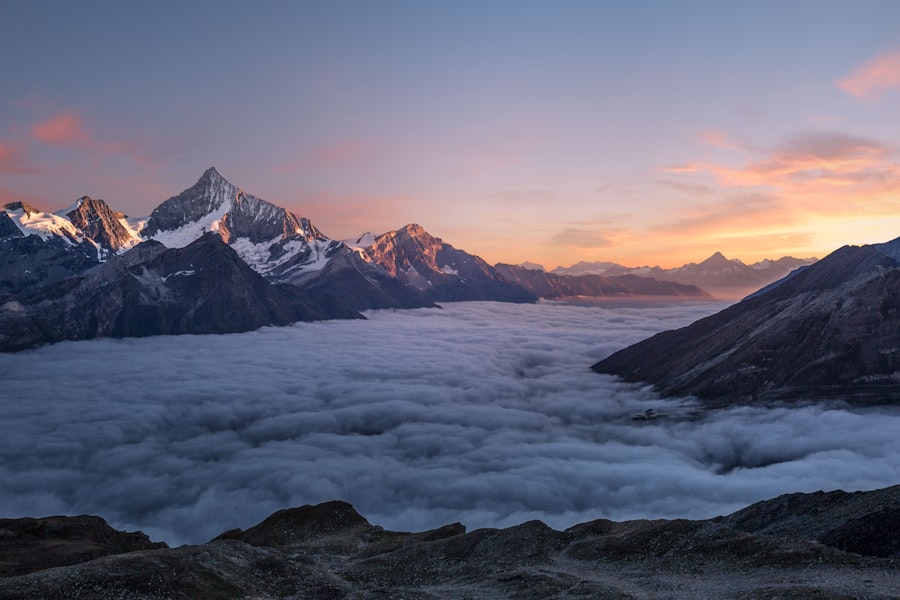
I have never lived in Nagano Prefecture. I've only visited a few times during summer in Karuizawa and winter for skiing. To be honest, my musical experiences there are quite limited. I've never regularly attended live houses, nor do I remember having deep conversations with local musicians. Yet, the resonance of sound in the highland air, the quiet of Shinshu nights—these remain with me. The sound that rings out in that clear air was unlike any venue in Tokyo.
So this time, I researched thoroughly. My conclusion—Nagano's music scene is far deeper and wider than I initially thought.
Nagano City has LIVE HOUSE J and Nagano CLUB JUNK BOX, Matsumoto has ALECX, MOLE HALL, and Hakobune, Ueda has LIVEHOUSE #break and Radius, Suwa has CLUB ROCK HEARTS and Doors, and Karuizawa has Oga Hall. Artists from the region include King Gnu (Ina City), GLIM SPANKY (Shimo-Ina, formed at Matsukawa High School), Kamijo Chihiro of 9mm Parabellum Bullet (Tatsuno Town), Higuchi Ai (Nagano City), and Miyakawa Kenichi (Suwa City)—names of completely different generations and genres all emerge from a single prefecture. In summer, the Seiji Ozawa Matsumoto Festival (OMF) brings together world-class musicians.
In this article, I've compiled comprehensive information about finding band members in Nagano, centered on Nagano City, Matsumoto, Ina, Suwa, Ueda, and Karuizawa, including 10 live houses, 3 practice studios, session information, 7 local artists, music festivals, comparison of member recruitment services, and a three-city comparison with Tokyo and Niigata. If you're looking for band members in Nagano, I recommend also using Membo for member recruitment, which supports 5 languages. You can search across Nagano City, Matsumoto, and Ina using map search.
5 Methods to Find Band Members in Nagano
Nagano Prefecture stretches north-south and is divided east-west by mountains. Nagano City (Hokushin) and Matsumoto City (Chushin) are about 70km apart and take over an hour by expressway. Ina and Iida (Nanshin) take another hour from Matsumoto. In other words, if you lump "Nagano Prefecture" together, you lose a sense of distance. The first step in finding band members is to identify which area you can actually commute to.
5 Channels for Nagano Band Member Recruitment
| Method | Best For | Practical Use in Nagano |
|---|---|---|
| ① Member recruitment websites/apps | Those who want to efficiently search a wide range of candidates | The pool is about 1/10 of Tokyo's. Using multiple services simultaneously is practical |
| ② Live house bulletin boards/split bills | Those who want to be remembered and show commitment through face-to-face interaction | Becoming a regular at Nagano LIVE HOUSE J and Matsumoto ALECX is the shortcut |
| ③ Sessions and jam sessions | Those who want to check chemistry by playing together on the spot | Nagano City BackDrop (last Friday of month), Matsumoto Jazz Gahou, Suwa CLUB ROCK HEARTS, etc. |
| ④ Practice studio bulletin boards | Those who want to meet members whose practice schedules align | G-STUDIO MUSIC (Nagano City), Shimamura Music Matsumoto, Winner Instruments (Nagano City) |
| ⑤ Musical instrument stores and SNS | Those who want to connect locally and with young talent | Shimamura Music Matsumoto/Nagano, Twitter/X #NaganoBand search |
For beginners, the biggest hurdle is "not knowing where to start." In Nagano, the first step is to check the Nagano LIVE HOUSE J or Matsumoto ALECX schedule this weekend and catch a split-bill style live show—that's how you first connect with the scene. If you're in Nanshin (Ina/Iida), starting from local school cultural festivals or street performances is also an option.
Nagano Prefecture's Band Scene — Three Scenes Separated by Mountains
Nagano Prefecture has a population of about 2 million. The prefectural capital, Nagano City, has about 370,000 people, followed by Matsumoto City (about 240,000), Ueda City (about 150,000), Iida City (about 90,000), and Saku City, Suwa City, and Ina City. The defining characteristic is "independent scenes split among four basins"—Hokushin (Nagano City), Toshin (Ueda, Karuizawa), Chushin (Matsumoto, Azumino), and Nanshin (Ina, Iida) are separated by mountains and have distinct communities.
Three Characteristics of Nagano's Scene
| Characteristic | Details | Impact on Band Search |
|---|---|---|
| ① Four-area distributed type | Nagano City (Hokushin)/Matsumoto (Chushin)/Ueda-Karuizawa (Toshin)/Ina-Iida (Nanshin) are separated by mountains | Don't search "Nagano Prefecture" as one, area designation is essential |
| ② Convenient Tokyo access via Hokuriku Shinkansen | To Nagano City about 1 hour 30 minutes, to Karuizawa about 1 hour 10 minutes, to Matsumoto about 2 hours 30 minutes by Limited Express Azusa | Tokyo residents can commute, band activities within commuting range are possible |
| ③ Rich classical music culture | OMF Matsumoto, Karuizawa Oga Hall, legacy of Seiji Ozawa | Beyond rock, there's a rich foundation for jazz, classical, and singer-songwriter music |
Nagano's scene is best understood as "a collection of four independent basin cultures". King Gnu's Hiroki Tsujota and Osamu Inokuchi are childhood friends from Ina City, GLIM SPANKY was formed at Matsukawa High School in Shimo-Ina, Kamijo Chihiro of 9mm Parabellum Bullet is from Tatsuno Town—there's notable output from Nanshin (Ina Valley), while Higuchi Ai is from Nagano City and Miyakawa Kenichi from Suwa City, with national-level artists emerging from every area of the prefecture.
Nagano Prefecture's Music Activity — Understanding Scale Through Numbers
| Indicator | Figure | Source/Basis |
|---|---|---|
| Prefectural population | About 2 million | Nagano Prefecture official statistics |
| Nagano City population | About 370,000 (prefectural capital) | Nagano City official statistics |
| Matsumoto City population | About 240,000 (Chushin center) | Matsumoto City official statistics |
| Major core cities | Ueda/Iida/Saku/Suwa/Ina/Azumino, etc. | Each city official |
| Nagano live houses (major) | 10 or more (this article's research) | Each official website survey |
| Major studio chain locations | 0 (Shimamura Music and local stores) | Each company official confirmation |
| Travel time to Tokyo | To Nagano City about 1 hour 30 minutes via Hokuriku Shinkansen, to Karuizawa about 1 hour 10 minutes, to Matsumoto about 2 hours 30 minutes by Limited Express Azusa | JR East official |
| Seiji Ozawa Matsumoto Festival | Held August-September annually, 2026 dates August 16-September 2 (18 days) | OMF official |
| Karuizawa Oga Hall | Opened 2005, donated by Norio Oga, former Sony chairman | Karuizawa Oga Hall official |
These numbers show that Nagano Prefecture is "a mid-sized scene connected to Tokyo by Shinkansen, distributed across four areas, with strong classical coloring". Unlike Ibaraki or Niigata, Nagano's defining feature is the distinct personality of each mountain-separated basin.
Estimated Number of Music Activities and Instrument Players in Nagano Prefecture
By estimating Nagano's music activity scale from public data, we can see the general level.
| Indicator | Estimated Value | Basis |
|---|---|---|
| Nagano Prefecture instrument players (estimated) | Approximately 150,000-180,000 | Ministry of Internal Affairs "Survey of Time Use and Leisure Activities" national instrument-playing population 11.4 million × Nagano prefecture population ratio (about 1.6%) |
| Among them, band experience (estimated) | Approximately 30,000-50,000 | Private surveys indicating about 20-30% of instrument players have band experience |
| Current active band members (estimated) | Approximately 6,000-10,000 | Estimate that 10-20% of band experience holders are currently active |
| Prefectural university light music/music club members | Approximately 500-900 | Combined estimate of Shinshu University/Nagano University/Suwa Tokyo Science University/Matsumoto University/Shinshuu Toyonan Junior College, etc. |
| Prefectural musical instrument stores | 10 or more stores | Shimamura Music/Winner Instruments/various local stores combined |
While estimates, thinking about finding members among approximately 10,000 active band members gives a sense of a community about 1/10 the size of Tokyo. However, since it's distributed across four areas, the subjective experience will feel even smaller. That's why cross-area search methods, considering Tokyo commuting members, and using broad-based services like Membo become effective.
Three Live Houses in Nagano City — The Center of Hokushin Scene

One center of Nagano Prefecture's music scene is Nagano City. Within a 5-10 minute walk from Nagano Station's Zenko-ji Exit, venues ranging from a large 400-capacity house to a 250-capacity mid-size venue and jazz clubs are concentrated.
Nagano CLUB JUNK BOX — The Prefecture's Largest Main Stage
| Item | Details |
|---|---|
| Location | Nagano City Minami-Sengatsu 1-16-1-6 BMB 4F |
| Access | 5 minutes walk from JR Nagano Station Zenko-ji Exit |
| Capacity | About 400 people (standing) |
| Features | Relocated to new building near Nagano Station in October 2021. JUNK BOX chain's Nagano location. Standard tour stop for national tours |
| Official | junkbox.co.jp/nagano |
Nagano CLUB JUNK BOX can be said to be the center point of Nagano Prefecture's Hokushin scene. Moved to a new building in front of Nagano Station in October 2021, strengthening both access and facilities.
Three Major Live Houses in Nagano City
| Venue | Location | Capacity | Features | Official |
|---|---|---|---|---|
| Nagano CLUB JUNK BOX | Minami-Sengatsu 1-16-1-6 BMB 4F | About 400 | 5 min walk from JR Nagano Station. Prefecture's largest class. Relocated 2021, JUNK BOX chain | Official |
| LIVE HOUSE J | Minami-Sengatsu-cho 826 MyTownC-one | About 250 | 3 min walk from JR Nagano Station West Exit. Historic since 1993. Hub for Japanese rock and indie music | Official |
| Jazz Club BackDrop | Nagano City Minami-Ishido-cho | About 40 | Within walking distance of Nagano Station. Jazz-focused, open mic and sessions on last Friday of month (blues/funk, etc.) | Official |
Nagano City's characteristic is having venues of different scales and genres: "JUNK BOX's large hall," "LIVE HOUSE J's mid-size venue (since 1993, historic)," and "BackDrop's jazz club." For a debut, split bills at LIVE HOUSE J, once experienced move to JUNK BOX for one-mans, jazz lovers try BackDrop's sessions—such step-ups and different applications are possible. For details, see What is Booking? Complete Explanation of Live House Appearances and Ticket Quotas.
Three Live Houses in Matsumoto City — Chushin Scene and Music Festival City

Matsumoto is another core alongside Nagano City when discussing Nagano Prefecture's music scene. Known as the city where the Seiji Ozawa Matsumoto Festival (OMF) brings world-class musicians together every summer, Matsumoto also has a solid rock scene. Three characteristically different live houses are concentrated in Matsumoto Station's Shinshin area.
Three Major Live Houses in Matsumoto City
| Venue | Location | Capacity | Features | Official |
|---|---|---|---|---|
| LIVEHOUSE ALECX | Shinshin 1-2-8 NOVA Building B1 | About 300 | 5 min walk from JR Matsumoto Station. Matsumoto's largest main stage. Hours 12:00-24:00 | Official |
| MOLE HALL | Shinshin 1-2-15 Century Maxim Building B1F | Up to about 400 | Opened 2010. Underground club and live house. From DJ events to live bands | Official |
| LIVE HOUSE Hakobune | Oote 1-3-30 New Oote Building 1F | About 100 | Matsumoto Castle area's "Ima-machi" district. Restarted as "Hakobune" in 2020s from former "a.C". Community-oriented, supporting high schoolers | Official |
Matsumoto's characteristic is "two mid-to-large venues, ALECX (300 people) and MOLE HALL (400 people), lined up in Shinshin". It's rare in regional cities to be able to hop between different events on the same night. Hakobune has a "support for high school band debuts" attitude with strong local roots. For a debut try Hakobune, once established try ALECX, for club events try MOLE HALL—such differentiation is possible.
Matsumoto also has abundant public halls like Matsumoto City Music Culture Hall (Harmony Hall) and Matsumoto Civic Arts Center, with a rich foundation for diverse music from classical to wind bands. This is a strength unique to Matsumoto in Nagano Prefecture.
Four Live Houses in Ueda, Suwa, Karuizawa, and Nanshin
Beyond Nagano City and Matsumoto, Nagano Prefecture has characteristically different scenes scattered throughout. Ueda, a castle town of the Sanada clan, has a young band hub; Suwa, a lakeside hot spring town, has an established live house with attached studio; Karuizawa has Oga Hall centered on classical music and a music lodge; Nanshin (Ina/Iida) is the soil that produced King Gnu and GLIM SPANKY.
Main Live Houses in Ueda, Suwa, Karuizawa, and Nanshin
| Venue | Location | Capacity | Features | Official |
|---|---|---|---|---|
| LIVEHOUSE #break | Ueda City Chuo (within walking distance of Ueda Station) | — | Young band hub in Ueda. Weekdays 10:00-22:00, weekends/holidays 9:00-22:00 | Official |
| Live&Bar Radius | Ueda City Chuo 5-1-1 | — | Within walking distance of Ueda Station. Bar-attached, constantly recruiting performers. Local band exchange hub | Official |
| CLUB ROCK HEARTS (Kami-Suwa) | Suwa City Suehiro 2-2 Yamato Building 3F | About 200 | Within walking distance of JR Kami-Suwa Station. Live house and rehearsal studio combined. Suwa's core | Official |
| Karuizawa Oga Hall | Karuizawa-cho Karuizawa East 28-4 | 784 seats (pentagonal hall) | Opened 2005, donated by Norio Oga, former Sony chairman. Classical-centered, also jazz and singer-songwriters | Official |
Noteworthy is Suwa's CLUB ROCK HEARTS. It combines a live house with a rehearsal studio, with a design allowing "practice → performance" to happen in one location, which is unique to regional cities. Bands active around Suwa will find it efficient to make this their base.
Karuizawa Oga Hall differs in character from rock live houses, but is known for its unique pentagon-shaped design's acoustics. Though classical-focused, it's also used for jazz and singer-songwriters, and it's worth experiencing as a customer if you want to understand "Nagano's sound." Its location just 1 hour 10 minutes from Tokyo by Shinkansen makes access easy from Kanto.
Nanshin (Ina/Iida) has few dedicated live houses, but "non-venue-specific activity" is active in local high school cultural festivals, community center halls, and small cafe live shows. That King Gnu and GLIM SPANKY emerged from here reflects the depth of the region's music culture.
Three Practice Studios in Nagano — Local and Shimamura Music

Noah/Penta/BASS ON TOP, standard in Tokyo and Osaka, have zero locations in Nagano Prefecture. This situation is common in many regional cities like Ibaraki and Niigata. Instead, choices center on G-STUDIO MUSIC in Nagano City, Winner Instruments, and Shimamura Music Matsumoto.
Major Practice Studios in Nagano
| Studio | Location | Band Rental (Approximate) | Features | Official |
|---|---|---|---|---|
| G-STUDIO MUSIC | Nagano City Nishi-Wada 1-11-46 | 1 hour ¥1,200-1,800 | Music studio/school in north Nagano City. Band practice, individual practice, recording available | Official |
| Winner Instruments (Studio) | Nagano City Tsuruga-Tamachi 2101 | 1 hour ¥1,500-2,000 | Not membership-based but first-come-first-served, reservable up to one month ahead. Both individual and band | Official |
| Shimamura Music Matsumoto (Studio) | Matsumoto City | 1 hour ¥1,500-2,000 | National chain security. Amps, PA, drums included. One-stop for band scores and cable purchases | Official |
Additionally, Nagano City Arts Hall has various practice rooms (piano installed), 24-hour band studios in Matsumoto, and Suwa CLUB ROCK HEARTS' attached studio. Notably, CLUB ROCK HEARTS offers "practice → performance" in the same building—an advantage hard to find in Tokyo.
Nagano vs Tokyo vs Niigata Practice Studio Rate Comparison
| Item | Nagano | Tokyo (Reference) | Niigata (Reference) |
|---|---|---|---|
| Band practice (weekday evening/6-8 tatami) | ¥1,200-2,000/h | ¥1,400-2,500/h | ¥1,200-1,800/h |
| Individual practice (1 hour) | ¥500-900 | ¥600-900 | ¥500-800 |
| Membership system | Varies by store, no common card | Store-specific, no common card | Local chains exist like MUSIC PLANT Niigata |
| Major chains | 0 stores (Shimamura Music is center) | Noah/Penta/BASS ON TOP and many others | 0 stores (local chains + Shimamura Music) |
Rate differences align with Niigata and Ibaraki, with Nagano practice costs 20-40% cheaper than Tokyo. As written in How to Choose a Band Practice Studio, whether you can afford studios at sustainable rates is crucial for long-term band continuity.
With reduced costs, you can allocate more time and energy to equipment investment and member search. Use Membo to recruit band members in Nagano—search across Nagano City, Matsumoto, and Ina using map search.
Three Nagano Session/Jazz/Open Mic Spots
Nagano's session culture has deep roots in jazz and blues. Matsumoto has Eonta, a long-established jazz kissaten from 1974, Nagano City has BackDrop's monthly last-Friday open mic and sessions, and Suwa's CLUB ROCK HEARTS occasionally hosts sessions.
| Venue | Location | Frequency | Genre |
|---|---|---|---|
| Jazz Club BackDrop | Nagano City Minami-Ishido-cho | Last Friday of month | Open mic and sessions (blues, funk, jazz) |
| JAZZ Gahou Kitaya | Matsumoto City | Irregular | Historic jazz kissaten. Live and sessions |
| Eonta (Matsumoto) | Matsumoto City Central | Irregular | Historic jazz kissaten founded 1974. Both records and live performance |
Nagano City's Rosebery Cafe hosts "Roze Cafe Open Mic" on the second Friday of each month, with regular soul and blues sessions. As written in How to Start Jam Sessions, your first session visit should always be as an audience observer. For Nagano residents, starting by understanding the area's jazz and blues atmosphere is wise.
Seiji Ozawa Matsumoto Festival (OMF) and Karuizawa Oga Hall — Nagano's Unique Music Culture

When discussing Nagano Prefecture's music scene, one cannot overlook the Seiji Ozawa Matsumoto Festival (OMF). 2026 dates are August 16-September 2, an 18-day run. Saito Kinen Orchestra (SKO) concerts, community concerts, chamber music seminars, and educational programs for Nagano's elementary and middle school students—every summer, Matsumoto becomes the center of world music.
OMF 2026 Overview
| Item | Details |
|---|---|
| Official name | Seiji Ozawa Matsumoto Festival (OMF) |
| 2026 dates | August 16-September 2, 2026 (18 days) |
| Main venues | Kissei Culture Hall, Matsumoto Civic Arts Center, Harmony Hall, Matsumoto Agatanomori Cultural Center, etc. |
| Main performances | 4 orchestra concerts, 3 community concerts, chamber music seminars (Okushiga Highlands) |
| History | Started 1992 as "Saito Kinen Festival Matsumoto," renamed OMF in 2015 |
| Official | ozawa-festival.com |
While OMF is a classical festival, its significance in establishing "a city with music" culture in Matsumoto is substantial. For band members, summer Matsumoto offers the opportunity to see world-class performers. Experiencing OMF annually alongside local live houses is a privilege for Nagano-based band musicians.
Karuizawa Oga Hall — Pentagon-shaped Acoustics in the Highlands
Karuizawa Oga Hall was donated by Norio Oga, former Sony chairman, in 2005. Known for its unique pentagon shape and beautiful classical resonance, it's a valued concert space. While slightly apart from band activity, experiencing "Nagano's musical culture" as an audience member is worthwhile. Just 1 hour 10 minutes from Tokyo by Shinkansen, touching music during a summer vacation is a strength unique to Nagano.
Additionally, Karuizawa's music lodge "Yuugen-so" offers camp-style practice facilities used for band camps and music residencies.
Seven Nagano-Born and Related Artists
Nagano Prefecture has produced numerous national-level artists. Having "accessible stars" from your own community builds motivation and scene depth.
| Artist | Origin | Genre/Notes |
|---|---|---|
| King Gnu (Hiroki Tsujota and Osamu Inokuchi) | Ina City | Tsujota (b.1992, Gt/Vo) and Inokuchi (b.1993, Vo/Key) are childhood friends from Ina. Formed 2013, major debut 2019 with "White Day," becoming a top band |
| GLIM SPANKY | Shimo-Ina (both members from Nagano) | Formed 2007 at Matsukawa High School's cultural festival to perform BUMP OF CHICKEN's "Alue." Major debut 2014, representative female-fronted alternative rock band |
| 9mm Parabellum Bullet Kamijo Chihiro | Tatsuno Town, Kami-Ina County | Drummer. 2015 named Tatsuno Town "Hometown Partner." Left 9mm end of 2025, now directs "Kamijo Chihiro Drum Lab" |
| Higuchi Ai | Nagano City (raised) | Singer-songwriter. Major debut 2016. 2022's "Demon Child" (anime 'Attack on Titan' ED) topped J-Pop charts in 120 countries |
| Miyakawa Kenichi | Suwa City | Born 1946, enka singer. 1966's "Yanagigase Blues" was a mega-hit with 1.2 million copies. Veteran representative artist of Nagano |
| Dir en grey Toshiya | Nagano Prefecture | Bassist for visual rock band Dir en grey. Formed 1997, highly popular overseas |
| SOPHIA Toshinobu Shio | Saku City, Nagano | Keyboard/composition for SOPHIA. Formed 1994, representative of 90s-2000s Japanese rock |
Notable is concentrated output from Nanshin (Ina Valley)—King Gnu (Ina), GLIM SPANKY (Shimo-Ina), 9mm Kamijo Chihiro (Tatsuno Town)—three major acts from just the Ina Valley area. This likely reflects the richness of Ina Valley's high school cultural festivals and regional music activity nurturing young bands. GLIM SPANKY's formation at a high school cultural festival is symbolic.
Seven artists of differing styles—alternative rock, hard rock, singer-songwriter, enka, visual rock—from Nagano. No matter your musical style, there's potential to find your place in Nagano, making this an important point.
Member Recruitment Service Comparison — What to Use in Nagano
| Service | Nagano Posts | Features | Best For |
|---|---|---|---|
| Membo | Low (service under 6 months) | 5 languages, map search, station-specific | Those considering foreign residents in Karuizawa, students in Matsumoto |
| OURSOUNDS | Medium | Japan's largest posting volume, Japanese only | Those seeking volume, Japanese speakers only needed |
| Studio/Store bulletin boards | Medium | Shimamura Music Matsumoto, G-STUDIO MUSIC | Offline-oriented, community-focused |
| Jimo-tee | Medium | Strong regional targeting, living-area matching | Those seeking nearby members |
In a "four-area-distributed, mountain-separated prefecture" like Nagano, using multiple services simultaneously is essential. A single service won't provide enough candidates, and tends to skew toward specific areas. New services like Membo have lower post volumes but offer unique 5-language support reaching foreign villa residents in Karuizawa and students in Matsumoto, unavailable elsewhere.
Evaluation Tendencies and Usability in Nagano for Each Service
| Service | Nagano User Evaluation Trend | Usability Points |
|---|---|---|
| Membo | New service but gaining appreciation for "map-filtering Nagano City/Matsumoto/Ina/Karuizawa" and "translation reaching foreign villa residents in Karuizawa" | Reaching foreign villa residents and students—Nagano's unique strength |
| OURSOUNDS | "High post volume but Tokyo-heavy" and "weekly Nagano posts number just a few" | Regular reposting needed for visibility |
| Jimo-tee | "Strong regional focus, reaches nearby members" | Effective when forming within same basin (Nagano/Matsumoto city) |
| Twitter/X #NaganoBand | "Surprisingly catches posts, photos/audio pair well" | Hashtag management is key, especially effective in medium cities like Ina/Ueda |
Evaluations vary, so testing multiple services is best. As written in Comprehensive Comparison of Band Member Recruitment Sites and Apps [2026 Edition], finding "services matching your style" requires trying them. There's no one perfect answer.
Writing Recruitment Posts for Nagano — Area Specification and "Commuting Range Expansion" Strategy
Nagano's greatest assets are "excellent access to Tokyo via Shinkansen (1-1.5 hours)" and "four independent area scenes". Incorporating these into recruitment posts reaches demographic groups other prefectures can't tap.
| Element | Poor Example | Good Example for Nagano |
|---|---|---|
| Activity area | "Nagano" only | "Nagano City/Shinetsutsu Line area. Karuizawa, Saku area also welcome, Tokyo Shinkansen commuters OK" |
| Music style | "Japanese rock" | "King Gnu/GLIM SPANKY/9mm style alternative to mix" (mentioning local artists) |
| Practice frequency | "1-2 times/month" | "Twice monthly, G-STUDIO MUSIC (Nagano) Saturday nights" or "Shimamura Matsumoto Sundays" (specific venue/day) |
| Goals | "Want to perform live" | "First live at LIVE HOUSE J, eventually JUNK BOX" (specific venues, shows commitment) |
| Member conditions | "Experienced welcome" | "Nagano City/Shinetsutsu Line/Karuizawa residents, ages 20-40, can make twice-monthly practice" (area-limited realistic criteria) |
| Karuizawa-specific angle | "Karuizawa residents welcome" | "Within walking of Karuizawa Station, seasonal participants OK, English-speaking foreign members also welcome" (international angle) |
Simply including one local reference (Nagano LIVE HOUSE J, G-STUDIO MUSIC, King Gnu, etc.) immediately boosts recruitment credibility. "Someone who understands Nagano's scene wrote this" becomes apparent. While true of Ibaraki and Niigata too, Nagano can add another layer with "Tokyo Shinkansen access," "Karuizawa's foreign population," "OMF world music connection"—advantages other prefectures lack.
Nagano vs Tokyo vs Niigata — Three-Area Comparison
Nagano is geographically close to Tokyo and Niigata. Understanding the differences among three areas when starting band activity makes decision-making clearer.
| Item | Nagano | Tokyo | Niigata |
|---|---|---|---|
| Practice studio rate (weekday evening/h) | ¥1,200-2,000 | ¥1,400-2,500 | ¥1,200-1,800 |
| Live house ticket quota | First show ~15-20 tickets (approx.) | First show ~20-30 tickets | First show ~15-20 tickets |
| Member candidate pool | Small (estimated ~10,000 active, 4-area distributed) | Overwhelmingly large | Medium (estimated ~12,000 active) |
| Split bills (main venues, monthly) | Nagano JUNK BOX/Matsumoto ALECX ~15-25/month | Hundreds metro-wide | Niigata City ~20-30/month |
| Parking (equipment loading) | Abundant in Nagano/Matsumoto, also Karuizawa | Varies (many venues lack) | Abundant in Niigata City |
| Last train/bus | Near-station venues within 10 min walk, early closing | Late-running transit | Niigata Station area good margin |
| Tokyo scene access | Shinkansen 1.5 hours (Nagano)/1.1 hours (Karuizawa), Limited Express Azusa 2.5 hours (Matsumoto) | — | Joetsu Shinkansen ~2 hours |
| Unique culture | OMF/Saito Kinen, Karuizawa Oga Hall, four-basin culture | Overwhelming diversity | Niigata Jazz Street, ROCK ON Dai-Niigata |
Nagano's strengths are "low costs," "Tokyo proximity (especially Karuizawa/Nagano City)," "rich classical culture," "four area options". Weekend practice locally (Nagano City/Matsumoto), monthly Tokyo shows, summer at OMF for world music—this activity pattern is uniquely available to Nagano musicians.
Five Steps to Matsumoto ALECX Appearance (Booking Procedure)
| Step | Action | Target Timeframe |
|---|---|---|
| 1. Attend venues regularly | Attend at least 5 split bills at Matsumoto ALECX/MOLE HALL. Become familiar with staff/booker faces | 1-3 months |
| 2. Prepare demo/profile | 2-3 demo songs + band profile + one live video (YouTube, etc.) | 2 weeks |
| 3. Booking inquiry | Contact via official site form or direct booker email/SNS DM for booking request | Response within 1-2 weeks |
| 4. Confirm offer/quota | First appearances are split-bill format. Ticket quota ~15-20 typical. Quota-sold revenue is band's | Confirmed 1-2 months before show |
| 5. Day-of sound check/performance | Sound check ~30 min. House amp/drums available, own gear optional | Performance day |
Nagano JUNK BOX/LIVE HOUSE J, Ueda #break/Radius, Suwa CLUB ROCK HEARTS follow basically the same flow. The key is "showing up at venues first". Email alone won't move bookers. This is fundamental to booking acquisition in regional scenes everywhere.
Full Monthly Cost Picture for Continuing Band Activity in Nagano
| Item | Minimal | Standard | Full |
|---|---|---|---|
| Practice studio (2-4×/month, 4-person split) | ¥1,500 | ¥3,500 | ¥7,000 |
| Individual practice (2×/month) | ¥1,000 | ¥1,500 | ¥2,500 |
| Live attendance (1-2×/month) | ¥2,000 | ¥4,000 | ¥7,000 |
| Drinks, transport | ¥1,000 | ¥3,000 | ¥5,500 |
| Gear maintenance, strings | ¥500 | ¥1,500 | ¥3,000 |
| Live appearance costs (0-1×/month) | ¥0 | ¥3,000 | ¥10,000 |
| Monthly Total | ¥6,000 | ¥16,500 | ¥34,000 |
In Tokyo, standard tier costs ~¥20,000/month, while Nagano comes in under ¥16,500. Compared to Band Activity Costs: ¥5,000-¥60,000 Monthly Breakdown, Nagano is sustainable. "Not enough budget for Tokyo commuting, but serious band in a regional area"—Nagano is right for this profile.
Five Steps to Finding Band Members in Nagano
Organizing Nagano-specific strategies: four-area distribution, Tokyo access, classical culture depth—master these three and member finding isn't difficult.
| Step | Action | Nagano Focus |
|---|---|---|
| Step 1: Area diagnosis | Confirm which area you can access: Nagano City/Matsumoto/Ueda-Karuizawa/Ina-Iida/Suwa, etc. | Mountain-separated = next area is 1+ hour drive |
| Step 2: Venue reconnaissance | Attend Nagano JUNK BOX/Matsumoto ALECX at least 3 times. Watch split bills | Different sound character between Nagano and Matsumoto, worth experiencing both |
| Step 3: Studio regular status | Become regular at G-STUDIO MUSIC (Nagano) or Shimamura Music Matsumoto | Without major chains, local shop info power is strong |
| Step 4: Post recruitment | Post to Membo etc. with clear "Nagano City," "Shinetsutsu Line," "Chuo Line," "Ina Valley" area specs | Four-area distribution requires clear "commutable range" |
| Step 5: University light music/store boards | Check Shinshu University (Matsumoto), Nagano University (Ueda), Matsumoto University alumni networks, Shimamura store boards | More students in Matsumoto, more working adults in Nagano City |
Nagano doesn't reward passive approaches. Major sites have fewer posts than Tokyo. Showing up in person and becoming a known face is everything. See Five Common Traits of Those Who Can't Find Band Members and Solutions for more.
Three Mindsets for Sustaining Band Activity in Nagano
1. Understand "Nagano City/Matsumoto/Ina/Karuizawa are separate scenes"
Treating all of Nagano as one blurs focus. Nagano City centers on JUNK BOX/LIVE HOUSE J with Japanese rock/indie; Matsumoto has ALECX/MOLE HALL with rich classical-rock fusion; Suwa has CLUB ROCK HEARTS as lakeside historic hub; Karuizawa centers on Oga Hall's classical culture; Ina Valley is the breeding ground producing King Gnu and GLIM SPANKY. Identify which area matches your music, make it your base—that's efficient.
2. Use Tokyo not as "rival" but as "another playing field"
Hokuriku Shinkansen: Nagano City to Tokyo ~1.5 hours, Karuizawa to Tokyo ~1.1 hours, Matsumoto via Limited Express Azusa ~2.5 hours. Being called for Tokyo split bills from Nagano, Tokyo members commuting to Karuizawa—this is Nagano's privilege. Karuizawa's villa culture makes "summer in Karuizawa, winter in Tokyo" feasible. Don't waste this unique option.
3. Trust the musical soil created by OMF
Every summer, world-class musicians gather in Matsumoto. The Saito Kinen legacy from Seiji Ozawa influences not just Matsumoto but all of Nagano's musical consciousness. "A land connected to world music"—this awareness elevates young musicians' sights. Meeting fellow members and discovering shared OMF knowledge immediately bridges distance. This strength is Nagano's alone.
Find comrades walking the same path. Find Nagano band members on Membo—map search, station specification, 5-language support let Nagano musicians meet.
Conclusion — Four Sounds Separated by Mountains, Yet Born from One Prefecture

Nagano's band scene isn't immediately visible. Four basins separated by mountains, fragmented scenes, resistant to unified cohesion. Yet investigating reveals Nagano City's JUNK BOX/LIVE HOUSE J, Matsumoto's ALECX/MOLE HALL/Hakobune, Ueda's #break/Radius, Suwa's CLUB ROCK HEARTS, Karuizawa's Oga Hall—each area has a living, breathing scene.
King Gnu's Tsujota and Inokuchi are childhood friends from Ina, GLIM SPANKY formed at a high school cultural festival, 9mm's Kamijo Chihiro hails from Tatsuno, Higuchi Ai from Nagano City, Miyakawa Kenichi from Suwa—artists of utterly different eras and styles continuously emerge from one prefecture.
Nagano has disadvantages: no major studio chains, member candidates are 1/10 Tokyo's size, distribution across four areas makes it feel even smaller. But compensating strengths are Tokyo accessibility (Shinkansen 1-1.5 hours) and OMF and Oga Hall's world-standard classical culture, plus Ina Valley's distinct musical foundation. Nagano has its own way to compete—different from Ibaraki or Niigata.
I haven't lived in Nagano. I've only visited summers and for skiing. Yet investigating thoroughly, I felt: "Nagano's band scene, with each basin's distinct character, is genuinely fascinating." If you're starting band activity in Nagano, you access four independent cultures, OMF's world standing, and Tokyo's Shinkansen convenience all at once.
Find Nagano band members on Membo. Label your recruitment with "Nagano City," "Matsumoto," "Ina Valley," "Karuizawa," "Shinetsutsu Line," or "Chuo Line" to boost matches with nearby members.
Guides for other cities:
- Finding Band Members by Area (National Overview)
- How to Find Band Members in Niigata
- How to Find Band Members in Ibaraki
- How to Find Band Members in Shizuoka
- How to Find Band Members in Kumamoto
- Why the Drummer Population is Declining — Reality of Drummer Shortage and Finding Methods
- How to Choose a Band Practice Studio
- Band Activity Costs: ¥5,000-¥60,000 Monthly Breakdown
- Getting Started with Cover Bands
- How to Start Jam Sessions
Nagano, you and your band, your sound—even separated by mountains, beyond the four basins, fellow sound-seekers exist.
Frequently Asked Questions (FAQ)
Q. What's the most effective way to recruit band members in Nagano?
A. Using member recruitment sites like Membo is most efficient. With 5-language support and map search, it reaches foreign villa residents in Karuizawa and students in Matsumoto. In parallel, regularly attend split bills at Nagano LIVE HOUSE J and Matsumoto ALECX to become known, and check bulletin boards at G-STUDIO MUSIC and Shimamura Music Matsumoto. Since Nagano is four-area distributed (Nagano City/Matsumoto/Ueda-Karuizawa/Ina-Iida/Suwa), using multiple channels and clearly marking your accessible area is essential.
Q. Should I start band activity in Nagano City or Matsumoto?
A. Nagano City has solid large-to-mid venues (CLUB JUNK BOX ~400, LIVE HOUSE J since 1993) with thick Japanese rock/indie scenes. Higuchi Ai was raised in Nagano City. Matsumoto has ALECX (300) and MOLE HALL (400) lined up in Shinshin with rich classical-rock fusion culture, and hosts Seiji Ozawa Matsumoto Festival (OMF) annually bringing world-class musicians. Choose based on your musical style and accessible location.
Q. Can I do band activity in Ina Valley or Nanshin?
A. Yes—Ina Valley actually produces the most artists from Nagano: King Gnu (Ina City), GLIM SPANKY (Shimo-Ina, Matsukawa High), 9mm Kamijo Chihiro (Tatsuno Town). Dedicated live houses are fewer than Nagano/Matsumoto cities, but local school cultural festivals, community center halls, and small cafe performances are active, providing rich soil for young bands—evidenced by these national acts emerging from there.
Q. How do Nagano practice studio rates compare to Tokyo?
A. Nagano: ¥1,200-2,000/hour; Tokyo: ¥1,400-2,500/hour. Nagano is 20-40% cheaper. No major chains (Noah, Penta, BASS ON TOP), but local options abound: G-STUDIO MUSIC (Nagano), Winner Instruments, Shimamura Matsumoto, Suwa CLUB ROCK HEARTS (uniquely combines practice and live in one building). CLUB ROCK HEARTS particularly stands out for letting you do practice→performance in the same venue.
Q. Can I live in Nagano while performing in Tokyo?
A. Absolutely. Hokuriku Shinkansen: Nagano City~Tokyo 1.5 hrs, Karuizawa~Tokyo 1.1 hrs; Limited Express Azusa: Matsumoto~Tokyo 2.5 hrs. Karuizawa's villa culture permits "summer in Karuizawa, winter in Tokyo" memberships. Practicing locally weekends, Tokyo split bills monthly, OMF in summer—this activity pattern is a Nagano privilege. Use Membo with area set to "Nagano plus Tokyo commute range" to find candidates for both.